There is something remarkable about life with a two-year-old. One moment they’re asking to do everything by themselves, and the next they’re proudly showing you a tower they built or a picture they “read” from memory. This stage is full of curiosity, growing independence, and exciting discoveries.
As families begin thinking about preschool, one question often rises to the top: Is my two-year-old ready? The answer is different for every child. Preschool readiness is about much more than a birthday or reaching a checklist of milestones. It’s about noticing the everyday signs that your child is eager to explore, connect with others, and continue learning in a nurturing environment.
Preschool Readiness Begins with Curiosity, Not Perfection
Every child develops at their own pace, and there is no single moment that signals preschool readiness. What early childhood educators often notice first is a child’s growing interest in the world around them. Two-year-olds are naturally becoming more curious, asking questions, exploring new materials, and wanting to participate in everyday routines.
You may notice your child wanting to wash their own hands, carry a backpack, help clean up toys, or proudly announce, “I can do it!” These small moments of independence are meaningful because they show a child developing confidence and a desire to participate. Preschool provides many opportunities to build on that natural curiosity through play, discovery, and supportive relationships.
Social and Emotional Growth Is a Wonderful Sign
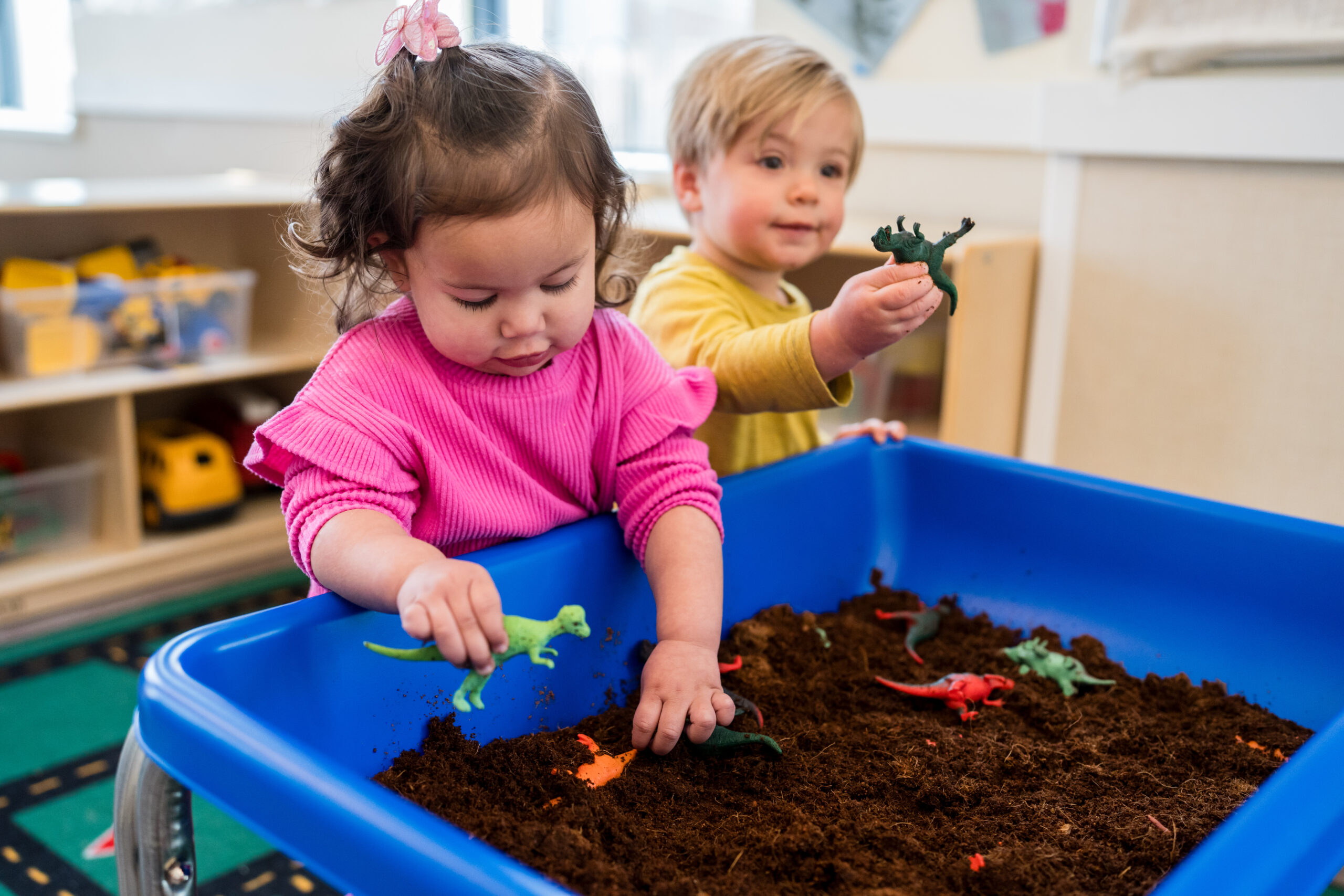
Around age two, children begin paying much more attention to the people around them. They may watch other children closely, imitate what they see, offer a toy, or begin participating in simple group activities. While parallel play remains very common, many children also start developing the early building blocks of friendship and cooperation
Just as important is their growing ability to express emotions, seek comfort from trusted adults, and begin recovering from small disappointments with support. These are all skills that continue to blossom in a nurturing preschool classroom where experienced teachers help children build confidence through everyday interactions.
“Parents sometimes think readiness means a child already knows how to do everything independently,” says Jessica Kim, School Director at The Gardner School of Manassas (VA). “What we see every day is that children grow through caring relationships, consistent routines, and opportunities to practice new skills. Curiosity, confidence, and a willingness to explore are wonderful signs that a child is ready to begin this next chapter.”
Daily Routines Help Children Feel Confident
Two-year-olds thrive when their days have a comfortable rhythm. Simple routines like washing hands before meals, putting belongings away, sitting for a short story, or transitioning between activities help children know what to expect and build a sense of security.
One detail that parents sometimes overlook is that classroom routines are designed to support independence, not simply keep the day organized. Small opportunities to make choices, help with classroom responsibilities, and practice self-care become important confidence builders throughout the preschool day.
Communication Looks Different at Every Stage
Language develops quickly during the second year of life, and every child communicates in their own unique way. Some children are chatting in short sentences, while others are expressing themselves through gestures, facial expressions, signs, or emerging words. All of these are valuable forms of communication.
In high-quality preschool classrooms, teachers intentionally build language throughout the day by asking open-ended questions, describing experiences, reading together, singing songs, and encouraging conversations during play. These everyday moments help children expand both vocabulary and confidence.
Preschool Is a Place to Keep Growing
Many parents wonder whether their child should master certain skills before starting preschool. The reality is that preschool exists to help children continue developing those skills in partnership with families. Learning to take turns, communicate with friends, follow routines, solve simple problems, and become more independent all happen gradually through caring guidance and daily practice.
Rather than asking whether a child has mastered every milestone, it can be helpful to ask whether they are curious, engaged, and ready for new experiences with caring adults by their side. Those qualities often provide the strongest foundation for a joyful preschool experience.
Helpful Resources for Parents
If you’re interested in learning more about toddler development and preschool readiness, these trusted organizations offer practical, parent-friendly information:
- HealthyChildren.org (American Academy of Pediatrics): Cognitive Development: Two-Year-Old article, and other developmental milestones, parenting guidance, and early learning resources.
- ZERO to THREE: Expert articles, like Tips on Playing with Babies and Toddlers, plus more resources on toddler development, social-emotional growth, routines, and learning through play.
Every Child’s Journey Is Unique
The early years are filled with remarkable growth, and every child reaches new milestones in their own time. A thoughtful preschool environment builds on the strengths children already have while helping them discover new abilities, friendships, and confidence along the way.
At The Gardner School, we believe learning begins with caring relationships, joyful discovery, and a true partnership with families. If you’re beginning to explore preschool for your two-year-old, we’d be honored to help you learn more about what this exciting next step can look like. Schedule a tour to experience our classrooms, meet our educators, and see how we help children build a strong foundation for all they will become.