Finding the right preschool is one of the biggest decisions families make during the early years. Beautiful classrooms, colorful artwork, and exciting playgrounds can certainly make a wonderful first impression. As you spend more time in a school, you’ll often discover that the qualities shaping a child’s experience every day are found in the people, routines, and relationships that bring the environment to life.
If you’re touring preschools or just beginning your search, here are seven signs that early childhood educators recognize as strong indicators of a high-quality preschool. The National Association for the Education of Young Children (NAEYC) also encourages families to look beyond facilities and consider the quality of teacher-child interactions, classroom experiences, and relationships when choosing a preschool.
Teachers Get Down at a Child’s Eye Level
One of the simplest signs of a nurturing classroom is how teachers interact with children. You’ll often see educators kneeling to make eye contact, listening carefully to a child’s ideas, and speaking with warmth and respect. These everyday interactions help children feel seen, safe, and confident while building the trusting relationships that support learning.
Research continues to show that responsive, caring relationships with teachers strengthen children’s social, emotional, and cognitive development. Those meaningful conversations throughout the day become the foundation for curiosity, communication, and confidence.
The Classroom Feels Calm, Engaged, and Purposeful
A high-quality preschool classroom doesn’t need to be perfectly quiet. Young children are naturally active, curious, and joyful. What often stands out is a sense of calm purpose where children are engaged in meaningful activities, teachers thoughtfully guide learning, and transitions happen with care.
Many parents notice this feeling without immediately knowing why. Calm, organized environments help children focus, build independence, and feel secure enough to explore new ideas. They also create opportunities for children to make choices, solve problems, and develop confidence throughout the day.
Children’s Work Tells Their Story
Take a look at the artwork displayed around the classroom. Do you see twenty identical crafts, or do you see children’s individual ideas, creativity, and personalities shining through? The answer can reveal a great deal about the school’s approach to learning.
When classrooms celebrate each child’s unique work, they demonstrate that creativity, problem-solving, and self-expression are valued. Open-ended experiences encourage children to think independently, experiment with new ideas, and take pride in what they create rather than simply following directions.
Children Are Encouraged to Do Things for Themselves
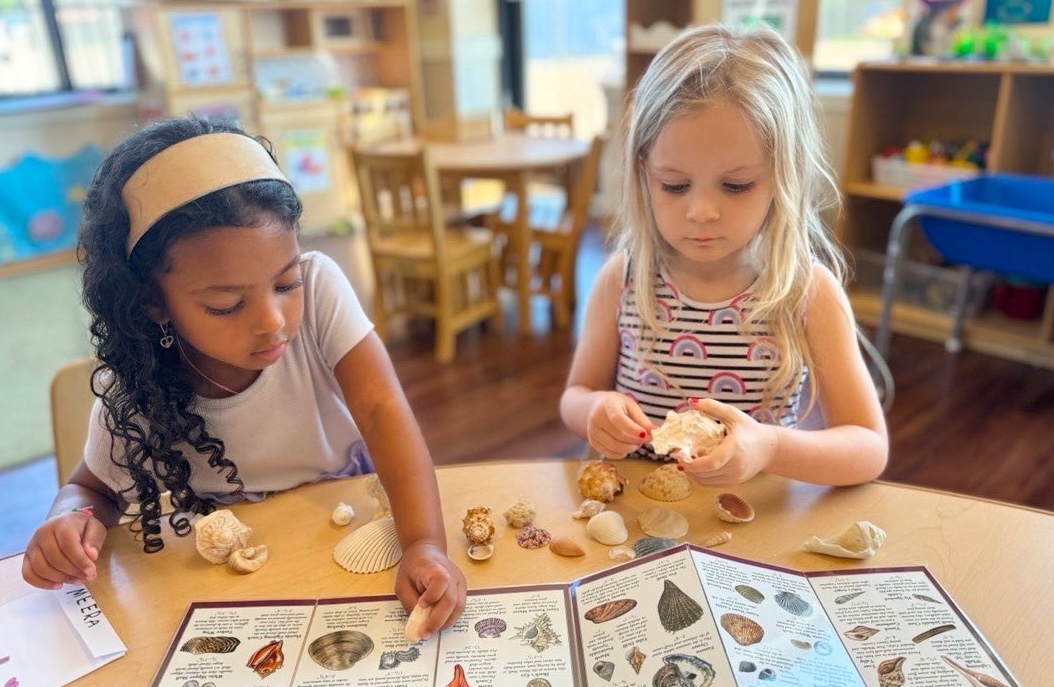
One of the greatest gifts preschool offers is the opportunity to build confidence through everyday independence. That journey begins much earlier than many parents realize. Even in infant and toddler classrooms, children are encouraged to make simple choices, explore their surroundings, and practice emerging skills with caring guidance. By the preschool years, you might notice children serving themselves at snack time, putting away materials, washing their hands, choosing activities, or helping care for their classroom community. These moments are intentionally designed to help children discover what they are capable of doing.
Parents are often delighted by how quickly confidence grows when children are trusted with age-appropriate responsibilities. These daily routines strengthen decision-making, responsibility, resilience, and self-confidence that extend well beyond the preschool years, creating a strong foundation for kindergarten and all they will become.
Teachers Ask Questions That Spark Thinking
Listen closely to classroom conversations during your tour. Instead of simply giving directions or asking questions with one correct answer, experienced educators often encourage children to think more deeply and share their ideas.
You might hear questions like:
- “What do you think will happen next?”
- “How did you build that?”
- “Can you think of another way to solve that problem?”
These conversations strengthen vocabulary, critical thinking, creativity, and confidence while helping children become active participants in their own learning. They also show children that their ideas are valued, which encourages a lifelong love of learning.
Families Feel Like Partners
High-quality preschools recognize that learning continues long after children leave the classroom. Teachers take time to build relationships with families, share meaningful observations, celebrate milestones, and communicate openly about each child’s growth. These conversations help parents feel connected to their child’s experiences throughout the day.
Parents often appreciate updates that go beyond photos by explaining what their child discovered, explored, or accomplished. Communication between families and educators is an important part of supporting children’s healthy development and early learning.
Joy Is Easy to Find
Perhaps the most important sign of all is one that can’t be measured on a checklist. As you walk through the school, notice how the children and teachers interact with one another. Do you hear laughter? Do children seem comfortable asking questions, exploring materials, and proudly sharing their discoveries?
Joy doesn’t mean every moment is perfect. It reflects a learning environment where children feel secure, respected, and excited to participate. Those positive experiences help build the confidence, resilience, and curiosity that support learning for years to come.
Trust What You See and What You Feel
Choosing a preschool is about finding a place where your child will feel known, encouraged, and inspired every day. Beautiful facilities certainly matter, but the strongest indicators of quality often appear in the everyday moments between teachers and children, the thoughtful routines that support independence, and the warm community that welcomes every family.
As you visit preschools, centers, and daycare programs, give yourself time to observe. Notice the conversations, the relationships, and the atmosphere. Those details often reveal far more than any brochure ever could.
At The Gardner School, we believe children thrive when they feel safe, supported, and inspired to explore. Every conversation, every classroom routine, and every caring relationship contributes to the strong foundation that helps children grow with confidence and curiosity, for all they will become.