

Many parents begin thinking about preschool with one big question in mind: Is my child ready? The question often brings a mix of excitement and reflection. Families picture their child in a classroom, making friends, exploring new activities, and beginning a new chapter of early childhood development.
When people talk about preschool readiness, it is easy to imagine a checklist of academic skills such as recognizing letters, sitting still during group time, or following instructions perfectly. Readiness for preschool is much broader and more personal for each child. Preschool is designed to support growth and discovery, meeting children where they are and helping them build confidence step by step.
A child is ready for preschool when they are starting to engage with others, show curiosity, and build confidence in new environments, while gradually becoming more comfortable with routines and simple expectations.
Signs a child may be ready for preschool include:
- Interest in interacting with other children
- Curiosity about new activities and environments
- Willingness to participate in group routines
- Growing independence in simple daily tasks
- Comfort separating from caregivers with support
Preschool Readiness Is About Development and Growth
Preschool programs are thoughtfully designed to nurture development rather than expect children to arrive with everything already mastered. The early years are filled with rapid growth in communication, curiosity, and independence, and a supportive preschool environment helps guide that progress in meaningful ways through friendships and teacher relationships.
Within a preschool classroom, children gradually become familiar with group routines, classroom expectations, and shared activities. Teachers guide transitions throughout the day and help children feel comfortable exploring new experiences. As children settle into these rhythms, they begin to feel a sense of belonging that makes learning feel natural and enjoyable.
This developmental approach allows children to grow socially, emotionally, and cognitively at their own pace while building the foundation for future learning.
“Parents often think preschool readiness means that a child has to know certain things before they start school,” says Jessica Nix, Executive School Director at The Gardner School of Dublin. “In reality, preschool is where children begin to build those skills with guidance, support, and encouragement from teachers and loved ones.”
Social and Emotional Growth Matter Most
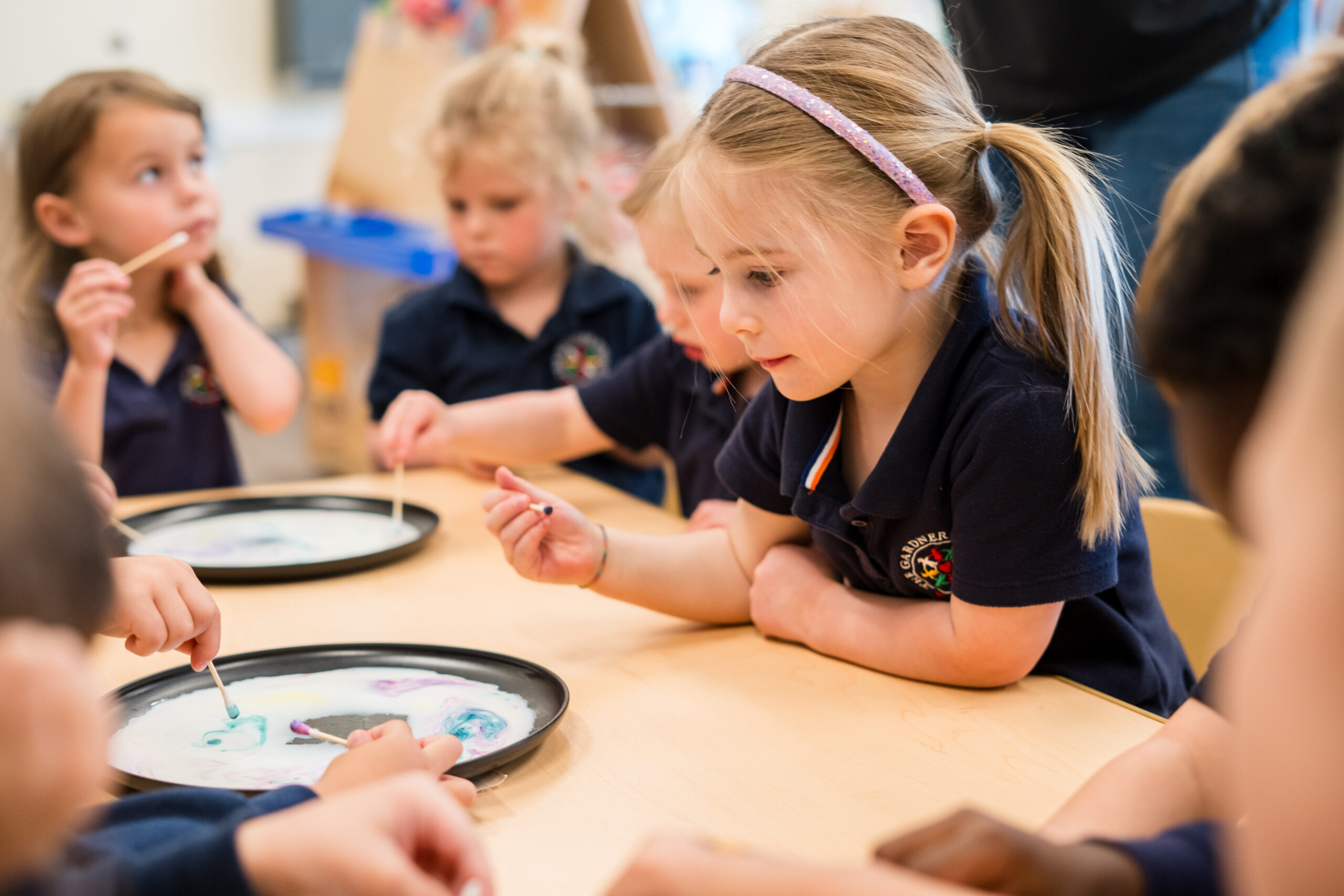
For many children, preschool may be the first regular experience in a group setting outside the home. These early classroom experiences provide opportunities to practice important social and emotional skills that support lifelong learning.
In preschool, children begin to explore how to:
- Take turns and cooperate during play
- Express ideas, needs, and feelings through language
- Participate in group activities such as circle time and storytelling
- Work through small challenges with encouragement from teachers
These experiences strengthen communication, empathy, and resilience. These are all essential preschool readiness skills that develop naturally through guided play and interaction. As children interact with peers, they learn how to share space, listen to others, and build friendships. These social experiences often become some of the most meaningful moments of early childhood.
Independence Happens Over Time
Parents often wonder how much independence their child needs before starting preschool. Classroom environments are intentionally designed to support children as they develop these skills naturally throughout the day.
Simple routines create opportunities for children to practice independence in a supportive setting. Hanging up a backpack, choosing materials during play, or helping clean up after an activity allows children to feel capable and proud of their contributions. Teachers guide these moments with patience and encouragement so that children experience success while building confidence.
Over time, these small accomplishments add up, helping children see themselves as capable learners and active participants in their classroom community, while supporting their readiness for preschool and kindergarten routines and expectations.
Growth Happens Quickly in a Supportive Preschool Environment
One of the most encouraging experiences families share is how much growth they observe after their child begins preschool. As children become familiar with classroom routines and relationships, many begin talking about new friends, favorite activities, and stories they heard during the day.
Parents often notice that children become more expressive, curious, and eager to share their ideas at home. These changes reflect the rich language, play, and social interaction that happen naturally within a preschool environment.
Why Readiness Looks Different for Every Child
Each child approaches preschool with their own personality, interests, and developmental timeline. Some children eagerly step into new experiences, while others appreciate a little time to observe before joining in. Both approaches are part of healthy development.
Preschool is designed to nurture readiness rather than measure it, supporting each child’s growth in a way that feels natural and encouraging. With supportive teachers, thoughtful routines, and engaging activities, children gradually build independence, confidence, and a love of learning.
At The Gardner School, our preschool classrooms are created to support children as they explore, connect, and grow through play and discovery. Teachers focus on building strong relationships with children and families so that each child feels welcomed and encouraged from the very beginning.
Families who are exploring preschool often find that visiting a classroom brings clarity and reassurance. Seeing children learning, playing, and interacting together can provide a helpful picture of how these early experiences support preschool readiness and kindergarten readiness
We invite you to explore our preschool programs or schedule a tour here to experience our classrooms and community firsthand.


