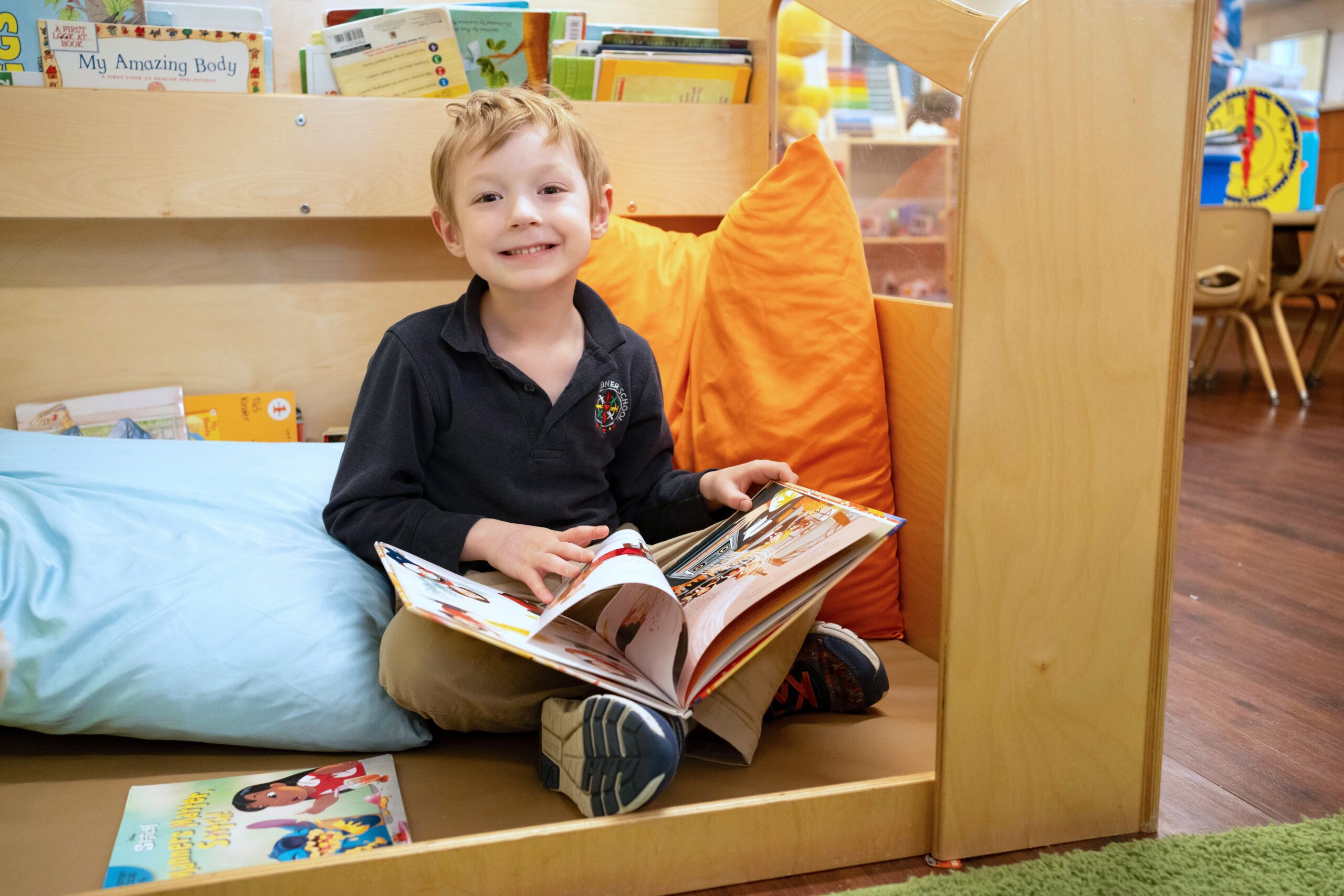
When the weather cools, home becomes a place of gathering and imagination. Blankets pile up, books call from the shelf, and little ones naturally search for corners to read, build, and pretend. Creating cozy spaces at home is more than decorating for comfort. It is shaping an environment that invites curiosity and calm, two ingredients that help children learn best.
Why Cozy Spaces Matter
A well-designed nook gives children a sense of ownership and safety. Early childhood experts at Zero to Three note that consistent, predictable spaces help children focus and self-regulate. A child who feels secure in their environment is more likely to take risks in learning. They try new words, explore textures, and share ideas with confidence.
Cozy environments also signal belonging. When children have a soft place to land after a busy day, they feel grounded and ready to explore again.
Fresh Ideas for Intentional Spaces
- Reading Nooks with Texture and Light
Layer soft rugs, a few pillows, and baskets of books at child height. Add gentle lighting, such as a small lamp or a string of warm lights, to create an inviting glow. Rotate books weekly to keep curiosity fresh. Including titles about friendship, kindness, or the changing seasons helps spark natural conversation. - Small-World or Imaginative Play Zones
Instead of a large playroom, designate one corner for focused storytelling. A small table with figures, blocks, or pretend props gives children a stage for imaginative problem-solving. Educators call this narrative play. Through storytelling, children develop language, empathy, and a sense of sequence. - Simple Sensory Spaces
Sensory play does not need to be messy or elaborate. A bin of kinetic sand, dry rice, or soft fabric scraps encourages tactile exploration and fine motor development. For a calming twist, add lavender sachets or smooth stones that appeal to multiple senses. - Nature Touchpoints Indoors
Bring in small natural elements such as pinecones, seashells, or leaves gathered from walks. These items help children connect the seasons indoors and develop observation skills. According to the National Association for the Education of Young Children (NAEYC), nature-based materials promote creativity and focus better than overly busy toys.
How The Gardner School Creates Cozy Learning Spaces
Every Gardner School classroom is designed to feel safe, beautiful, and purposeful. Teachers thoughtfully arrange soft corners for reading, calm colors for focus, and open spaces for movement and play. In many cozy areas, children can see photos of their families, a small reminder of home that helps them feel comforted and secure when they need a quiet moment. Our classrooms balance stimulation and serenity, helping children feel both energized and at ease.
Families often describe our schools as warm and home-like, and that is intentional. When a space feels calm and cared for, children open up, ready to learn, share, and grow. At The Gardner School, cozy is not just an aesthetic. It is an approach to learning that nurtures both heart and mind, for all they will become.