Summer opens the door to longer days, more movement, and endless opportunities for simple, creative play. The pace softens, routines shift, and suddenly there is a little more room for creativity, curiosity, and connection at home.
For families with young children, meaningful summer moments do not need to be complicated or perfectly planned. Some of the most engaging experiences come from simple materials, a bit of imagination, and the freedom to explore together. These everyday activities support early childhood development in natural ways, building language, problem-solving, social skills, and confidence through play.
Easy Ideas To Inspire Connection and Creativity This Summer
These activities are meant to feel flexible, simple, and easy to make your own. Some families may try one activity during a quiet afternoon at home, while others may spread them throughout the summer during weekends, evenings, or time outdoors. Whether you live in a city, spend time in the backyard, or bring these ideas along to a park or patio, small moments of creativity and connection can fit naturally into your family’s everyday rhythm.
Nature Color Hunt and Collage
Head outside with your child and look for colors in nature. You might collect green leaves, small flowers, sticks, or stones. When you come back inside, arrange them on paper to create a simple collage. This activity builds observation skills and early categorization while encouraging children to slow down and notice the world around them.
“Restaurant at Home” Dramatic Play
Set up a simple pretend restaurant using items you already have. A small table, a notepad, and a few favorite snacks can turn into a full experience. Your child can take orders, serve food, and even create a menu with drawings. Dramatic play supports language development, social skills, and confidence as children step into new roles and interactions.
Water Transfer Station
Fill a few containers with water and provide cups, spoons, or small pitchers. Let your child pour, scoop, and transfer water between containers at their own pace. This simple activity builds fine motor skills, coordination, and early problem-solving while offering a calming, sensory experience.
Family Story Basket
Gather a few familiar objects from around your home, such as a toy animal, a spoon, a small box, or a favorite book. Place them in a basket and invite your child to create a story using the items. You can take turns adding to the story or let your child lead the way. This encourages imagination, language development, and creative thinking.
Shadow Drawing Outside
On a sunny day, place a few toys outside and trace their shadows on paper. As the sun moves, come back and notice how the shapes have changed. This introduces early science concepts in a hands-on way while encouraging observation and curiosity.
“Build a Bridge” Challenge
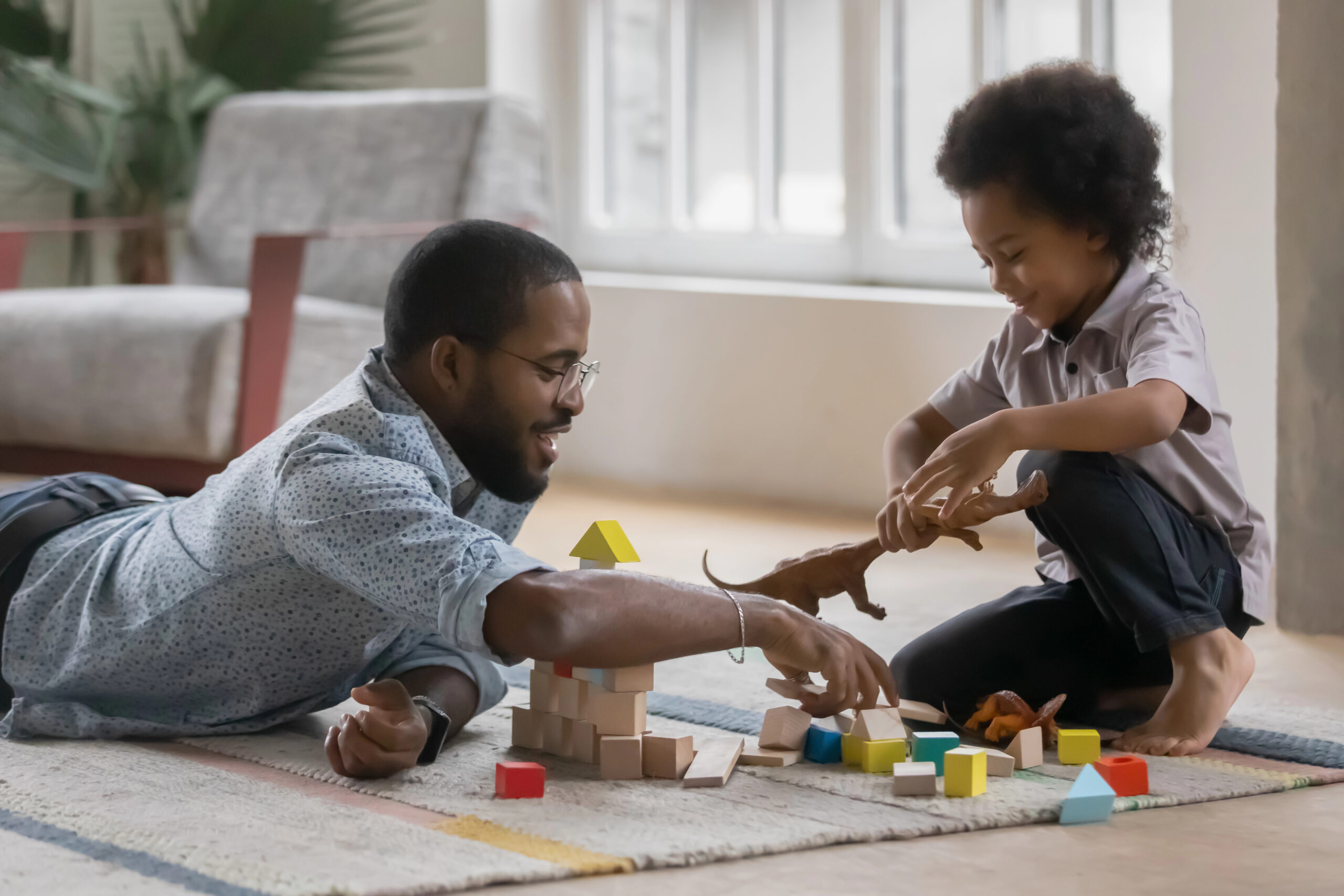
Using books, blocks, or household items, invite your child to build a bridge that can hold a small toy. You can explore different ways to make it stronger or longer together. This activity supports problem-solving, persistence, and early engineering thinking in a playful, low-pressure way.
“Mail Delivery” Around the House
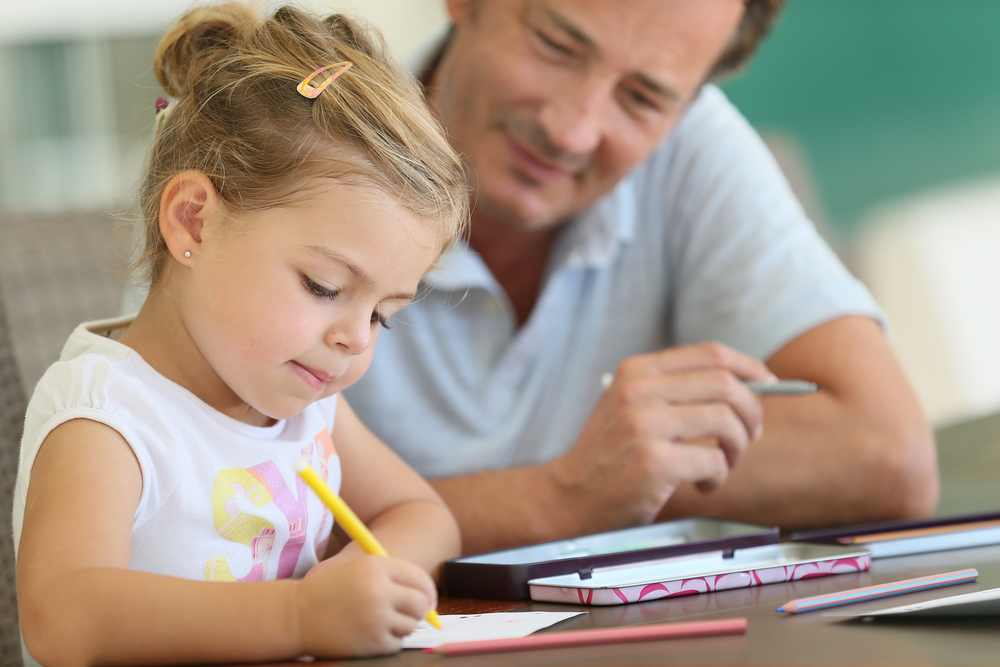
Create simple notes or drawings and place them in envelopes. Your child can deliver them to different rooms or family members, just like a mail carrier. This encourages movement, early literacy, and a sense of purpose as children take on a meaningful role.
Memory Walk and Reflection
After a walk around your neighborhood or yard, sit together and talk about what you saw. You might draw a picture, act it out, or retell the experience together. This helps children build memory, language, and storytelling skills while reinforcing connection and shared experiences.
How Everyday Play Builds Skills in Toddlers and Preschoolers
Play is one of the most powerful ways young children learn. Through simple, hands-on experiences, they begin to explore ideas, test their thinking, and connect with the world around them. These everyday moments create growth opportunities that feel natural, engaging, and meaningful.
Simple, play-based experiences like these are doing more than filling time. They are helping children make sense of the world around them in ways that feel engaging and meaningful. The National Association for the Education of Young Children (NAEYC) highlights that meaningful play supports creativity, problem-solving, and social development, all through experiences that feel natural to young children.
“Children learn best when they are immersed in experiences that spark curiosity and connection,” says Megan Olson, Executive Director of The Gardner School of Chicago – Bucktown (IL). “These simple moments of play allow them to explore ideas, build confidence, and develop skills that carry forward into every stage of learning.”
Building Connection and Creativity Through Summer Play
Summer does not need to be filled with elaborate plans to be meaningful. With a few simple materials and a bit of intention, everyday moments can become opportunities for learning, connection, and growth.
At The Gardner School, we believe these early experiences matter deeply. Whether in the classroom or at home, it is the small, thoughtful moments that help children build confidence, curiosity, and a love of learning that lasts well beyond the season.