

Schedules, routines, habits, and activities all serve to help us prioritize what’s most important to do during the day. As an adult, you may have a schedule of work, play, exercise, food preparation and eating, rest, chores, and time with family and friends. Even though preschoolers are little, they can also benefit from a daily plan that includes a variety of activities and learning opportunities.
If you’re looking to set a schedule for your preschooler during the summer, we suggest including the following elements in your planning. Remember: the most important part of a daily schedule is that it’s flexible and responsive. Don’t be afraid to completely change things according to you and your child’s needs, desires, and energy that day.
Run, Jump, and Play!
Physical movement, ideally outside, is one of the most important parts of your preschooler’s day. Not only are they honing gross motor skills, they’re also engaged in complex problem-solving activities that help their brains grow, change, and adapt. Physical movement has also been linked to memory retention, synapse building, and emotional equilibrium. Encourage your child to express themselves physically on a daily basis!
Clean Their Space
Including your child in daily household chores is a wonderful way to teach personal responsibility. By the time they are in preschool, most children can dust, wipe, sweep, put away toys and clothes, and help with food preparation and clean-up. A chore chart can be a helpful tool for reminding children of daily tasks. Above all, make your approach to chores fun! Play music, make it a game, or reward cleaning with a high-value privilege.
Play with a Peer
Social interaction is essential for little ones to learn turn-taking, sharing, negotiation, and the joy of community. Giving your child the opportunity to interact with other children will help strengthen their social skills, helping them to build strong friendships. Consider adding an artistic element to your child’s playtime. Playing music, building an object, making a craft, or playing with art supplies can enhance interest in play and encourage teamwork.
Listen to a Story
Reading books together should be a daily part of each preschooler’s routine. Thousands of peer-reviewed studies have tracked the power of reading together daily. Your preschooler can learn letter and sound recognition, narrative structure, problem-solving, and more. Reading also provides a quiet moment in your child’s day when they can snuggle up close to you and listen to a great story. Whether you read books together when your preschooler wakes up, after a nap, or before your little one heads to bed, you’re giving them a firm foundation in literacy.
Practice Self-Care Tasks
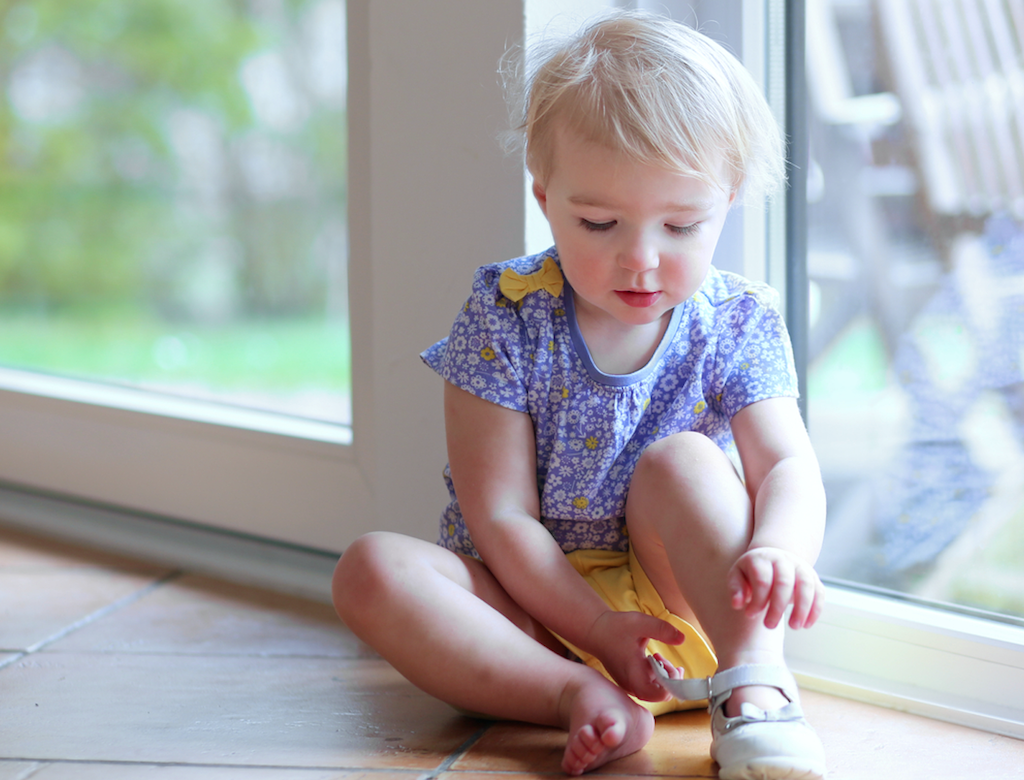
Bathing, brushing teeth, and putting on clothes are important tasks that your preschooler is excited to master. Choose a child’s toothbrush and child-safe toothpaste for daily brushing, since some toothpaste may be swallowed in the early years. At this age, teeth brushing should be focused on creating the habit, rather than seeking perfection. One your child starts growing permanent teeth, you can focus a little more closely on technique. For dressing, choose shoes and clothes that are easy for little hands to put on and fasten.
Practice Gratitude
The most important part of a child’s day occurs when they feel appreciated, cherished, and cared for. It’s always a good idea to share your love with your children. You can make this a part of your family routine by adding a “moment of gratitude” before or after the evening meal is served. Take a moment to share your appreciation for each other as a family, pointing out specific moments in the day when each person felt thankful for another family member.
Preparing Preschoolers for Kindergarten and Beyond
We structure each day at the Gardner School around research-backed activities and approaches that help kids learn. Contact us today to learn more, or check out our virtual tours on our website for The Gardner School nearest you.