Building connection through everyday moments that already exist in your day
Staying connected with your child does not require more time; it happens in small, everyday moments. Simple interactions during routines like drop-off, meals, and bedtime support early childhood development and help children feel secure, known, and supported.
Most days move quickly. Mornings are full, schedules are layered, and before you know it, you are moving from one part of the day to the next quickly. Connection does not have to be something extra you add. It is often already there, in the small moments that happen naturally throughout your routine. When those moments are noticed and shared, they become something more meaningful.
Why Small Moments of Connection Matter in Early Childhood
In early childhood, connection is not built through big, planned experiences. It grows through consistency, familiarity, and small interactions that happen throughout the day. These moments support early childhood development by helping children feel emotionally secure, build language and communication skills, and develop confidence in relationships. When children feel connected, they carry that sense of security with them into their preschool or childcare environment.
As Dayna Briggs, Executive School Director of The Gardner School of Central Park (CO), shares,
“With young children, connection often shows up in very small ways, a child reaching for your hand, looking back to make sure you’re still there, or wanting to share something they noticed. Those moments might feel quick, but they’re how children build trust and confidence to move through their day.”
How to Stay Connected with Your Child During Everyday Routines
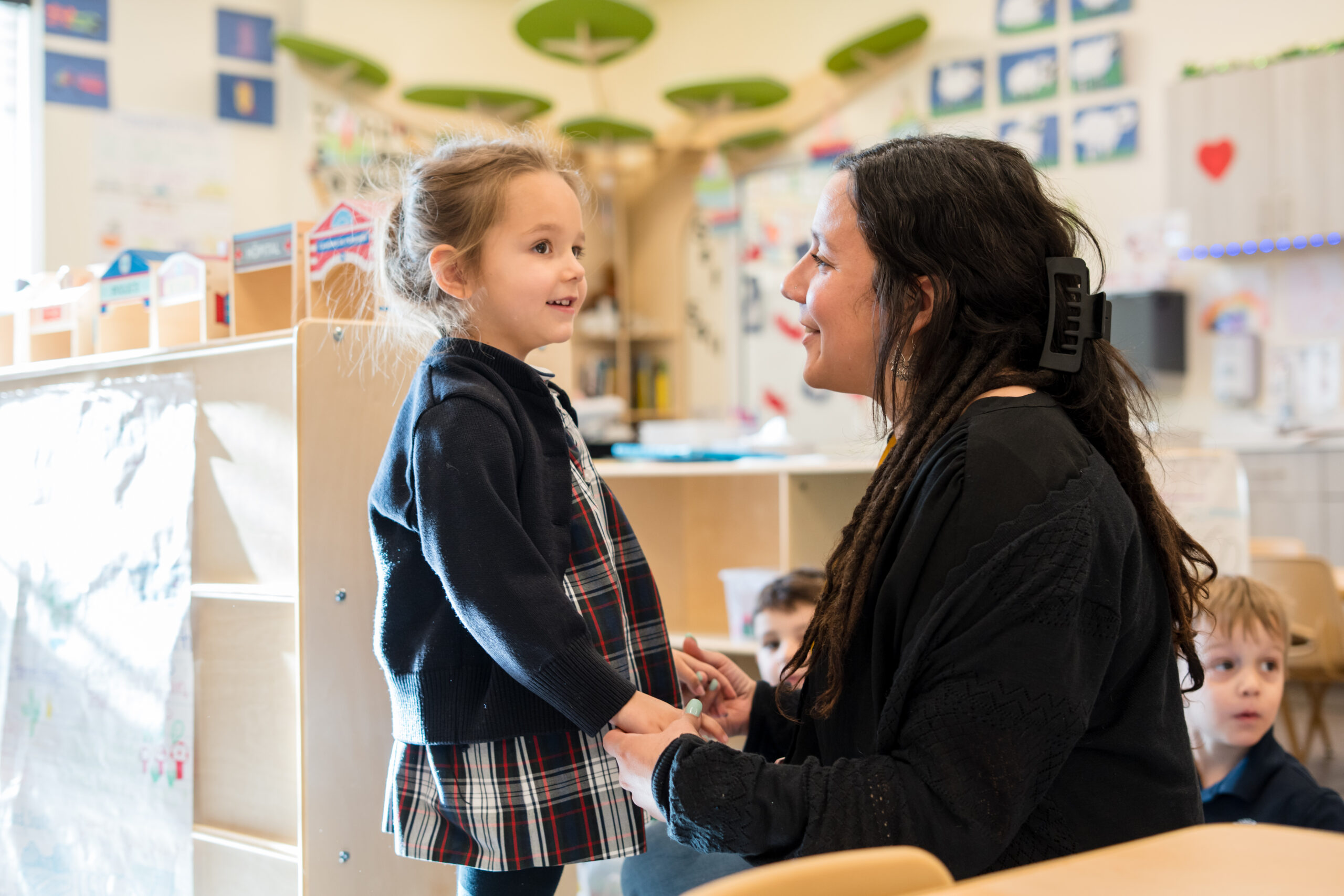
- Make the most of morning hellos and goodbyes: The beginning of the day sets the tone. Even a moment of connection can help your child feel grounded as they transition into their preschool day. A calm goodbye, a familiar phrase, or a short moment of eye contact can create consistency and reassurance. Children often return to these small routines because they know what to expect, and that predictability helps them feel secure.
- Use car time for simple conversation: Car rides are one of the easiest opportunities for connection because there are fewer distractions and no pressure to maintain eye contact. You might ask about one favorite part of their day, sing a familiar song, or have a quick “car dance” at a stoplight. Sometimes children open up more when they are not being directly looked at, which makes these moments feel easier and more natural. These small interactions support language development and give children space to share at their own pace.
- Invite your child into everyday tasks: Preparing dinner, setting the table, feeding a pet, or getting ready for the next day can all become shared experiences. Children often feel most connected when they are included. Letting them help stir, carry, or choose something small builds independence while also creating a natural opportunity for conversation.
- Create a familiar rhythm at bedtime: Bedtime routines are one of the most consistent opportunities for connection. Reading a book, talking about the day, or sharing a quiet moment together helps children feel calm and supported. These predictable routines also support emotional regulation and help children transition into rest more easily.
- Take small moments outside when you can: A short walk, even just a few minutes, can create space to reconnect at the end of the day. And it does not have to be a full outing. Stepping onto the porch, sitting in the backyard, or simply getting a bit of fresh air together can offer the same shift. There is no need for a plan. Let your child lead, notice what they notice, and enjoy the change of pace together. These moments often feel different from the rest of the day and can naturally open up conversation.
What Many Parents Don’t Realize About Connection
Connection with your child is not about doing more. It is about noticing what is already happening throughout your day. Children do not measure connection in time or activities. They feel it in presence, attention, and shared moments. Even brief, consistent interactions during everyday routines, like getting ready in the morning, reflecting on an activity, driving to preschool, or preparing dinner, can have a meaningful impact on parent-child connection.
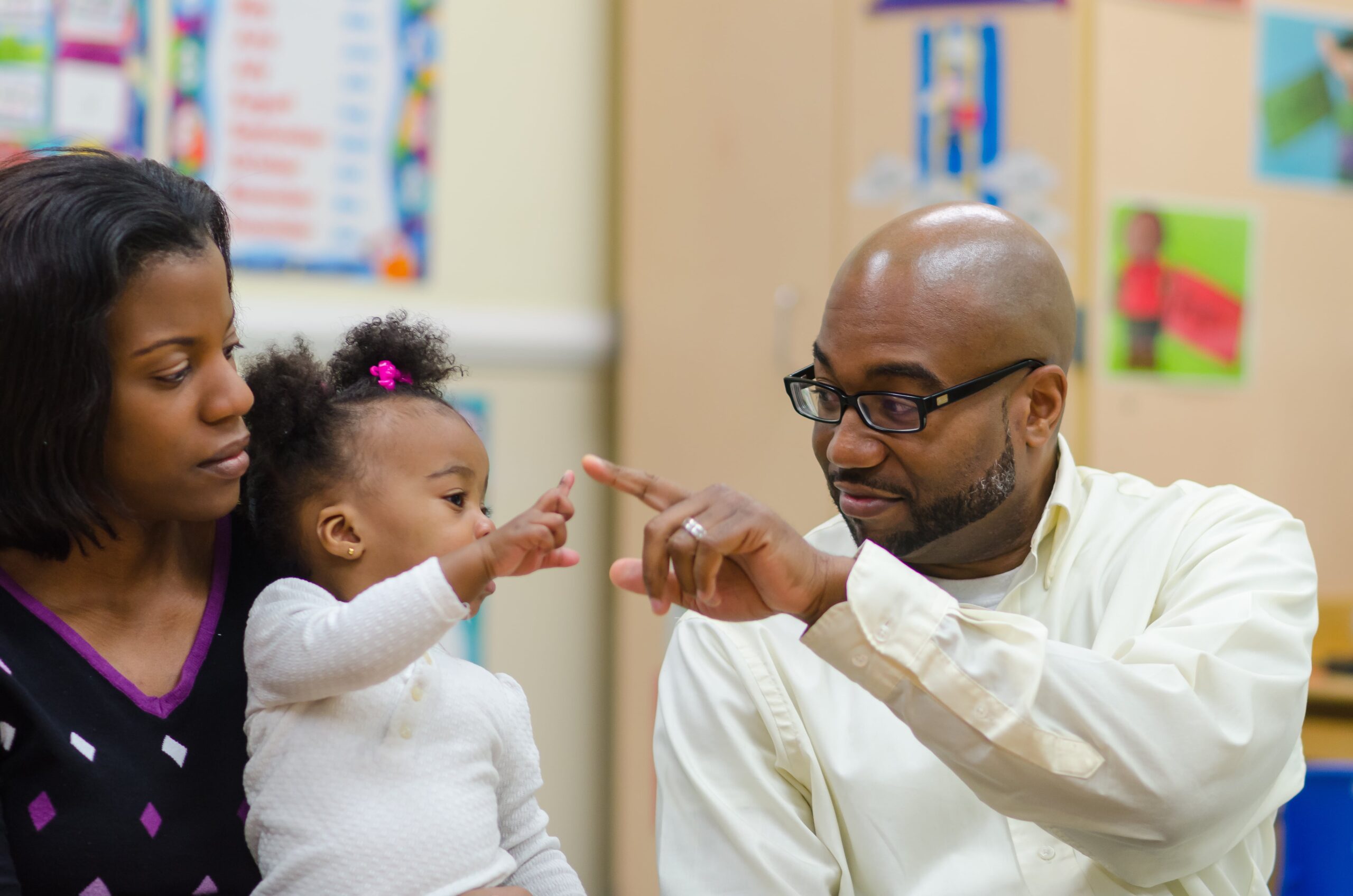
These small moments also play an important role in early childhood development, helping children feel secure, understood, and confident as they move between home and their preschool or childcare environment. Research from the Harvard Center on the Developing Child describes these interactions as “serve and return,” where simple back-and-forth moments between a child and caregiver help build strong foundations for learning and relationships. When connection is built into familiar routines, children begin to expect it, rely on it, and carry that sense of belonging with them into their day. Over time, these simple interactions help strengthen communication, relationships, and a child’s overall sense of well-being.
Connection Builds Confidence Over Time
When children feel connected at home, they carry that sense of security with them into their preschool or childcare environment. That confidence shows up in how they approach new experiences, build relationships with teachers and peers, show emotions like gratitude, and engage in learning.
At The Gardner School, we see every day how strong connections at home and at preschool work together to support a child’s growth. Parents and educators are partners in this process, each small moment contributing to something bigger over time.
If you would like to learn more about how our programs support early childhood development and build strong relationships with families, we invite you to explore our website or schedule a tour.