

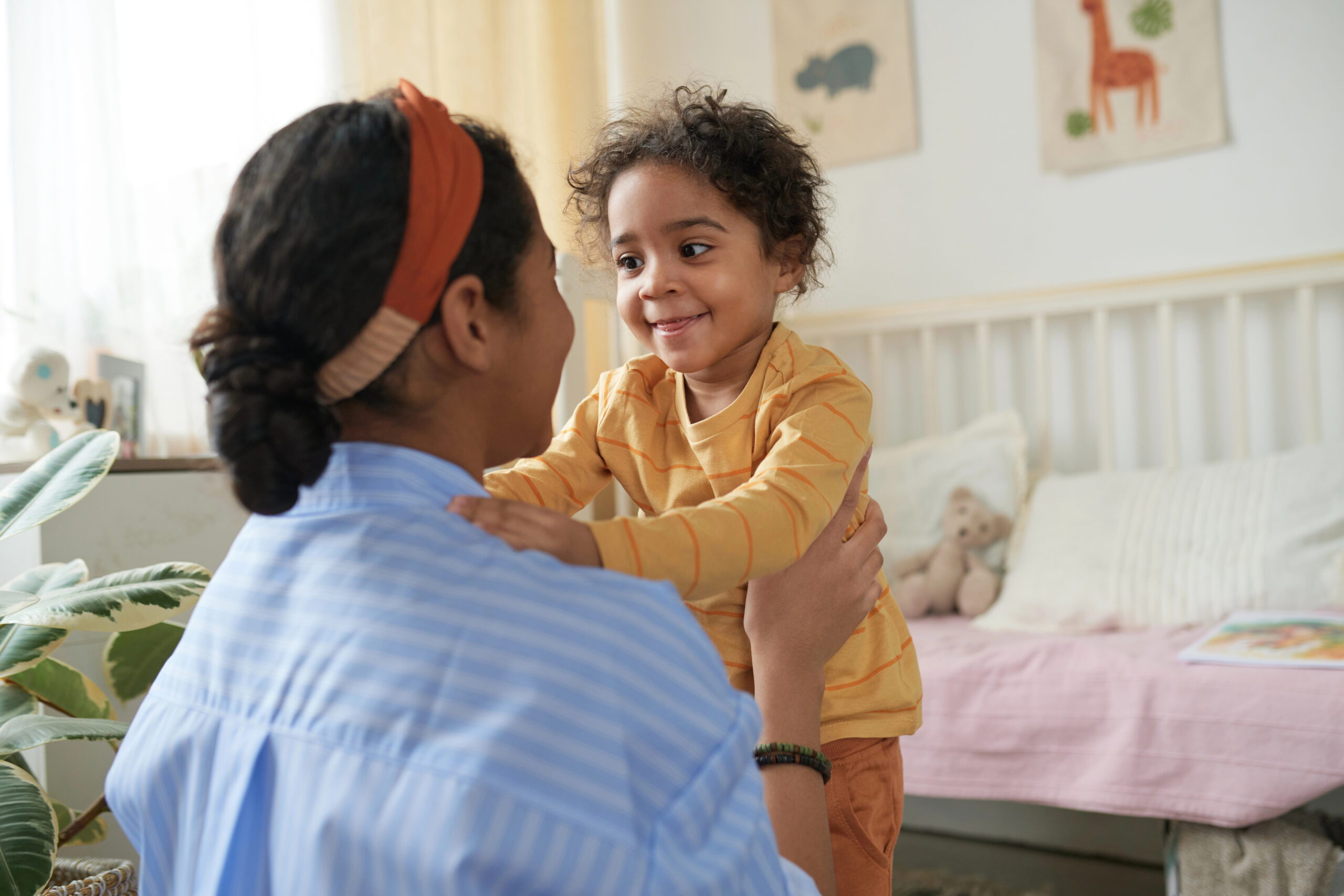
Life with young children is full of exciting milestones, busy schedules, and everyday moments that shape family life. Whether you’re welcoming a new baby, starting preschool, settling into a new home, or simply looking for more rhythm in your days, consistent family routines can help everyone feel more connected.
For young children, routines do much more than keep the day moving. Predictable moments help children develop confidence, independence, emotional security, and a sense of belonging. Those simple, repeated experiences become the foundation for learning, relationships, and resilience.
Here are four family routines that support healthy early childhood development while making everyday life feel a little more joyful.
1. Create Calm, Connected Mornings
The way a morning begins often sets the tone for the rest of the day. Children thrive when mornings feel predictable, allowing them to know what comes next and giving them opportunities to practice independence.
Simple routines like getting dressed, eating breakfast together, brushing teeth, and putting on shoes in the same order each morning create a sense of familiarity. Giving your child small responsibilities, such as carrying their backpack or choosing between two outfits, also builds confidence and decision-making skills.
If your schedule allows, leave a few extra minutes before heading out the door. Reading one short book, sharing a hug, or talking about what your child is looking forward to helps strengthen connection before the day begins.
2. Choose Child Care That Extends Your Family’s Routine
Children benefit when home and school work together to create a consistent experience. As you explore preschool or child care options, ask about the daily rhythm children experience throughout the day.
Look for a balanced schedule that includes purposeful learning, outdoor play, creative exploration, quiet moments, and opportunities for children to build independence. Daily routines like shared meals, classroom responsibilities, and transitions between activities help children develop confidence while creating a comforting sense of predictability.
One question parents don’t always think to ask is how teachers help children move from one activity to another. Experienced early childhood educators know that thoughtful transitions, whether it’s cleaning up before lunch or preparing for rest time, are important moments that help children develop self-regulation and flexibility.
3. Make Mealtimes a Time for Connection
Family meals offer more than nourishment. They provide opportunities to slow down, reconnect, and strengthen communication after a busy day.
Many families enjoy asking simple questions around the table, such as:
- What made you smile today?
- What did you discover today?
- Who helped you today?
- What are you excited about tomorrow?
These conversations naturally encourage language development, gratitude, emotional awareness, and confidence as children learn to express themselves and listen to others.
4. End the Day With a Predictable Bedtime Routine
A consistent bedtime routine helps children recognize that it’s time to slow down, making it easier to settle in for a restful night’s sleep. Research from the American Academy of Pediatrics continues to show that consistent bedtime routines support healthy sleep habits, which play an important role in children’s learning, mood, and overall well-being.
A simple routine might include a bath, pajamas, brushing teeth, reading together, and saying goodnight in the same order each evening. Soft lighting, calming music, or white noise can also create an environment that helps children relax.
One strategy many early childhood educators recommend is to give children gentle reminders before bedtime. Letting them know they have “five more minutes before story time” helps children transition more smoothly because they know what to expect.
Small Routines Create Lasting Confidence
The routines children experience today become the building blocks for tomorrow. They help children feel secure enough to explore new ideas, build friendships, solve problems, and approach each day with growing confidence.
At The Gardner School, thoughtful daily routines are part of every classroom. From welcoming morning greetings to purposeful learning experiences, outdoor exploration, shared meals, and meaningful connections with caring teachers, every part of the day is designed to help children feel safe, supported, and excited to learn. Together with families, we’re helping children build the confidence and curiosity they’ll carry into kindergarten and beyond, for all they will become.