The preschool years are filled with exciting firsts. First friendships. First group games. First opportunities to solve a disagreement, comfort a classmate, or proudly invite someone to play. These everyday moments may seem small, yet they help shape skills children will use for the rest of their lives.
When parents think about preschool, it’s natural to picture letters, numbers, art projects, and story time. Equally important is the social learning happening throughout the day. Every conversation, shared activity, and caring interaction helps children build confidence, communication skills, empathy, and the ability to work with others. These experiences become part of the strong foundation that supports learning both inside and outside the classroom.
Friendship Is Something Children Learn Every Day
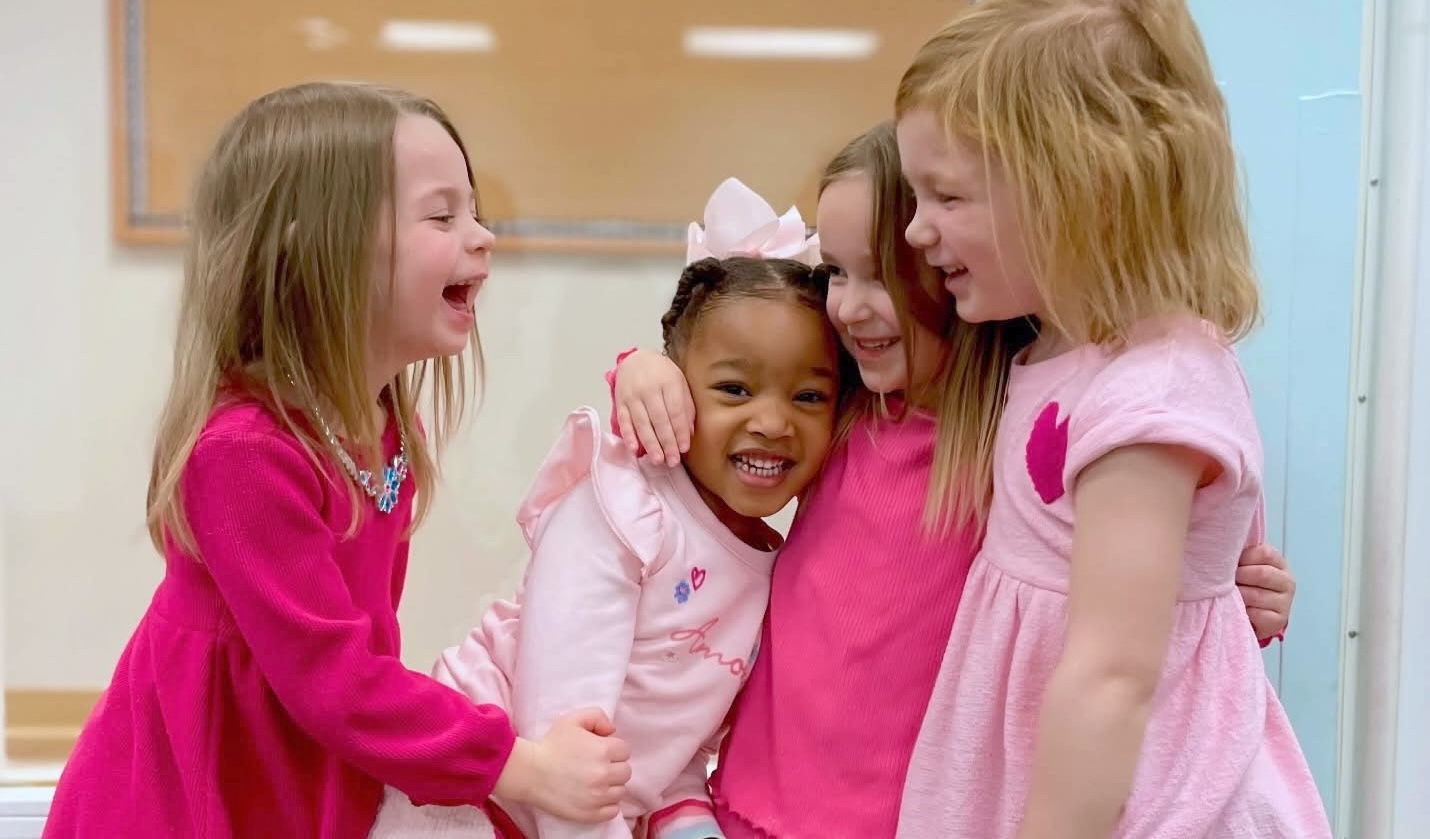
Making friends doesn’t happen all at once. Young children are learning how to introduce themselves, join a game, take turns, listen to another child’s ideas, and recognize how someone else may be feeling. These skills grow through practice and caring guidance.
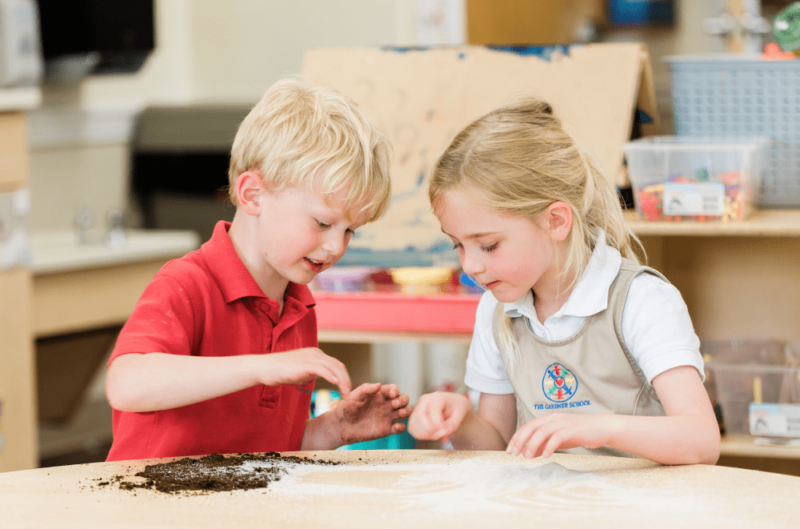
Early childhood educators intentionally create opportunities for children to work together throughout the day. Building a block tower, creating artwork side by side, exploring outdoors, or working together to clean up all become opportunities to strengthen communication, cooperation, and friendship.
Sharing Is About More Than Taking Turns
One of the biggest surprises for parents is discovering that sharing is not simply a lesson about passing a toy to someone else. It begins with helping children understand that everyone has ideas, feelings, and needs that matter.
Teachers guide these moments with calm encouragement by helping children use words to express themselves, solve simple problems together, and discover solutions that feel fair. Over time, children begin developing patience, flexibility, and empathy while learning that working together can be just as rewarding as playing independently.
Confidence Grows Through Caring Relationships
Children build confidence when they know they are safe, supported, and encouraged to try something new. Every warm greeting, thoughtful conversation, and celebration of a small accomplishment helps children develop the courage to explore, ask questions, and keep trying.
Strong teacher-child relationships are one of the most powerful predictors of positive early learning experiences. When children feel known and valued, they are more likely to participate, build friendships, and approach new challenges with confidence.
Teachers Help Children Solve Problems Together
Disagreements are a natural part of childhood, and they often become valuable learning opportunities. Rather than immediately solving every challenge for children, experienced educators guide conversations that help children express their feelings, listen to one another, and work toward a solution together.
These everyday moments strengthen communication, emotional regulation, and problem-solving skills. Children begin learning that their voices matter, that other perspectives are important, and that challenges can often be worked through with kindness and support.
Play Builds Social Skills in Powerful Ways
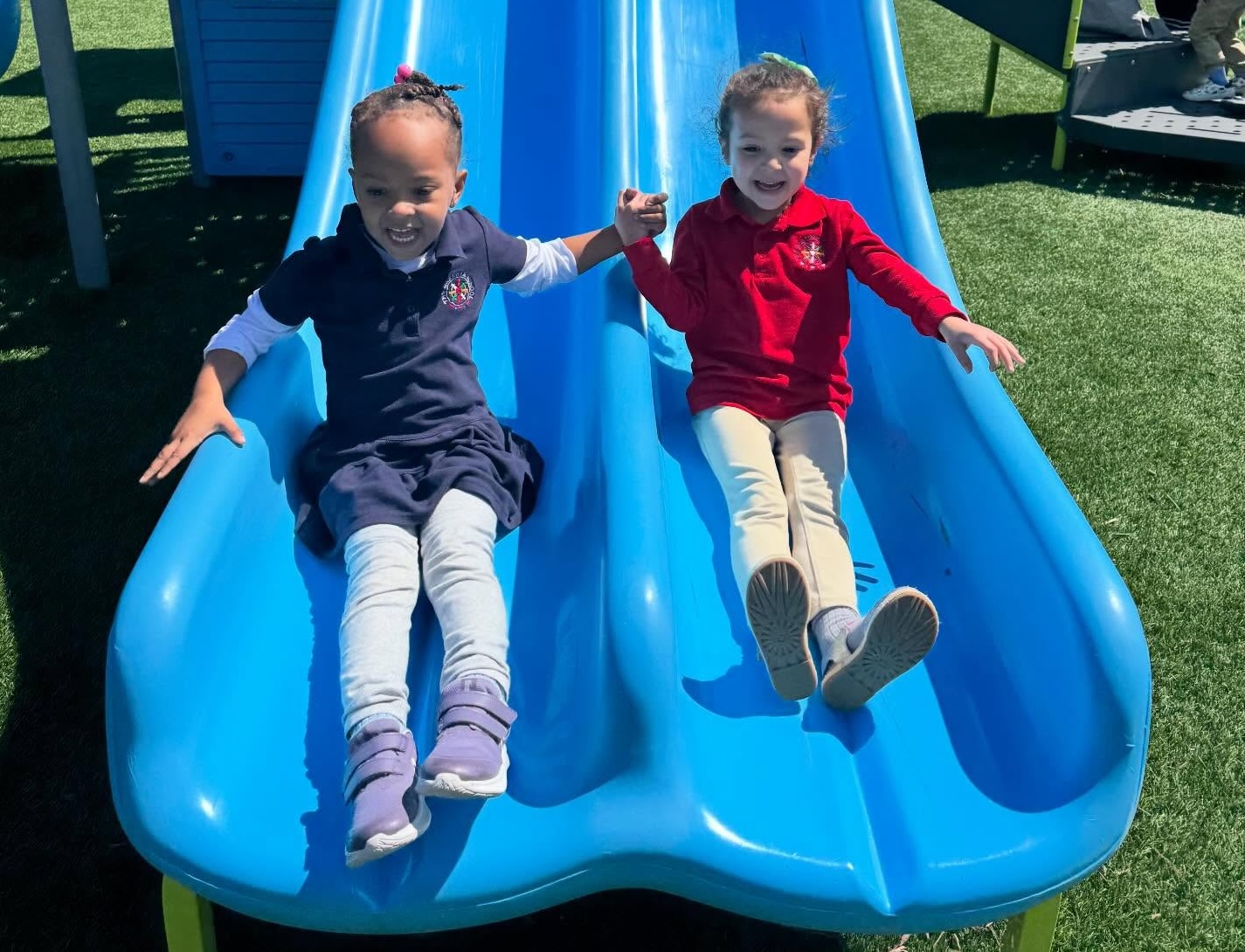
Much of children’s social learning happens during play. Whether they are pretending to run a restaurant, building a neighborhood with blocks, or caring for baby dolls together, children are practicing cooperation, communication, creativity, and flexible thinking.
NAEYC shares that thoughtfully designed play experiences help children develop friendships, work together, and build the social skills they’ll use throughout life. Their article, “Talking with Parents About Play and Learning,” offers a helpful look at why play is one of the most important ways preschoolers learn and grow.
Families and Teachers Work Together
Social growth doesn’t begin or end at preschool. Children benefit most when families and teachers work together to celebrate new friendships, encourage independence, and help children navigate everyday experiences with confidence. Those consistent messages at home and school help children feel secure as they build relationships with others.
If you’re looking for simple ways to encourage friendships beyond the classroom, HealthyChildren.org, a parent resource from the American Academy of Pediatrics, offers a helpful article, “What Parents Can Do to Support Friendships.“ It shares practical, age-appropriate ideas for helping young children build positive relationships, develop empathy, and practice the social skills they’ll use throughout childhood.
Small Moments Create Lifelong Skills
The preschool years are about so much more than preparing for kindergarten. They are about helping children discover who they are, how they relate to others, and how to navigate the world with confidence and kindness.
At The Gardner School, we believe some of the most meaningful learning happens through caring relationships, joyful play, and everyday interactions that help children build confidence, friendship, empathy, and resilience. Those small moments become the foundation for lifelong learning and for all they will become.