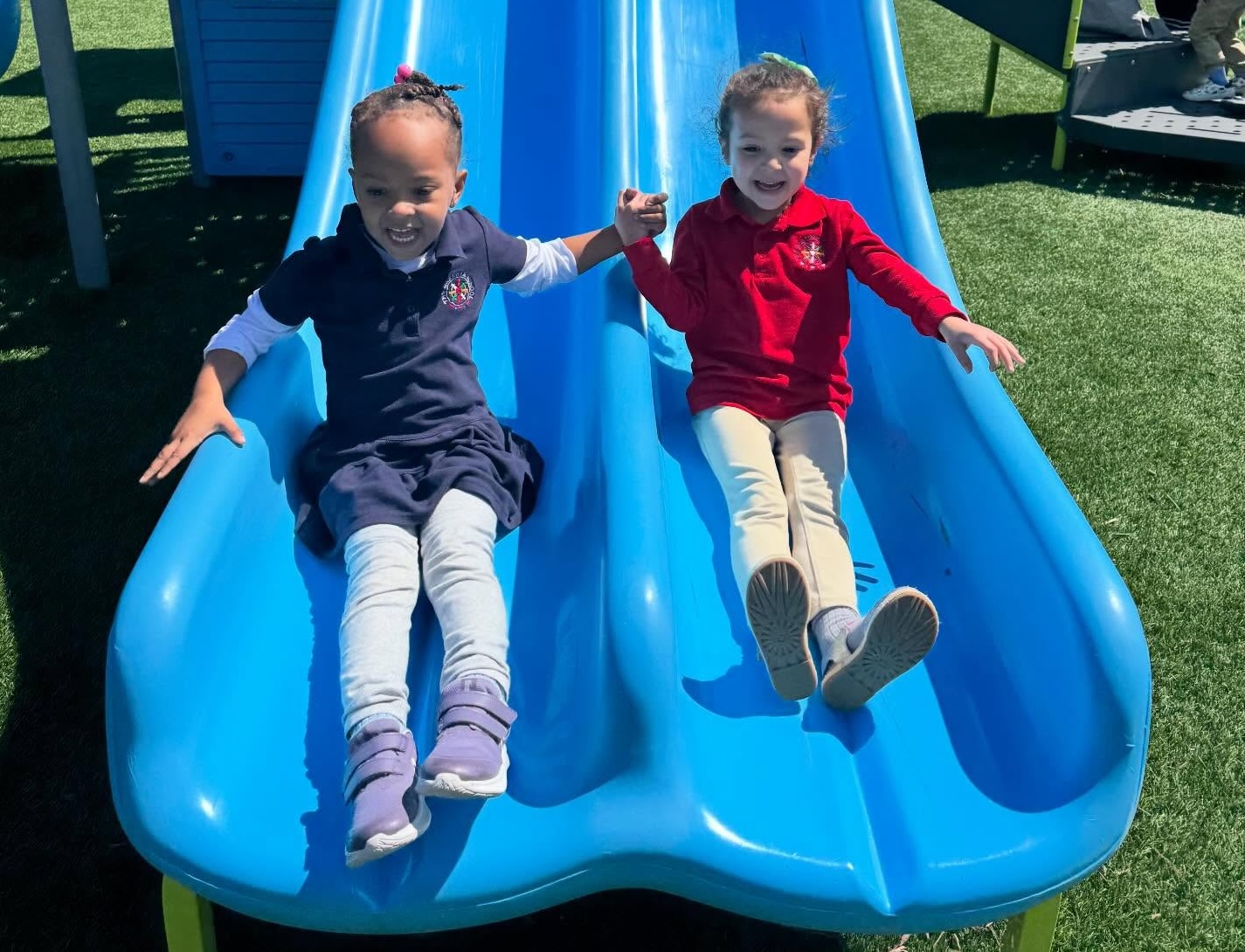
If you’ve ever watched a group of young children play, you’ve probably noticed something fascinating. One moment they are playing near each other, and before long they are laughing, sharing ideas, and forming real friendships.
Between ages 2 and 5, social development grows quickly and meaningfully. These early years shape how children communicate, build relationships, and begin to understand others. It is not about teaching children to “be social.” It is about giving them the space, support, and experiences to grow into it naturally.
What Social Development Really Looks Like in Early Childhood
Social skills in early childhood development are not a checklist. They unfold in layers, often in small, easy-to-miss moments. You might see:
- A toddler watching another child closely before joining in
- A preschooler offering a toy without being asked
- Two children solving a small conflict with words instead of tears
These moments matter. They show children beginning to understand connection, empathy, and communication.
“Social growth doesn’t happen all at once,” says Shanti Cooper, Executive School Director of The Gardner School of Lincoln Park (IL). “It builds in small, meaningful moments, when a child learns to wait, to listen, to try again with a friend. Over time, those moments shape the confidence they carry into every new relationship.”
Ages 2–3: Learning to Be Together
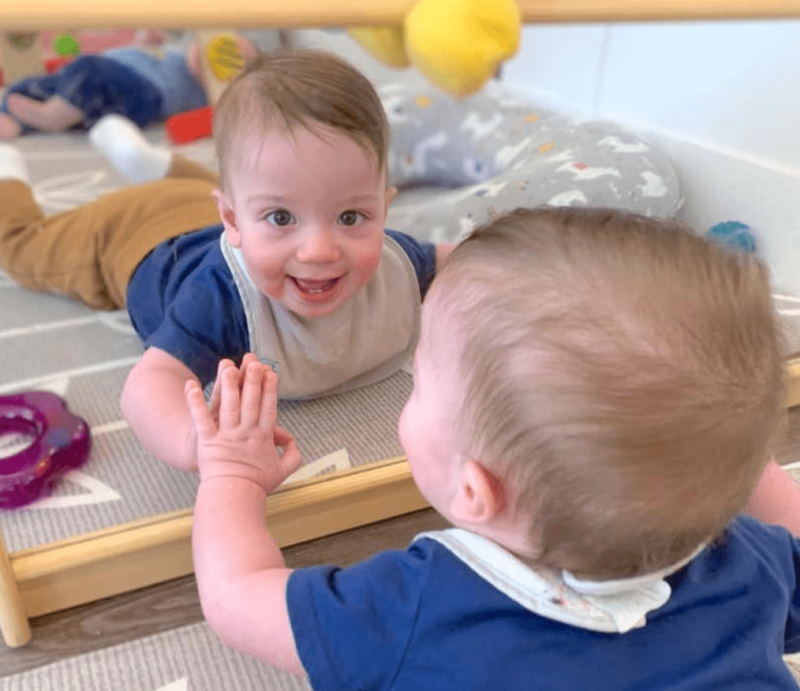
At this stage, children are often described as playing “side by side.” This is called parallel play, and it is exactly where they should be. Children are:
- Observing how others play
- Noticing emotions and reactions
- Practicing early communication through gestures and simple language
It may look like they are not interacting much, but they are learning a great deal just by being near others. A helpful insight from early childhood experts at Zero to Three is that young children build social understanding through repeated, simple interactions over time. These early observations and actions lay the groundwork for future friendships.
Ages 3–4: Finding Their Voice
As children move into preschool years, something shifts. They begin to engage more directly with peers.
You might notice:
- Simple conversations during play
- Early turn-taking, even if it is not perfect
- Big feelings as they learn to navigate sharing and waiting
This stage often includes moments of frustration alongside growth. That is part of the process. Children are learning how to express themselves while also beginning to understand others.
Ages 4–5: Building Real Friendships
By the time children reach Pre-K, their social world expands in meaningful ways. They are:
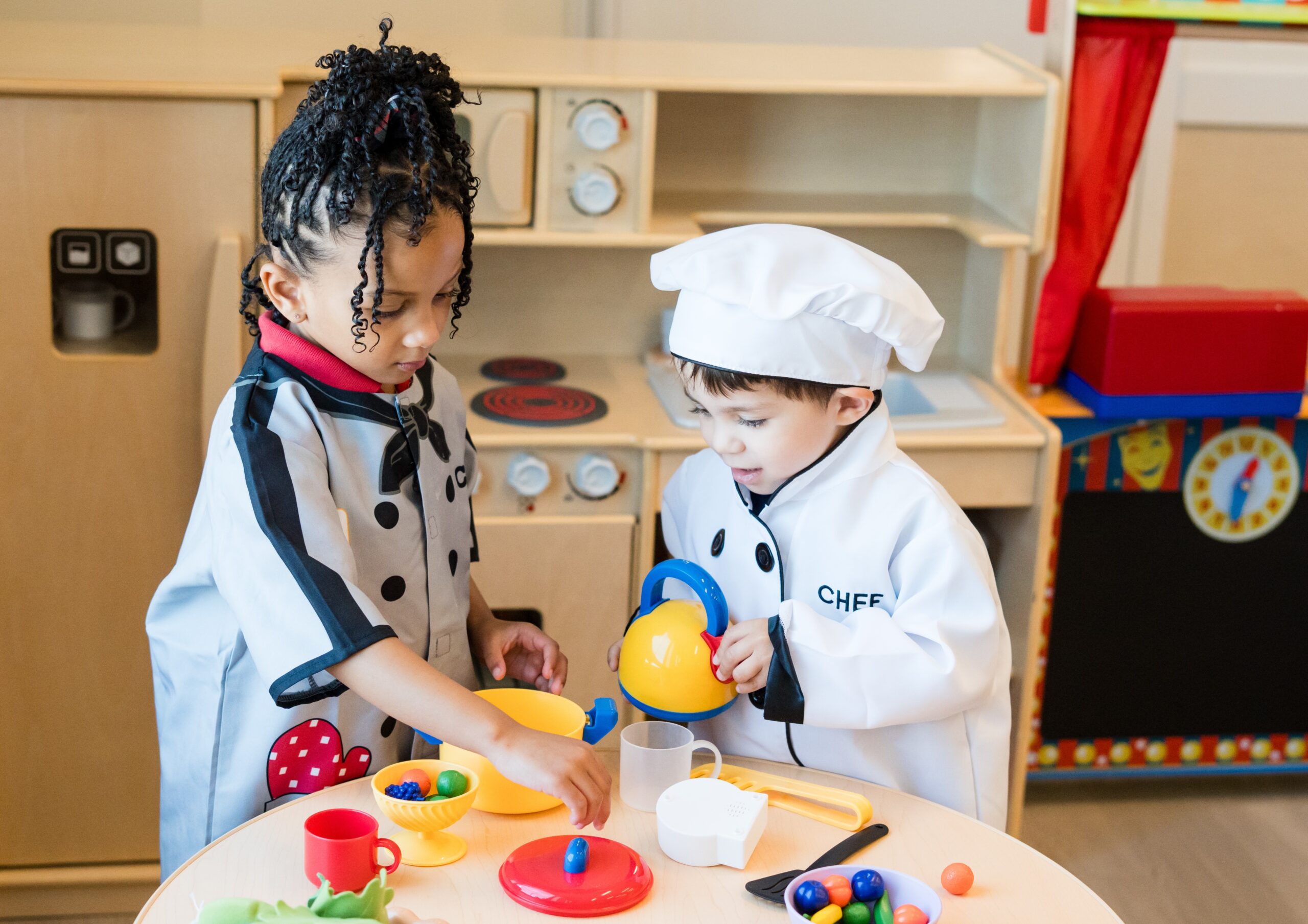
- Creating shared stories and imaginative play
- Showing empathy when a friend is upset
- Working together toward a common goal
Friendships begin to feel more real and lasting. Children take pride in being part of a group and start to see themselves as a friend to others. Play becomes more collaborative during the preschool years, especially in activities like building, storytelling, and imaginative games. As children work together, they practice communication, problem-solving, and flexibility in real time.
Research from the National Association for the Education of Young Children (NAEYC) highlights how experiences like block play help children develop cooperation, language skills, and shared problem-solving skills that naturally support social growth.
How a Thoughtful Environment Makes a Difference
Children build social skills best in environments where they feel safe, supported, and known. When they trust the adults around them, they are more willing to take small social risks, like joining a group or expressing how they feel.
Consistent routines, caring teachers, and opportunities for shared experiences all help children feel that sense of belonging. From there, the connection grows naturally.
At The Gardner School, we see these moments unfold every day. A child who once played quietly nearby begins to invite a friend into their game. A hesitant voice becomes more confident. A small interaction turns into a meaningful friendship. These are the moments that matter. And they are the foundation for all they will become.