Three is a milestone year for young learners. Many parents begin searching for answers about three-year-old behavior, age three milestones, and social skills for preschoolers. At age three, social skills and emotional regulation become central to early childhood development and preschool readiness.
Why Social Skills Matter at Age Three
Around age three, children shift from playing alongside peers to interacting more directly in parallel play. According to Zero to Three, this stage marks significant growth in cooperation, communication, and emotional awareness.
Strong preschool programs support social skills such as:
- Turn taking
- Expressing needs with words
- Managing frustration
- Forming early friendships
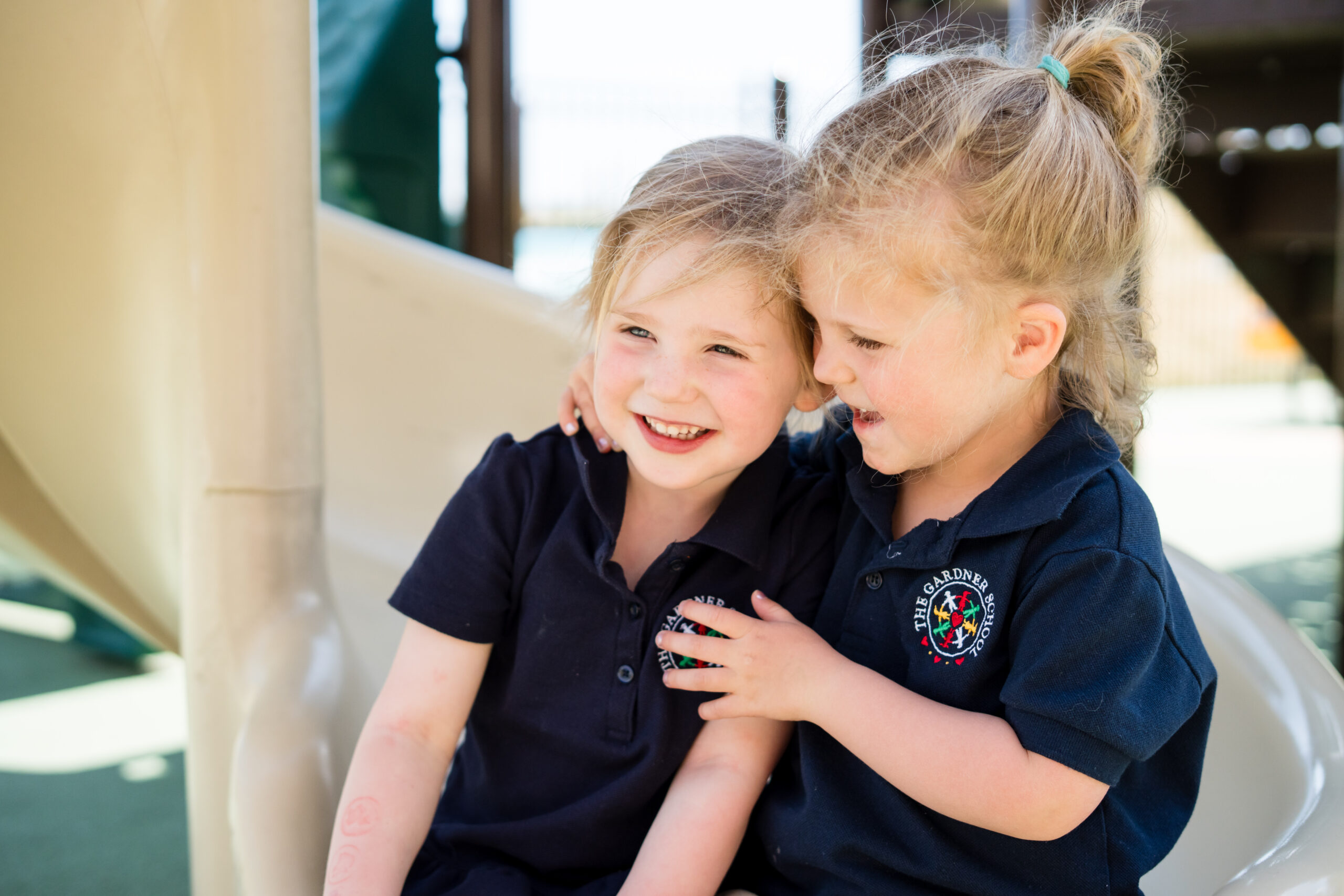
These early childhood social skills help children build friendships, navigate group settings, and prepare for preschool social development in more structured learning environments.
Supporting Emotional Regulation in Preschool
Many parents search for “emotional regulation strategies,” especially during the preschool years when big feelings show up quickly. In high-quality preschool classrooms, emotional regulation is not taught through lectures. It develops through relationships, guided play, and consistent routines.
Teachers support social and emotional development by:
- Modeling calm responses during challenging moments
- Naming feelings in real time
- Offering simple language for problem-solving
- Creating predictable classroom schedules
- Providing comfort and reassurance when children feel overwhelmed
“Three-year-olds are constantly learning how to manage big emotions in social settings,” explains Chaya Swenson, Director of Academics and Learning at The Gardner School. “When we stay calm and responsive, we teach them how to do the same.”
National Association for the Education of Young Children (NAEYC) educators explain that young children learn self-regulation through co-regulation. Before children can manage emotions independently, they need steady adults who respond with warmth, patience, and consistency.
That kind of responsive support helps children feel safe enough to practice managing frustration, waiting for a turn, and working through conflict. Over time, they internalize those strategies and begin to regulate emotions more independently.
When adults guide rather than control, children build both confidence and capability.
Guided Play Helps Three-Year-Olds Build Confidence
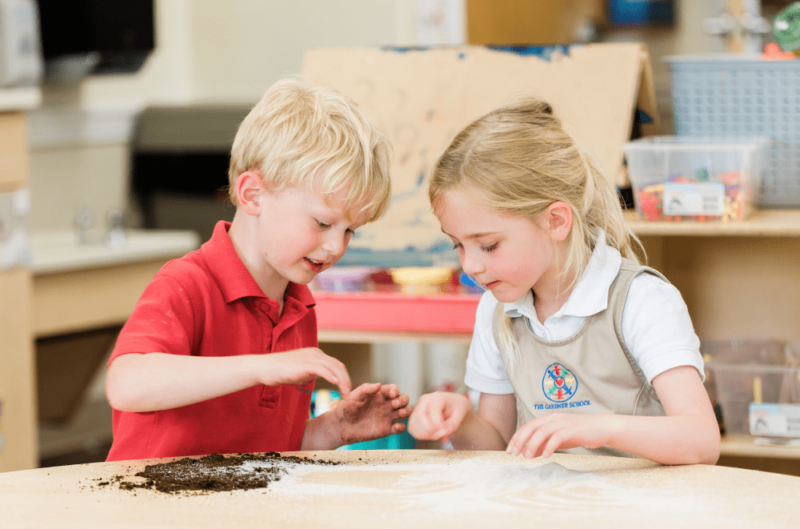
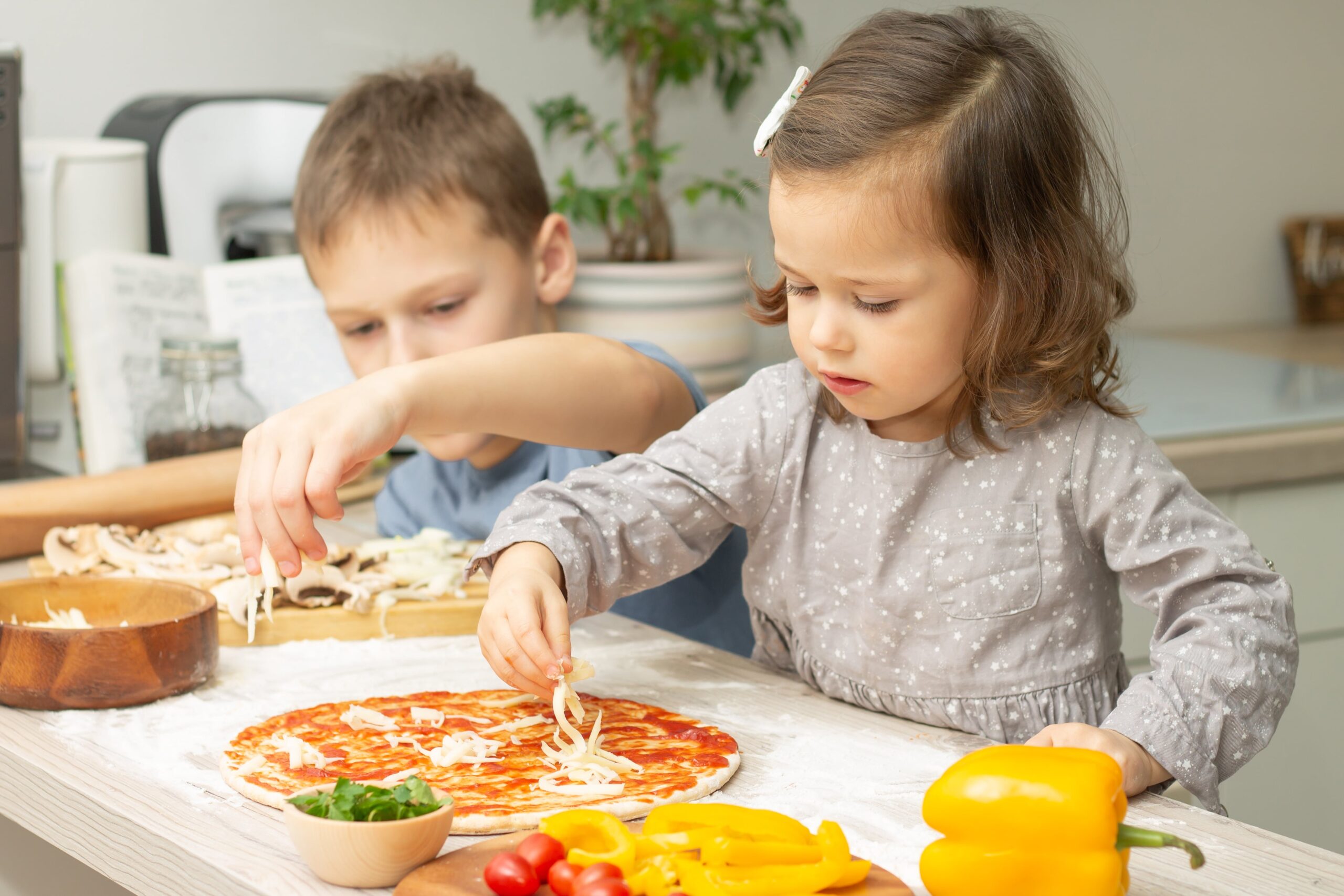
Guided play is one of the most effective ways for preschoolers to develop social skills while strengthening communication and cooperation. To an adult, it may look like blocks or pretend play. In early childhood education, guided play is where social growth accelerates.
Through cooperative activities, children practice:
- Negotiation
- Listening
- Patience
- Perspective taking
Educators know that many behavioral challenges can be eased simply by preparing children for transitions ahead of time. When children understand what is coming next, they feel safer and more regulated.
Repetition also plays an important role. Practicing daily classroom routines builds confidence and strengthens a child’s sense of belonging. Another insight educators often notice is the power of modeling peer language. When teachers gently guide children to say, “Can I have a turn next?” or “I’m still using this,” they are building lifelong communication patterns that support toddler friendships and reduce conflict over time.
Intentional Support for Social Skills Toward Academic Success
Research consistently shows that preschool emotional development is closely tied to later academic outcomes. A child who feels confident in relationships is more likely to participate in group learning, ask questions, and persist through challenges.
At The Gardner School, our preschool classrooms are intentionally designed to support both social skills and cognitive development. Calm, clean learning environments combined with responsive teachers create space for three-year-olds to grow emotionally, academically, and with a deep sense of belonging.
These early years are not just about learning letters and numbers. They are about building confidence, resilience, and connection.
If you would like to learn more about how our preschool programs support age three development, we invite you to explore The Gardner School or schedule a tour here.
Frequently Asked Questions About Social Skills at Age Three
At three, children are just beginning to practice the building blocks of friendship. You might see them taking turns for short stretches, using simple words to express what they want, recognizing big feelings like happy or frustrated, and starting to connect with peers in new ways. Every child grows at their own pace, but this is often the year communication and cooperation truly begin to blossom.
In a high-quality preschool classroom, emotional growth is woven into the day. Predictable routines help children feel safe. Guided play gives them opportunities to practice patience and problem-solving. Most importantly, steady, responsive teachers model calm reactions and supportive language. Through these everyday moments, children gradually learn self-regulation by first experiencing co-regulation with caring adults.
Very normal. At this age, children are still learning what it means to wait, take turns, and see things from another child’s perspective. Sharing is not an instant skill. It develops over time with gentle guidance and repeated practice. Preschool classrooms create daily opportunities for children to try again, build patience, and feel proud when they begin to navigate those moments more independently.