

Patience is an important life skill that helps children learn to cope with stress, regulate emotions, and navigate challenging situations. Patience takes some practice. That’s why TGS provides students with plenty of opportunities to try using patience in fun and interactive ways—whether it’s waiting for their turn during playtime or learning to complete a task with care. Here are some strategies we use at The Gardner School that you can use at home to support your child as they develop these skills.
Delayed Gratification
Helping children practice delayed gratification can foster patience, self-control, and emotional resilience. Simple activities like waiting for a song to finish before enjoying a snack or waiting to start a favorite activity until a task is completed can strengthen these skills. You can start small and build up your child’s ability to wait with additional activities, including:
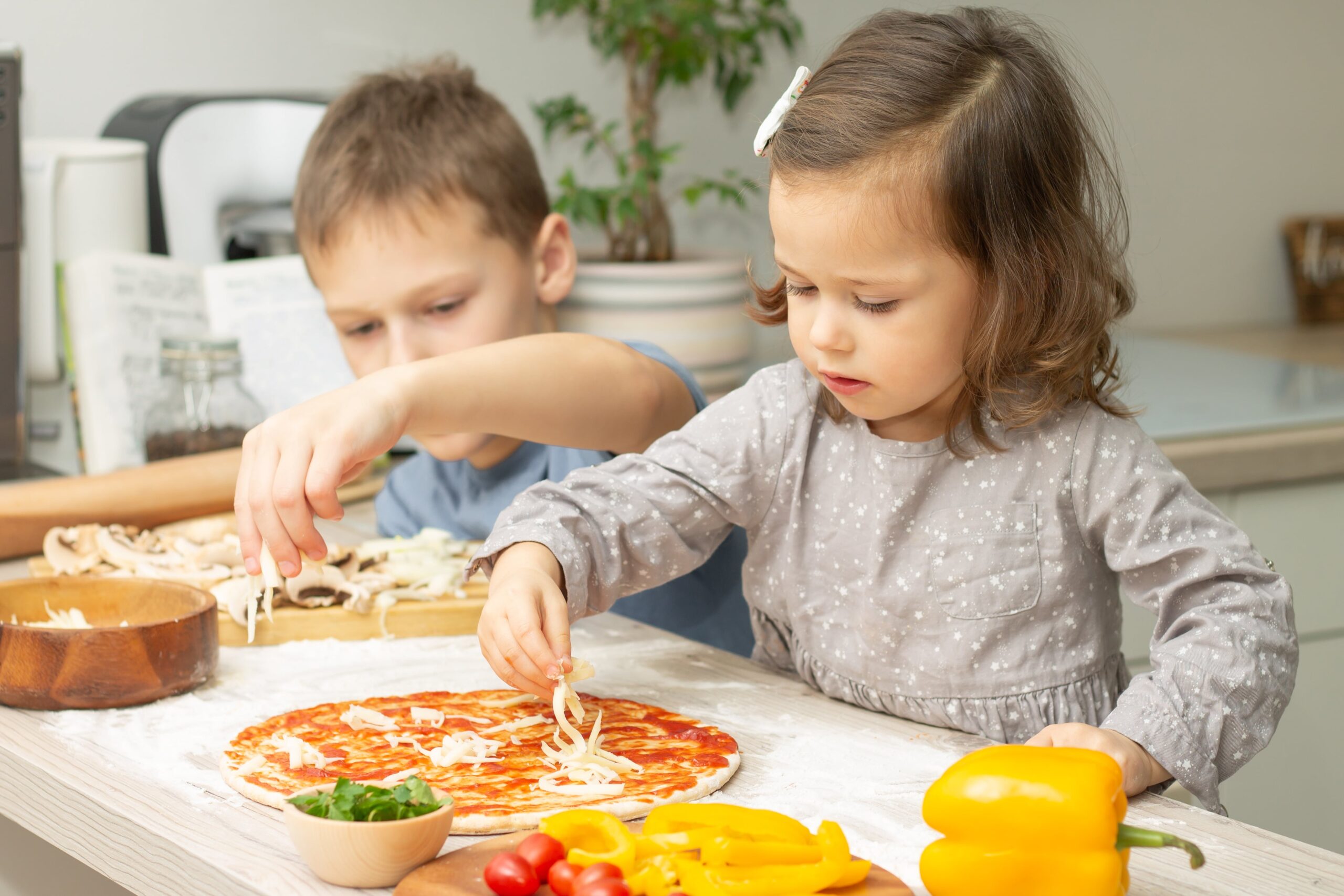
- Cooking or baking together – The process of preparing a meal requires waiting for ingredients to bake or cook. This activity teaches patience and allows children to see that waiting results in something enjoyable they helped create.
- Sticker chart rewards – Using a sticker chart provides a visual representation of their progress, teaching them to wait for a bigger reward. Once they collect enough stickers, they earn a special treat, showing that delayed gratification leads to something exciting over time.
- Games such as Red Light, Green Light – Games that require children to follow instructions and wait for the right moment help reinforce impulse control. It’s a fun way to practice patience since children must resist acting too quickly in order to win.
- Saving money in a piggy bank – As your child gets older, this is a great way to teach them delayed gratification by letting them set a goal and watch their savings grow over time. Saving money can also help them distinguish between needs and wants when it’s time to spend it!
Model Self-Control
Our children learn so much by observing the behaviors of adults in their lives. So the next time you’re frustrated, show your child how you cope by taking a deep breath before you act. Spend time stuck in traffic by playing I Spy, listening to calming music, or talking about something fun you’ll do when you get home. By modeling these coping techniques, you can manage your own frustration while teaching your child valuable life skills for handling their emotions in a healthy way.
Use Visual Cues
Offer ways for your child to visually see the passage of time, making it easier for them to grasp the concept of waiting. Using a colorful countdown timer, the second hand on an analog clock, or an hourglass-shaped sand timer while they wait can be really helpful!
Building Patience for a Lifetime of Success
At TGS, we believe helping your preschooler develop patience is a key step in nurturing their emotional and social growth. Through consistent guidance and positive reinforcement, children can learn to handle challenges, manage emotions, and work through problems—all skills that will benefit them well into adulthood. Learn how we help children practice patience at The Gardner School by scheduling a tour to visit our classrooms.