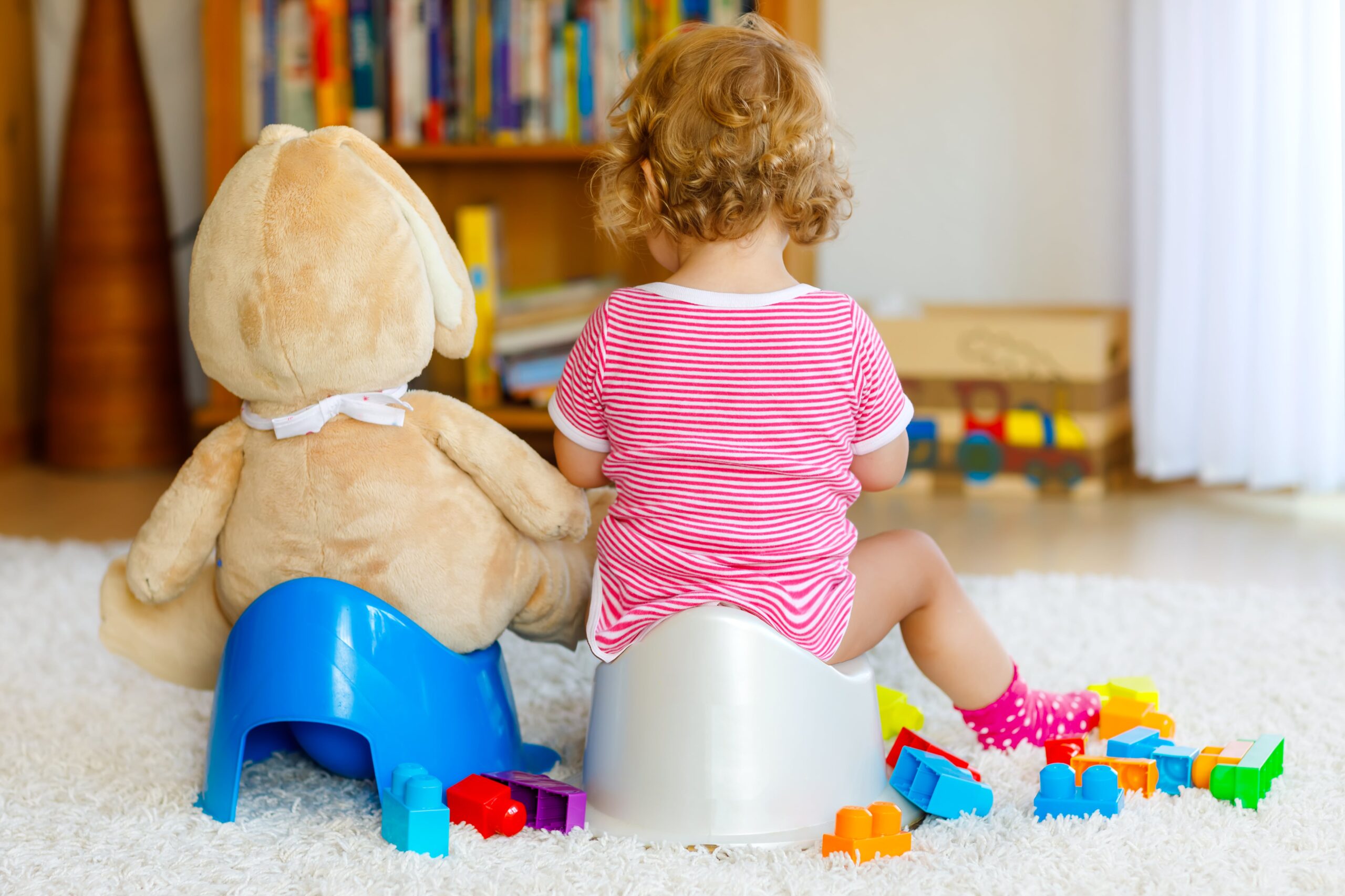
Potty training is an exciting milestone for both you and your little one. Your child is on their way to greater independence and confidence. But, how will you know when it’s time to start the potty training process?
As you and your toddler embark on this journey together, he or she will look to you for guidance. However, your child will also show you a few signs that he or she is ready. Below are our best tips on knowing when to begin potty training and how to make it a success.
8 Signs Your Child is Ready for Potty Training
- They imitate parents, siblings, or other children. It’s in a toddler’s nature to mimic the actions around them. You may notice that they pick up on your potty habits or those of their siblings. This sign is an opportunity to encourage their enthusiasm and to talk positively about potty terms.
- They demonstrate more independence. Children naturally gravitate toward what they believe grown-ups do. They notice that others are more independent and will want to be in on the fun. You may see that your child wants to take the lead on actions you would normally help them with. Potty training could be the next step toward independence they can be excited about.
- They communicate their need to potty. Once your child starts to tell you that they are about to go or have already gone, it’s time to consider potty training. They have become aware of the feelings related to potty time, so it’s a great time to begin sitting them on the toilet.
- They pull their clothing up and down. When your child can pull their clothing up or down, this is another sign of independence. He or she will be able to pull their pants down when it’s time to go and will reinforce their confidence in taking this big-kid step.
- They begin to eliminate on a schedule. If your toddler goes in their diaper multiple times an hour, they haven’t developed control over when they eliminate. You will notice, however, that your child will begin going on a schedule, helping you both get a feel for when to run to the potty.
- They can stay dry for up to two hours. Following up on our previous point, if your child can stay dry for two hours, you are on your way. They are developing more control over their bladder function and can begin to relate “holding it” with the need to go in the toilet.
- They are uncomfortable in a soiled diaper. A child will begin to notice discomfort when their diaper is wet or soiled. They might start to tug on their diaper or look uncomfortable. Now that they notice the discomfort of going in a diaper, it’s a great time to take a step toward toilet training.
- They hide when they need to go. If you notice your child hiding when they eliminate, they may be becoming embarrassed to go in their diaper. Let them know that their feelings are natural and introduce the idea of potty training.
7 Tips for a Smooth Potty Training Experience
- Set goals based on the readiness of your child. It is essential to look to your child for signs that they’re ready to move to the next step. There is no set schedule that they have to stay on or milestone marker they must meet. Each child will move at a different pace.
- Consider stand-up diaper changes. Try to change your child’s diaper while they’re standing. By standing during a diaper change, he or she can begin to feel like they have more control over the process and will be more inclined to develop ownership over their potty time.
- Stay positive and give enthusiastic feedback. Positive reinforcement is the backbone of potty training. Your child looks to you to know when they’ve done something well, so your enthusiasm about their progress is crucial. Rejoice in their excitement and let them know how proud you are of their efforts. You can also create a reward system, such as giving them a sticker when they go to the potty.
- Allow them to pull up pants on their own. We’ve mentioned independence and ownership. Allowing your child to pull their pants up and down will give them more control. They can feel like they are leading the way and making progress on their own. What we consider a small step can go a long way in reinforcing positivity by celebrating not only the end goal but their growth throughout.
- Let your child take part in picking out their new underwear. Adding excitement and encouragement everywhere we can, you can ask your child to pick out their training potty or new underwear. You can even wrap it as a gift and present the idea as something they can look forward to.
- Read potty books while they are sitting on the potty. There are countless potty books out there that you and your child will love. These books frame going to the potty as a positive, exciting experience for your child. So, as we’re always reinforcing that positivity, it’s a great idea to read these books to your child while they sit on the toilet.
- Teach proper hand-washing skills. Though this step may seem to come later, it’s good to introduce proper hand-washing early. Your child will associate going to the bathroom and washing their hands as two steps for the same process.
Potty training is a wonderful time for your toddler to build their self-esteem. By allowing their natural signs to lead the way, you are your child can have a positive experience that you can both feel great about.
The Gardner School supports our parents in their child’s development, including potty training. Learn about the many advantages of an academic preschool and the opportunities we create for your child. Schedule a tour today!