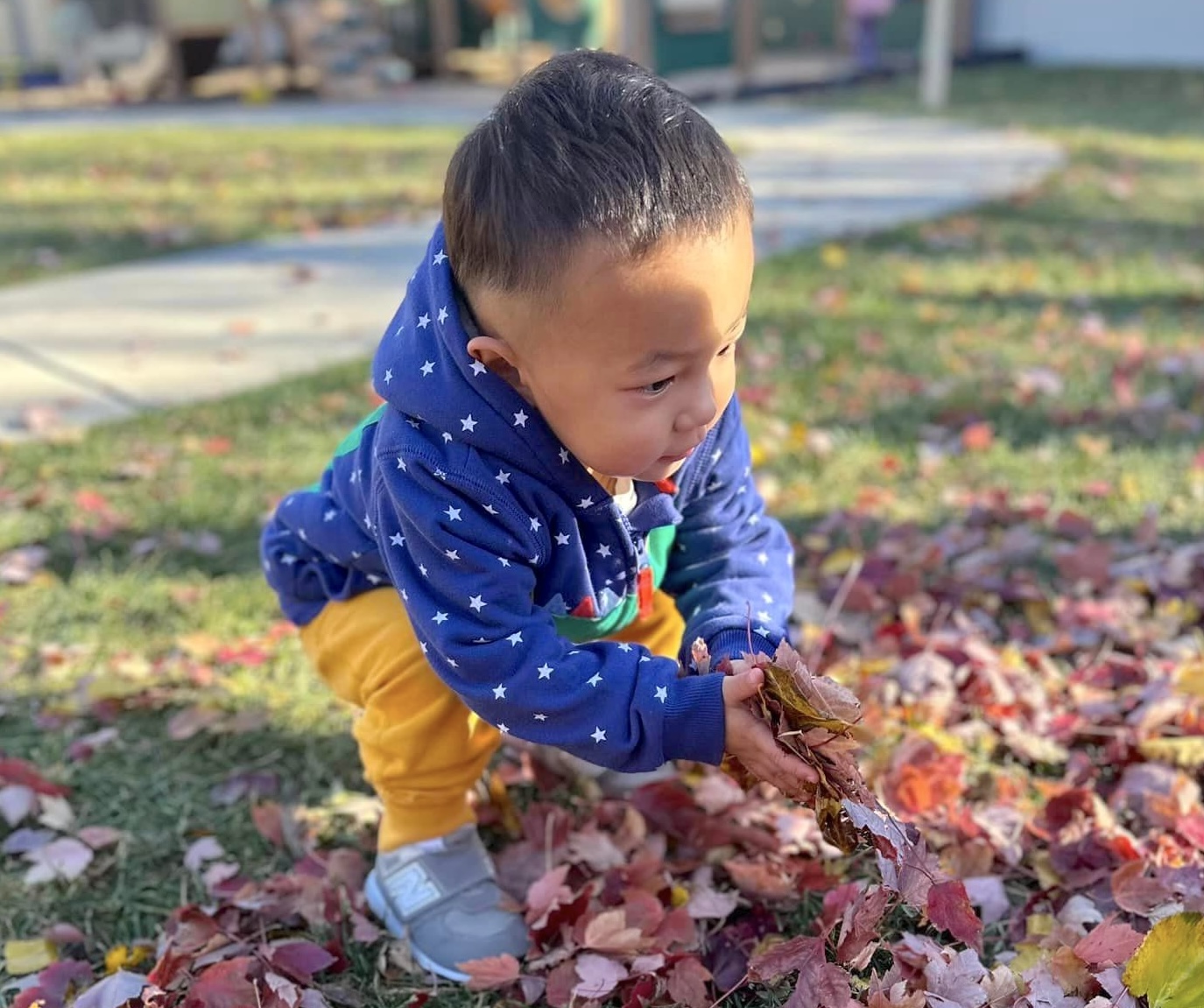
As the weather cools and the leaves begin to change, many families naturally spend more time outdoors. What may look like simple fun, collecting colorful leaves, balancing on logs, watching squirrels gather acorns, or splashing through puddles, is actually rich with opportunities for learning. Every outdoor adventure encourages children to ask questions, solve problems, build confidence, and discover something new.
At The Gardner School, we believe some of the best learning happens when children are free to explore the world around them. Fall offers countless opportunities for meaningful, hands-on experiences that support every area of a child’s development.
Why Fall Is the Perfect Season for Exploration
Autumn naturally sparks curiosity. Children notice cooler temperatures, changing colors, migrating birds, different sounds, and new textures beneath their feet. Those observations often lead to questions, and questions are where meaningful learning begins.
Whether they’re watching a squirrel gather acorns or wondering why some leaves change color before others, children are practicing the same habits of observation, prediction, and discovery that become the foundation for future science, math, and critical thinking.
What Children Are Really Learning Outside
Outdoor play certainly strengthens growing bodies, but the learning reaches much further than physical development.
- Problem Solving – Nature rarely provides perfect solutions. Children learn to navigate uneven ground, decide which stick is strongest for building a fort, or figure out how to carry a handful of leaves without dropping them. Each small challenge helps build flexible thinking and perseverance.
- Language Development – Outdoor experiences naturally create opportunities for conversation. As children describe what they notice, ask questions, or tell stories about their discoveries, they expand their vocabulary and strengthen communication skills. Words like crunchy, smooth, camouflage, and hibernate become meaningful because children experience them firsthand.
- Scientific Thinking – Fall is full of opportunities to observe patterns, compare objects, make predictions, and explore cause and effect. Children begin thinking like scientists long before they understand the word.
- Creativity and Imagination – A pile of leaves becomes a mountain. Acorns become treasure. Sticks transform into fishing poles, fairy wands, or building materials. Natural materials encourage open-ended play because there is no single “right” way to use them.
Confidence Grows One Small Discovery at a Time
One of the greatest benefits of outdoor learning is something that often happens quietly. Every time children decide which path to explore, figure out how to climb over a log, or proudly show off an interesting leaf they discovered, they are building confidence in their own abilities.
“One of the things we notice every fall is how much confidence children gain when they have the freedom to explore,” says Lorena Reyes, Executive School Director at The Gardner School of Chicago – North Center (IL). “A child who proudly discovers an interesting leaf or figures out how to balance across a log is learning to trust their own thinking. Those small moments of discovery often become the foundation for bigger learning and greater independence throughout the year.”
These moments may seem small, but they help children develop resilience and independence. The confidence they gain outside often carries with them into the classroom as they approach new challenges and learning experiences.
Learning Through All Five Senses
Fall engages every sense, creating experiences that help children make lasting connections with the world around them. They hear leaves crunch beneath their feet, feel rough bark and smooth acorns, smell crisp autumn air, and watch the landscape change from week to week.
According to the National Association for the Education of Young Children (NAEYC), meaningful outdoor play supports children’s physical, cognitive, social, and emotional development by encouraging exploration, inquiry, and hands-on learning. Those experiences become even more meaningful when caring adults encourage children to wonder, ask questions, and share what they notice.
Bringing Outdoor Learning Home
Outdoor learning doesn’t require elaborate activities or special supplies. Some of the richest learning happens during everyday family moments.
- Take a nature walk and collect leaves to sort by color, size, or shape.
- Count acorns or pinecones together while practicing early math skills.
- Read a favorite fall story before heading outside to look for signs of the season.
- Ask open-ended questions like, “What do you notice?” or “Why do you think that happened?” to encourage observation and conversation.
These simple experiences help children see that learning isn’t limited to a classroom. Curiosity can grow anywhere.
Every Season Brings New Opportunities to Learn
At The Gardner School, outdoor time is an extension of the classroom. Whether children are investigating insects, building with natural materials, or simply noticing the first colorful leaves of the season, they are developing the confidence, creativity, and curiosity that support lifelong learning.
This fall, take time to slow down, head outside together, and let your child’s curiosity lead the way. You may be surprised by just how much learning is hidden in every nature walk, leaf pile, and autumn afternoon. For all they will become.
FAQ
Why is outdoor play important for preschoolers in the fall?
Fall offers unique opportunities for children to observe seasonal changes, ask questions, explore nature, and build physical, cognitive, and social-emotional skills through hands-on experiences.
What skills does outdoor play help children develop?
Outdoor play supports gross motor development, problem-solving, scientific thinking, language, creativity, confidence, and resilience.
How can families encourage outdoor learning at home?
Simple activities like nature walks, collecting leaves, sorting natural objects, reading fall books, and asking open-ended questions can turn everyday outings into meaningful learning experiences.