Fall brings a season of cozy rituals and colorful play. For young children, the simple joys of raking leaves, scooping seeds from pumpkins, or pulling up a zipper are more than seasonal fun. These small tasks help strengthen the tiny muscles in their hands and fingers, laying the groundwork for writing, self-care, and even early math.
At The Gardner School, our preschool curriculum reflects the way children naturally build fine motor skills. Through art, sensory tables, and practical life activities, we create opportunities that mirror the experiences children love at home.
Building Strength Through Fall Play
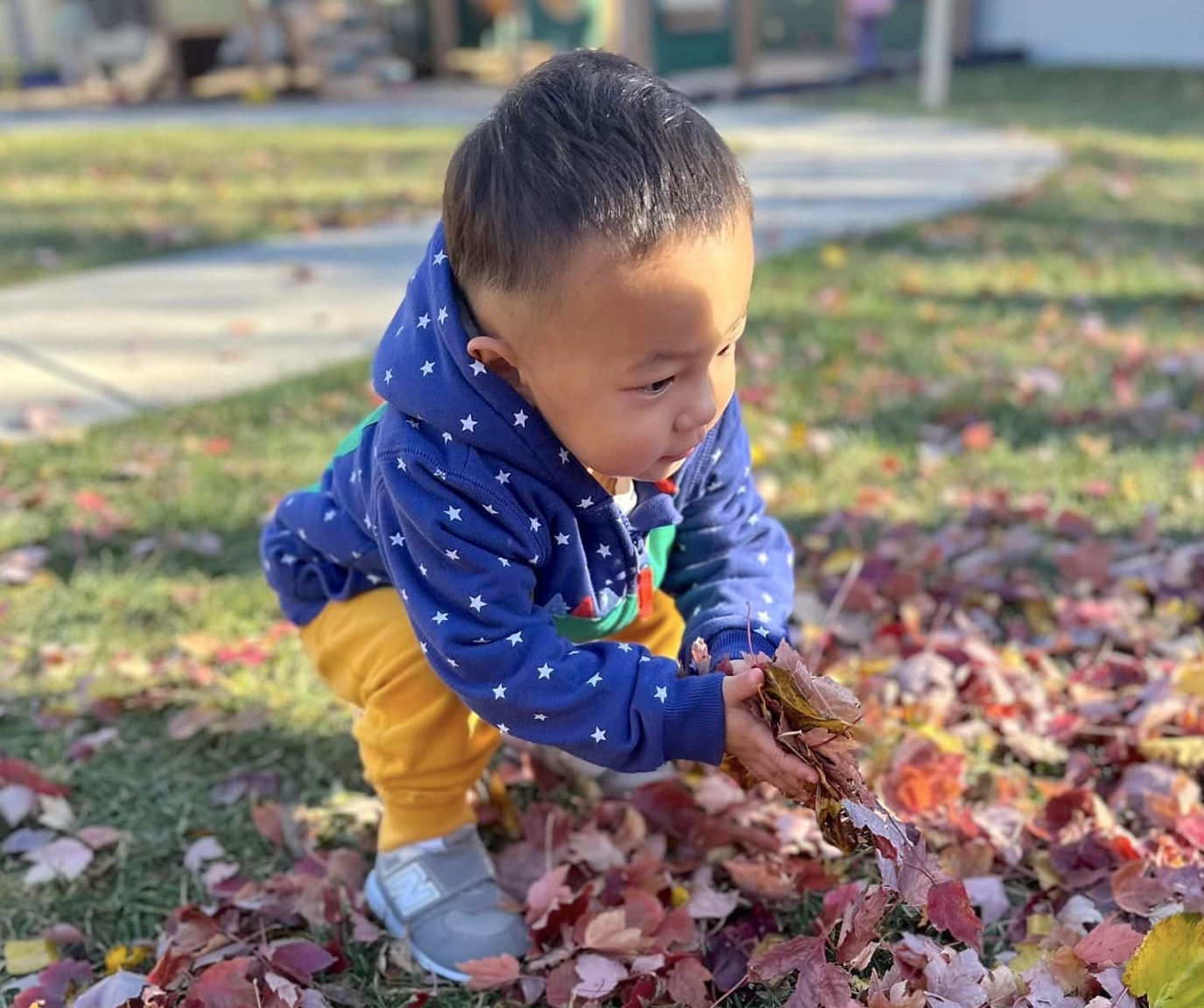
Raking Leaves: Holding and pulling a child-sized rake builds hand strength and coordination. Children love gathering piles, which also encourages teamwork and rhythm.
Scooping Pumpkins: Using spoons or small scoops to dig out pumpkin seeds helps children practice grip and control. These same motions prepare them for holding crayons and pencils with confidence.
Zipping Jackets: Cooler weather is perfect for practicing zippers, snaps, and buttons. These everyday skills develop independence while strengthening finger muscles that will later support writing and drawing.
Why Fine Motor Skills Matter
Fine motor skills are essential for early childhood development. They allow children to manipulate tools, care for themselves, and explore math concepts like sorting and counting. According to Zero to Three, activities that use the hands and fingers also build brain connections that support problem-solving and focus. In other words, crunching leaves and scooping seeds prepare children to crunch numbers later on.
How Classrooms Echo the Season
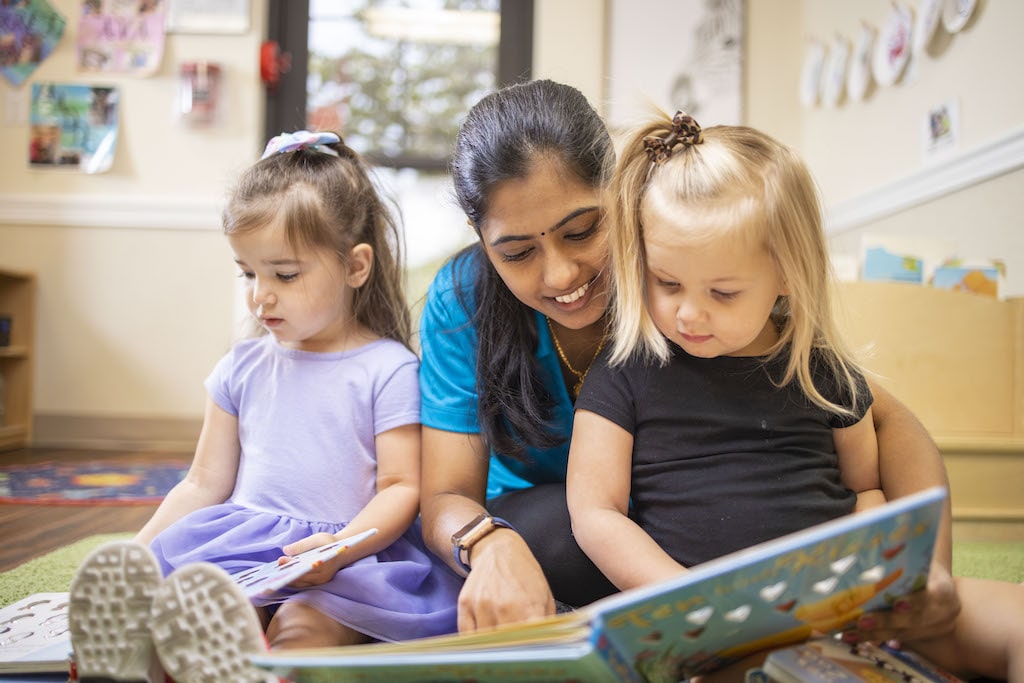
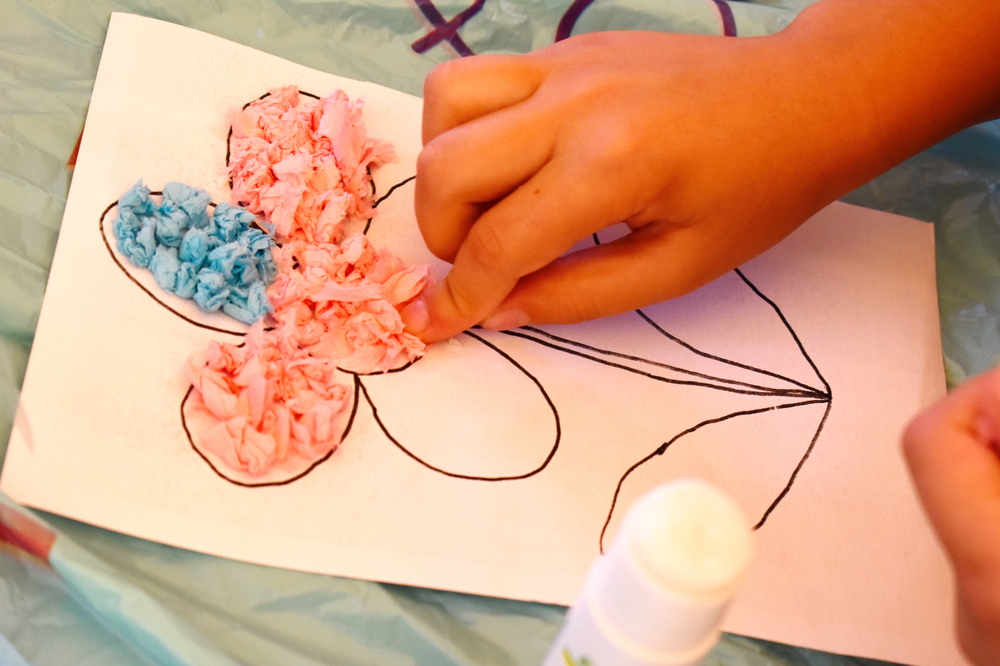
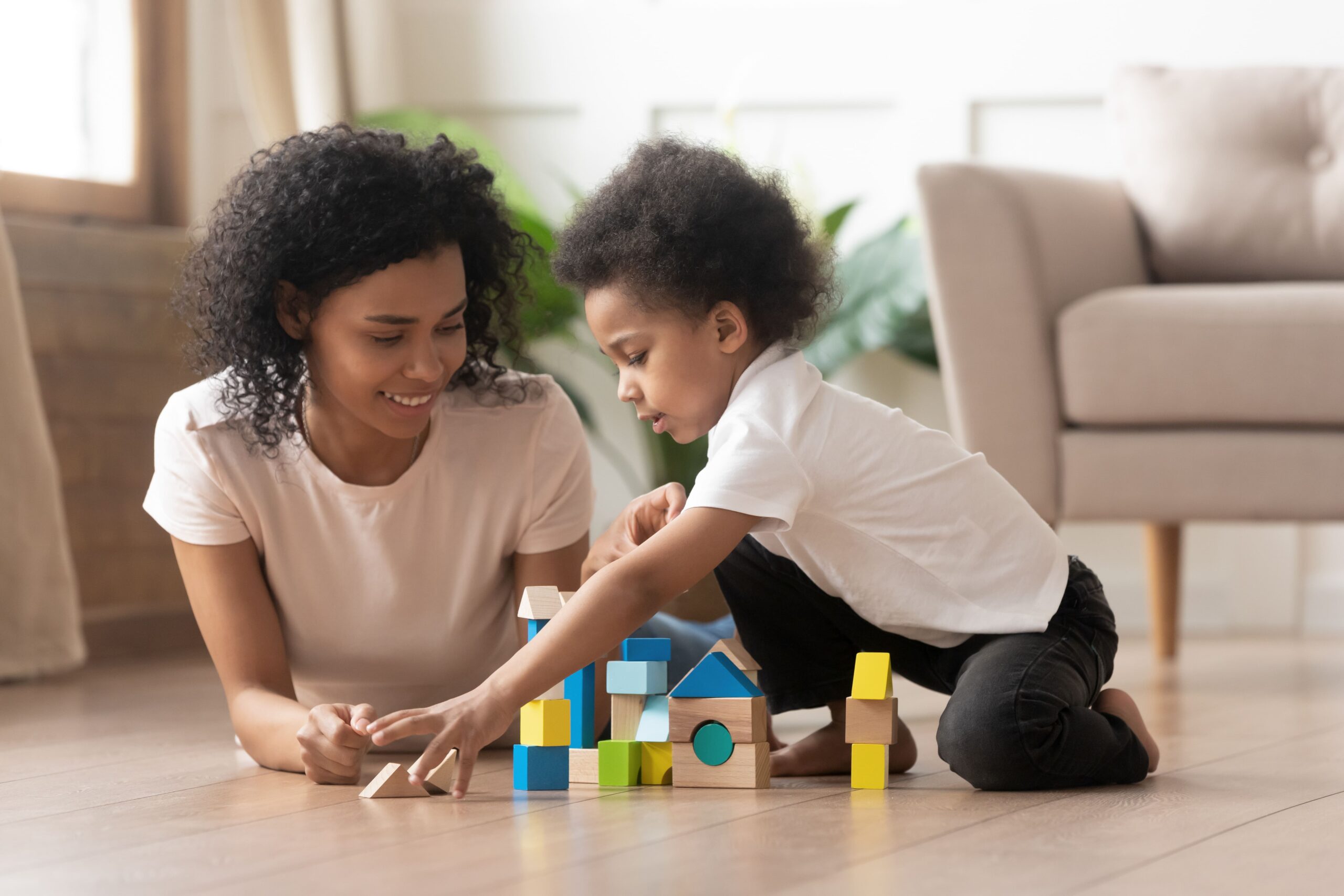
In our classrooms, children experience many of the same opportunities for fine motor growth. Activities like painting with small brushes, using tweezers at sensory tables, or threading beads provide practice in ways that feel playful and engaging. Practical life activities such as pouring water, folding napkins, or stacking blocks also strengthen the same muscles children use in self-care. These experiences create a strong bridge between the skills children practice at home and the learning they do at school.
Learning That Feels Like Family
Seasonal play is more than a memory-maker. It is an essential part of a child’s growth. By noticing the small skills that come from zipping jackets or scooping seeds, parents can celebrate progress in both independence and learning.
At The Gardner School, we partner with families to nurture these everyday milestones. Together, we give children the tools, confidence, and joyful practice they need to succeed in school and in life.