

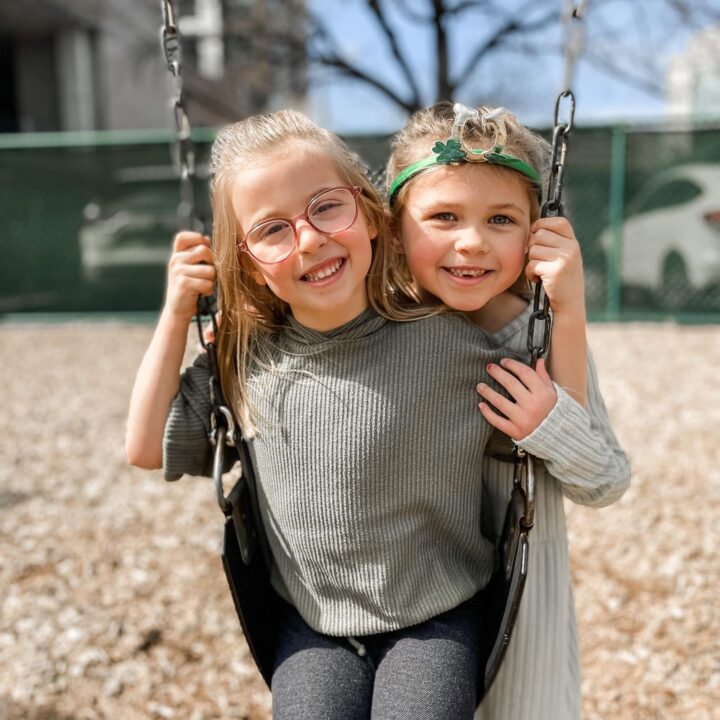
It’s always pleasant when people say “please” and “thank you” in social situations. These simple behaviors and other considerate actions help promote community and kindness between individuals. Even the youngest members of the family can learn basic practices that help others feel appreciated. A few simple habits will help your child master the art of good manners. Here are six tips to teach your child good etiquette practices that will help them thrive socially!
1. Encourage Mutual Respect
The root of etiquette is mutual respect for everyone we encounter in our everyday lives. Help your children understand that everyone deserves kindness and consideration, no matter who they are. Preschoolers can show respect for others by using kind words, gentle physical movements, and asking for permission from others. Give your child the “why” behind all these words by explaining that this is what we do when we want to be kind to others.
2. Teach Polite Words Early
Encourage your little one to say “please” and “thank you” in their daily interactions with others. Although they may not initially understand exactly what the words mean, they can begin to comprehend that these phrases show love for another person. Introducing kind phrases into your child’s daily vocabulary can help them express gratitude and empathy as they grow and mature.
3. Model Manners
During the preschool years, children tend to repeat what they hear others say. Raising a child can serve as an opportunity to reflect on your own language and actions towards those around you. While waiting at the doctor, at the bank, or in rush-hour traffic, you have an opportunity to internally reset and realign. These are the perfect circumstances for showcasing patience and kindness. Your little one may be watching and will notice you choosing to remain calm and courteous.
4. Teach Preschoolers to Pause
Children may benefit from taking a few minutes to calm down if they’re worked up. Set up a “calm-down corner” for your child to retreat to when they’re overwhelmed. This corner should have soft furnishing, comforting objects, and activities that promote reflection. Your child can take a few moments in the calm-down corner to relax and reset before reengaging.
5. Don’t Force Manners
Humans are always more likely to take a certain action when they feel they have a choice in the matter. While polite words are always appreciated, they shouldn’t always be necessary to use when your child has a need to be met. If your child is hungry, overwhelmed, or tired, requiring specific words may make them less likely to use gentle language in the future. If you are patient and understanding about your child’s limitations, you’re more likely to see them express patience and understanding with others as well.
6. Choose a Preschool That Helps Kids Develop Socially
One of the best ways for your child to learn adaptive social skills is by introducing them to new friends through childcare and preschool. They can practice good manners, sharing, and compromise throughout each day’s activities. The Gardner School doesn’t expect these behaviors to arise spontaneously in kids. Instead, we consider social-emotional learning to be just as important as our strong academic standards. To learn more about how you can help your child become adept academically and socially, contact us today to discover what we can bring to your family.