A preschool that feels like home helps children feel safe, build relationships, and develop confidence, all of which are essential for early childhood development. This sense of belonging plays a critical role in early childhood development, helping children build confidence, form relationships, and engage more deeply in learning.
For many families, choosing a preschool or childcare program starts with practical questions like location, schedule, and curriculum. But when parents walk through the door, the decision often comes down to something harder to define. It’s a feeling that goes beyond what you can see on a checklist.
As Angie Anderson, Executive School Director at The Gardner School of Arlington (VA), shares,
“When a child feels safe and connected, everything else starts to fall into place. You see it in how they walk into the classroom, how they build relationships, and how willing they are to try something new.”
The way a teacher greets a child. The tone of the classroom. The sense that this is a place where your child will be understood, not just cared for. That feeling matters more than it might seem.
Why a Preschool That Feels Like Home Supports Early Childhood Development
In the early years, children learn best when they feel emotionally safe. When a preschool environment feels warm and familiar, children are more likely to explore, take small risks, and engage with others.
This sense of comfort supports:
- Confidence in new situations
- Stronger relationships with teachers and peers
- Willingness to try, learn, and grow
When children feel secure, learning becomes something they move toward, not something they hold back from, and that confidence carries into every part of their day. This sense of comfort and belonging is a key part of early childhood development and shapes how children engage in a preschool environment.
How Teacher Relationships Shape a Preschool Experience
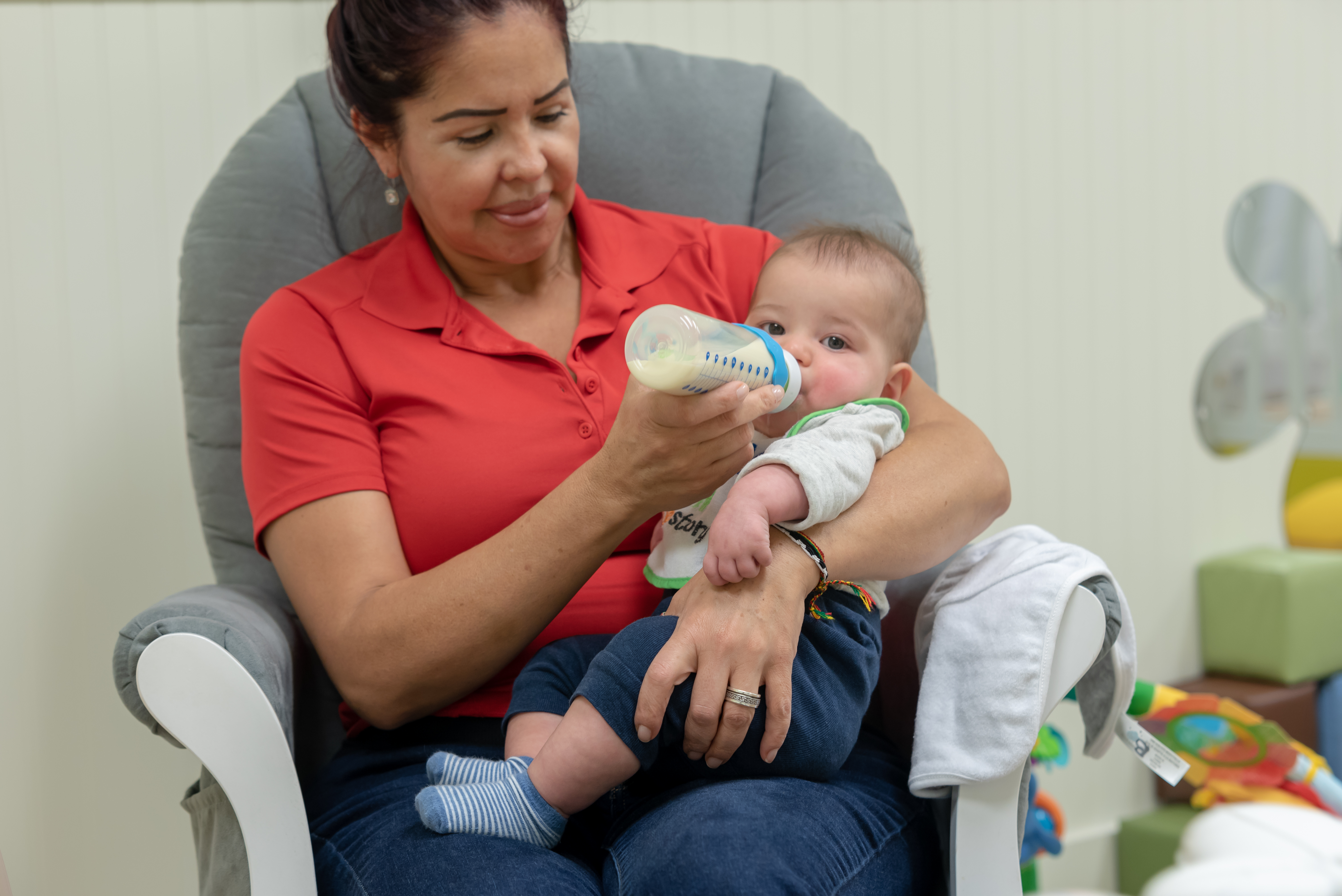
One of the clearest signs that a preschool feels like home is the relationship between teachers and children. In high-quality preschool and childcare environments, teachers do more than guide activities. They learn each child’s personality and preferences, respond with warmth and consistency, and create a sense of trust throughout the day.
You might notice a teacher kneeling to greet a child at eye level, remembering a favorite book, or offering reassurance during a transition. These small moments build something lasting. Over time, strong teacher relationships support social-emotional development, communication skills, and a child’s overall sense of belonging.
How the Preschool Environment Affects Your Child’s Learning and Comfort
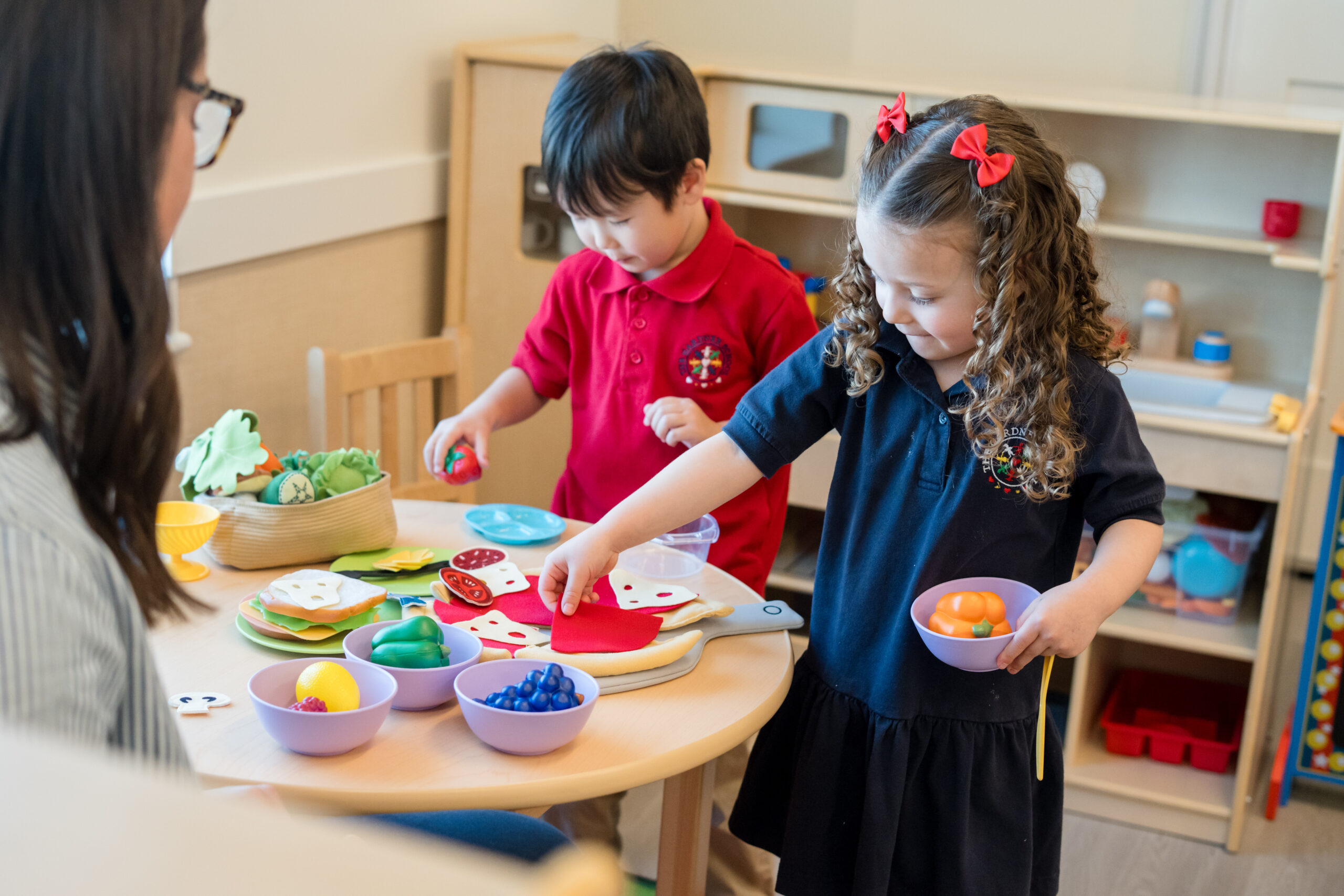
The physical space of a preschool also plays an important role in how children feel. A classroom that feels calm, organized, and welcoming allows children to move confidently through their day. Materials are accessible. Spaces feel intentional. There is a balance between structure and flexibility.
Parents often notice things like natural light and open, inviting spaces, areas for both active play and quiet moments, and thoughtfully arranged materials that encourage exploration. These details are not just aesthetic. They support independence, focus, calm, and a sense of comfort.
What to Look for When Touring a Preschool
When visiting a preschool, it can be helpful to look beyond the checklist and pay attention to how the environment feels in real time. You might notice how the teachers interact with children. Do the children seem engaged, comfortable, and confident? What is the tone of communication between staff and families during your visit? Is there joy and engagement visible in the spaces?
You may also want to listen to how the school talks about children. Does the language show that students are seen as individuals? Are their emotions acknowledged and respected? Often, the most important indicators are the ones you feel, not just the ones you see.
Why Belonging Matters in Preschool and Early Learning
At its core, a preschool that feels like home creates a sense of belonging. Children who feel known and supported are more likely to build strong social connections and develop confidence in themselves. When students are comfortable, they will also approach new experiences with curiosity and wonder, expanding their development even more. This foundation shapes not only their preschool experience, but also how they see learning in the years ahead.
At The Gardner School, creating that sense of belonging is part of everything we do. From the way we welcome families to the relationships we build in the classroom, we believe children learn best when they feel at home.
Parents at The Gardner School often share that there’s a warmth in the building. They can feel it as soon as they walk in, and it gives them peace of mind as they entrust us with their child’s early education. Choosing a preschool is an important decision. While curriculum and program structure matter, it is often the sense of connection with the teaching team, school leadership, and other families that makes the biggest difference.
If you would like to learn more about how our preschool programs support early childhood development and create a true sense of belonging, we invite you to explore our website or schedule a tour.