

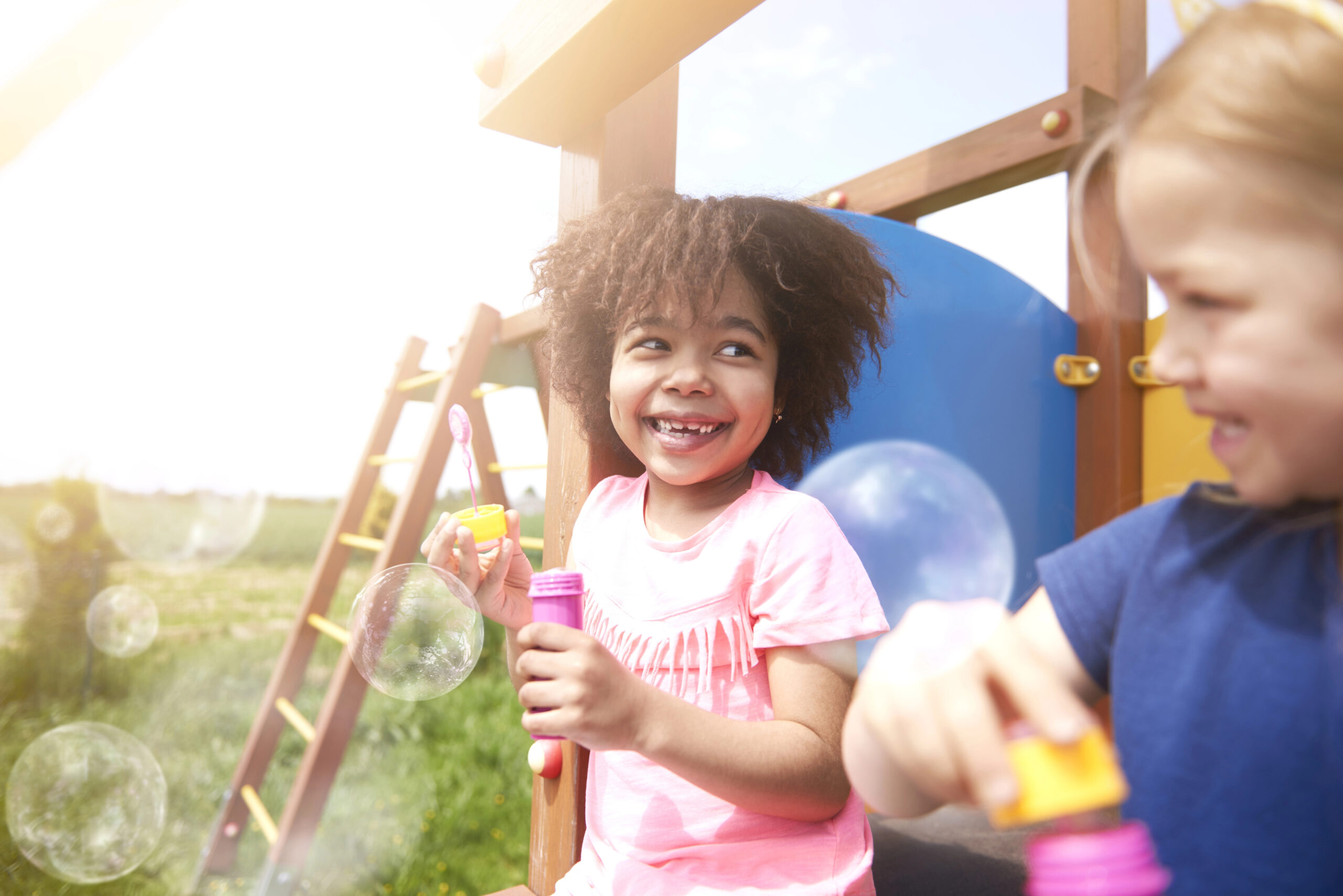
Summer is a season of sunshine, popsicles, and splash parks—but it’s also a season of meaningful growth. For young children, summer playdates offer more than just fun. These moments are valuable chances to build social confidence, develop friendships, and practice key emotional skills in real time.
At The Gardner School, we believe in the power of play to prepare children not just for school, but for life. Here’s how families can make the most of summer social time in a way that’s both joyful and developmentally enriching.
Why Playdates Matter
Whether your child is sharing a shovel at the sandbox or waiting for a turn on the slide, they’re learning essential life skills. Play is where cooperation, empathy, communication, and conflict resolution take root. These early interactions help children navigate relationships with more confidence and care.
Simple Tips for Successful Summer Playdates
Keep it short and sweet
For toddlers and preschoolers, 1 to 2 hours is often the perfect amount of time. Ending on a positive note helps children associate playdates with joy and connection.
Have a few easy activities ready
Low-prep ideas like bubbles, chalk, water balloons, or sensory bins provide gentle structure without feeling forced. These give children something to focus on and help the play flow naturally.
Practice what to say ahead of time
Before friends arrive, role-play simple social phrases like “Can I play with you?” or “Let’s take turns.” Practicing in advance builds confidence and helps children feel prepared.
Create a reset space
Active play takes a lot of energy. Offer a cozy space to rest and recharge with a light snack and some water. It’s a great way to reset and return to play feeling refreshed.
Let the Learning Unfold
It’s normal for young children to have small conflicts. Instead of stepping in too quickly, give them a chance to work things out on their own with a little support. These moments of trial and error help children develop emotional awareness and problem-solving skills that will benefit them for years to come.
Celebrate the Little Wins
After the playdate, take a few moments to reflect together. Ask what they enjoyed or if they remember using kind words or sharing. These small reflections build self-awareness and help children notice their own growth.
At The Gardner School, we understand that social development is just as important as academic learning. That’s why our classrooms—and the playdates you create at home—are full of meaningful moments to connect, grow, and thrive.
Want to see how we nurture friendships and foster emotional growth every day? Schedule a tour and discover how The Gardner School supports the whole child—through every season.


