

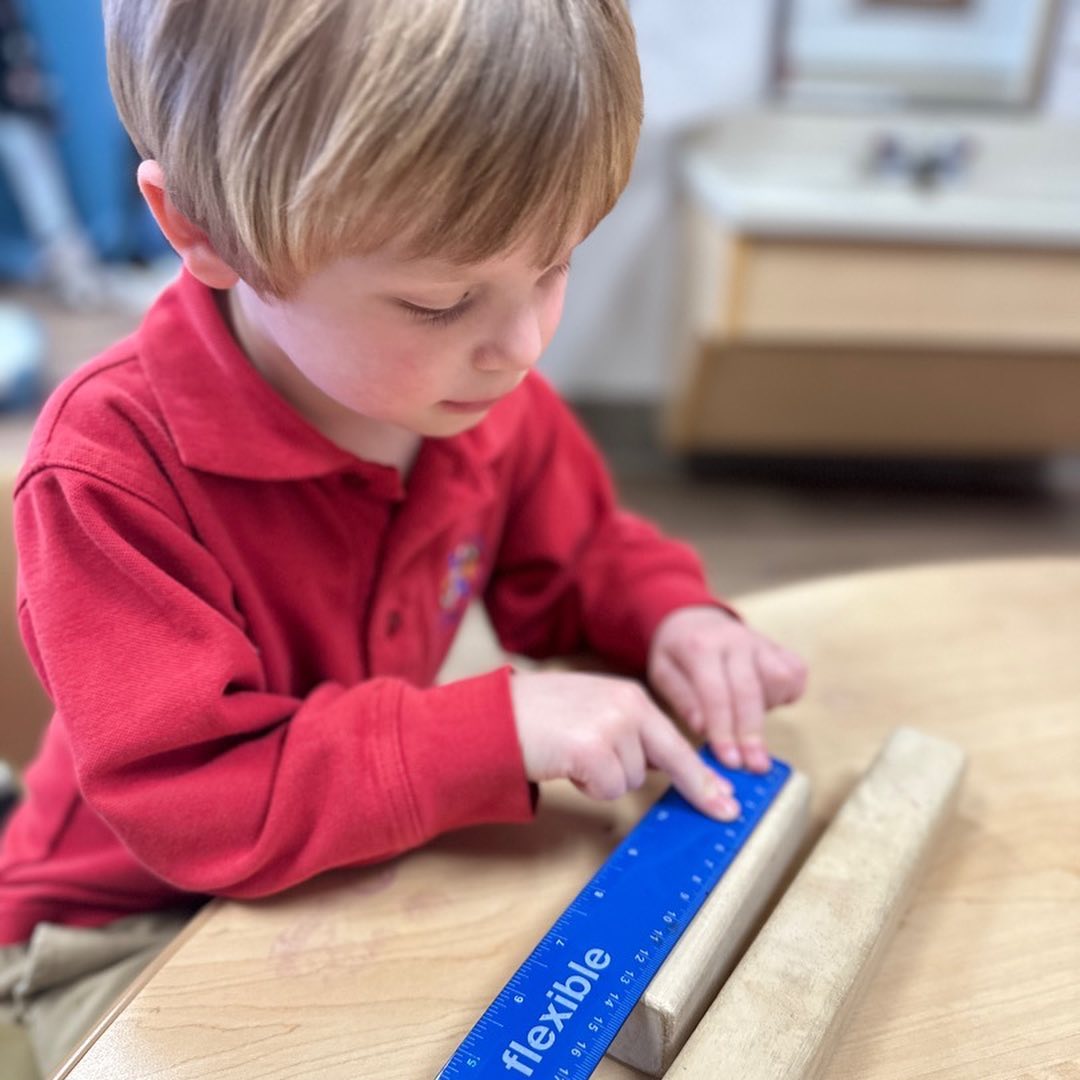
Preschool is a crucial stage in a child’s development when they begin to explore concepts and ideas on a very basic level. Introducing preschoolers to basic mathematical concepts through age-appropriate activities can lay a solid foundation for their future learning. Math education is a core component of S.T.E.A.M. education for preschoolers, and early exposure can make math skills easier to grasp in elementary school and beyond. Here’s how to make math fun for your preschooler:
Build Number Recognition
One of the fundamental mathematics skills is number recognition, which begins with numbers 1 through 10. Creating or buying number cards with large, colorful digits can help with number recognition. Encourage your child to repeat the name of the number after you. Incorporating counting songs and rhymes can also make number recognition stick.
Count with Everyday Objects
Preschoolers learn best through hands-on experiences. You can engage your child in counting activities using everyday objects found in their environment. For example, you can count the number of toys in a box or the number of apples you bought at the grocery store. Once you look for them, you’ll notice opportunities to count together every day!
Recognize and Sort Shapes
Math education extends beyond numbers; it includes understanding shapes and patterns. Introduce basic shapes like circles, squares, triangles, and rectangles to preschoolers by encouraging them to identify shapes in their surroundings. You can even slice sandwiches into triangles or eat a few square crackers for a positively delicious identification exercise. Toys like MagnaTiles make identifying and building with shapes absolutely delightful, and children will learn that complex structures are built out of simple, repeating shapes.
Measurement and Comparison
Preschoolers can develop an understanding of the relative size, surface area, volume, and physical space through very simple activities. There are many picture books built around the concepts of “larger” or “smaller” and comparing objects within that framework. In addition to reading books, you can point out objects around you that are bigger or smaller than other objects. The classic family activity of charting a child’s height on a door frame can allow them to see growth in real time.
Patterning and Sequencing
Preschoolers have a natural inclination towards patterns and sequences. You can engage their natural interest by involving them in patterning activities. Use colored blocks, beads, or even stickers to create simple patterns (e.g., red, blue, red, blue) and ask them to continue the pattern. Although it may seem simple, this is a complex task that can keep a preschooler very engaged!
S.T.E.A.M. Education at The Gardner School
Emphasizing a playful and hands-on approach ensures that children develop a positive attitude toward math and helps prepare them for more complex math concepts as they grow. The Gardner School embraces the importance of S.T.E.A.M education to help prepare children for kindergarten and beyond. To learn more about how TGS helps little minds grow, visit one of our preschools or schedule a tour.