As spring arrives, so do longer days, more time outside, and a natural shift in daily routines. For families with young children, this season brings new opportunities for exploration and growth. It also introduces a few changes that are easy to overlook as everyone settles into a more active, outdoor rhythm.
Spring safety for young children is less about adding new rules and more about noticing what has changed. As environments, schedules, and independence evolve, small adjustments can help children feel confident, secure, and ready to explore.
Why Safety Looks Different in the Spring
During the winter months, much of a child’s day happens in predictable, controlled environments. Spring opens things up. Children spend more time on playgrounds, walk on new surfaces, and experience longer stretches of unstructured play.
With these changes, children are also building independence. They may run a little farther ahead, try new equipment, or explore spaces with more curiosity. These are positive signs of growth, and they also call for thoughtful awareness from the adults around them.
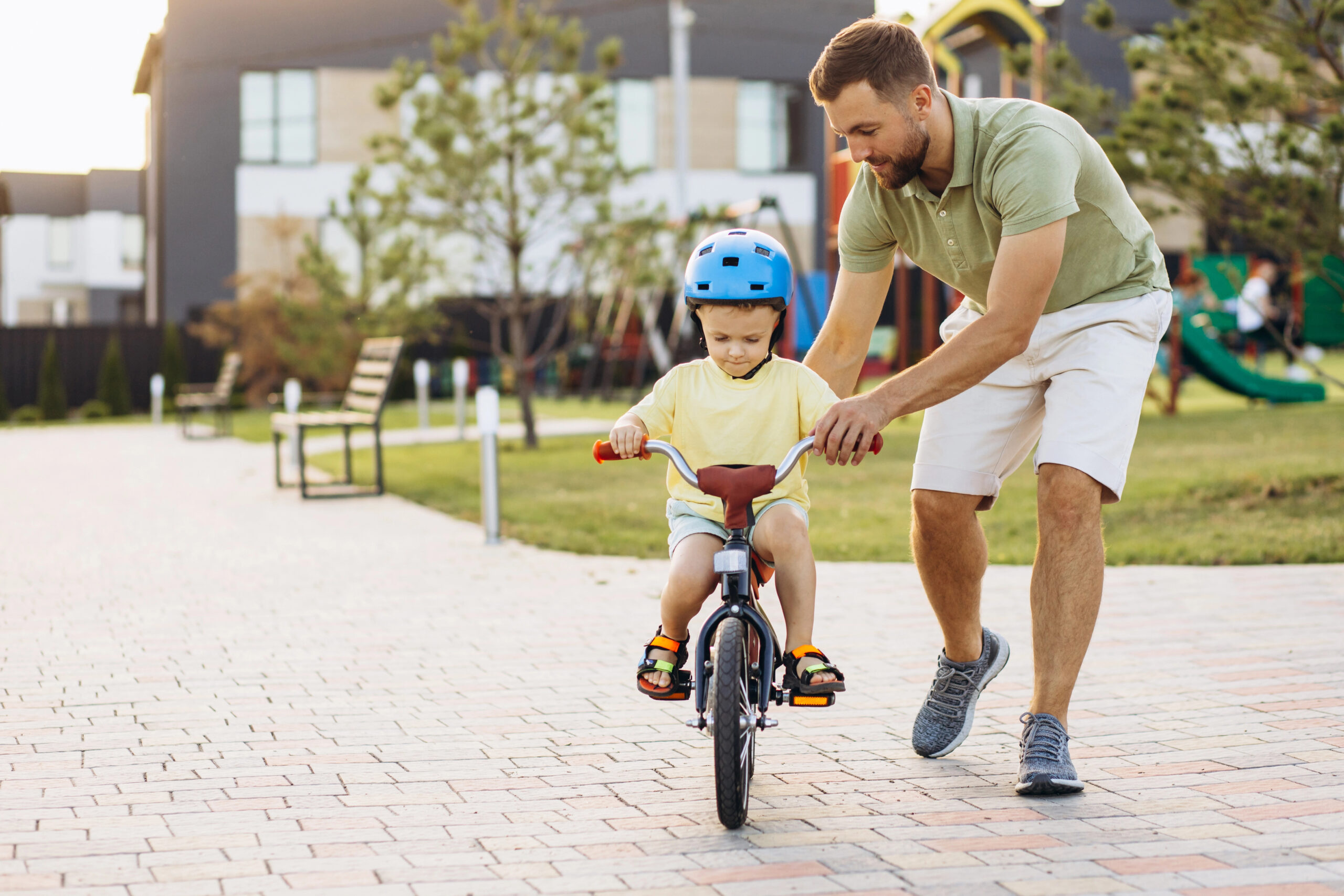
Research from the American Academy of Pediatrics emphasizes that safe environments paired with supportive supervision allow children to explore confidently while reducing the risk of injury. When children know an adult is nearby and supportive, they are more willing to try new things, test their abilities, and engage more fully in play. This balance of freedom and guidance helps children build physical awareness, decision-making skills, and a growing sense of independence, all within a secure, predictable setting.
The Everyday Moments That Matter Most
Spring safety often lives in the small, in-between moments. A quick check of the playground surface before play. Noticing how warm the slide has become in the afternoon sun. Taking a moment to reapply sunscreen before heading back outside.
These are not big disruptions to the day. They are simple pauses that help children stay comfortable and protected as they play.
Children also rely on consistency as routines shift. Moving from indoor to outdoor play, adjusting to later evenings, and navigating new environments can feel exciting and unfamiliar at the same time. A calm, steady approach helps them feel secure through those transitions.
Outdoor Play and Growing Confidence
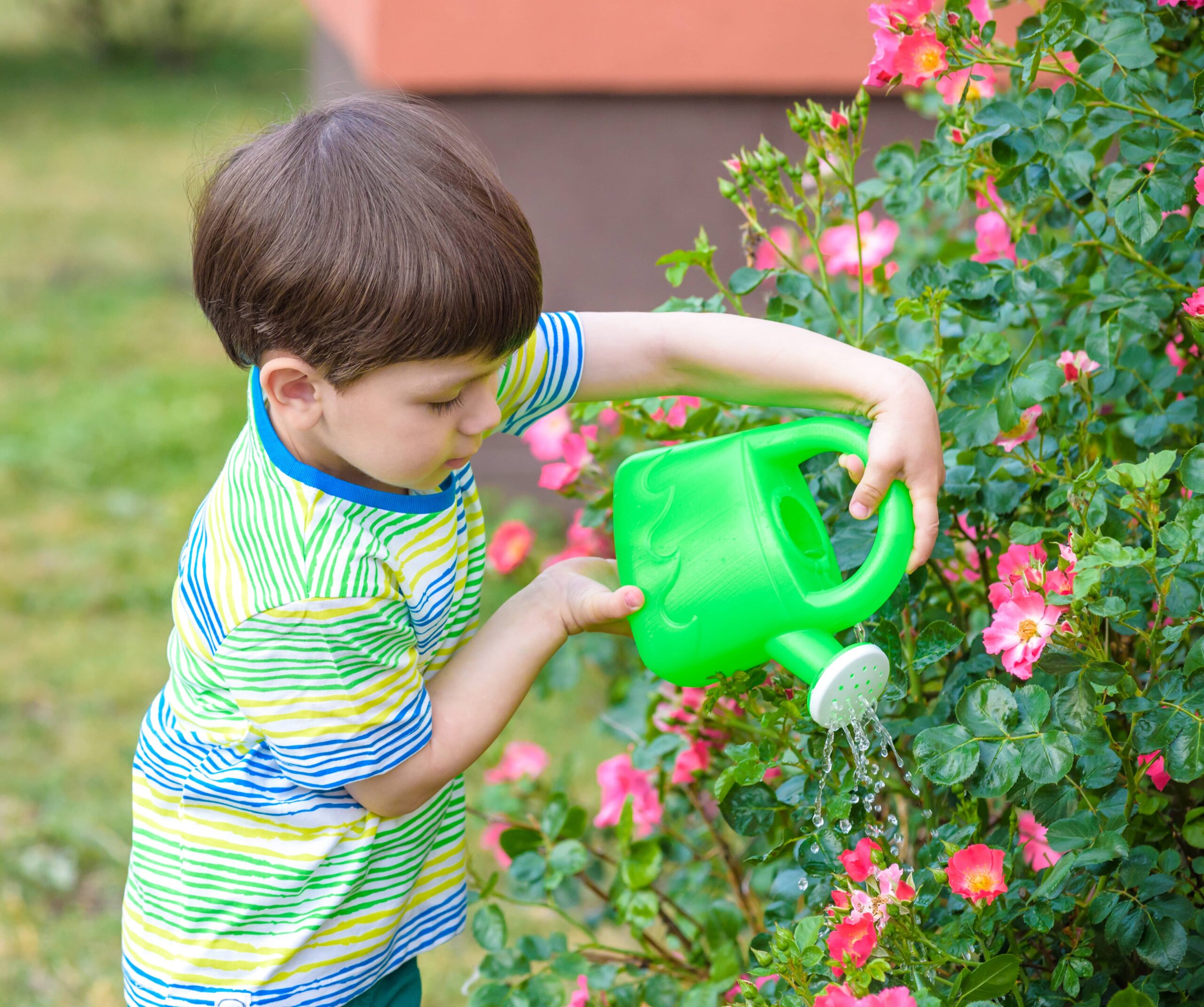
Outdoor play is one of the most valuable parts of early childhood development. It supports physical strength, coordination, creativity, and social connection. It also introduces new variables that children are learning to navigate in real time.
As children climb, run, and explore, they begin to understand their own limits. They learn how to move safely, how to assess risk, and how to try again when something feels challenging.
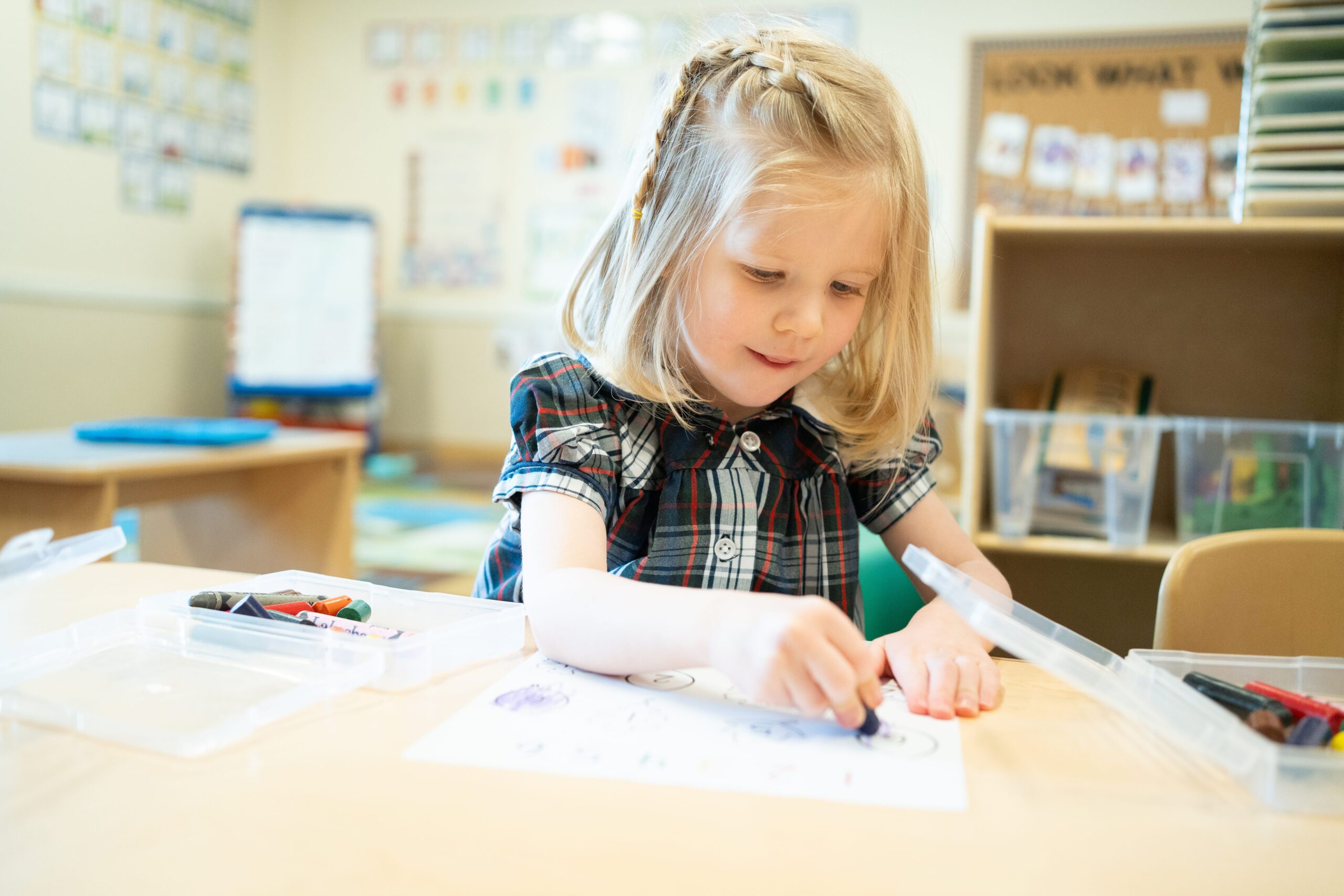
“Safety and confidence grow together,” says Chloe Nelson, Executive School Director of The Gardner School of Minneapolis (MN). “When children feel supported, not restricted, in their environment, they begin to trust their own judgment. That trust is what allows them to take appropriate risks, build independence, and grow in meaningful ways.”
This balance of support and independence helps children develop both awareness and confidence. It also strengthens their ability to make safe choices, navigate new environments, and build the self-trust that supports long-term growth.
A Few Seasonal Shifts to Keep in Mind
Spring does not require a long checklist, but there are a few areas where awareness can go a long way. As children spend more time outdoors, sun exposure becomes part of the daily routine. Applying sunscreen before outdoor play and reapplying as needed helps protect sensitive skin.
Playground surfaces can vary from one space to another. Taking a quick look at mulch, turf, or pavement helps ensure a safe place to land during active play. It is also helpful to notice how equipment changes throughout the day, especially as it warms in the sun.
Routines may shift as well. Later bedtimes, more outdoor activity, and busier afternoons can affect how children transition between activities. Keeping familiar touchpoints in the day, like a consistent goodbye or a predictable wind-down routine, can help children feel grounded.
Why Safety Is About More Than Preventing Accidents
Safety is not just about preventing accidents. It is also about helping children feel secure enough to explore, try new things, and build confidence in their surroundings.
When children feel safe, they are more likely to take healthy risks, engage with others, and develop independence. These experiences are an important part of how they grow socially, emotionally, and physically.
A Season for Growth and Exploration
Spring is a season full of possibilities for young children. It brings new sights, new spaces, and new opportunities to explore the world around them. With a thoughtful approach to safety, these experiences become even more meaningful.
At The Gardner School, we see this balance every day. Children are encouraged to explore, try new things, and build confidence in environments designed with care and intention. Small moments of awareness help create spaces where children feel both safe and inspired.
Because in these early years, safety is not just about protection. It is about creating the foundation that allows children to grow, connect, and discover all they will become.