

Gratitude goes so much deeper than a simple thank you for passing the peas (although that’s a great start!). Many parents want to cultivate a spirit of gratefulness in their children, but they aren’t sure how to go about it. Just in time for Thanksgiving, here are several ways you can welcome the holidays with gratitude, warmth, and thankfulness.
1. Catch kids saying thanks.
At certain moments, like after a fun trip to grandma’s house or another special outing, your child’s gratefulness may bubble up naturally. When you hear your child say, “Thanks for such a fun day!” respond with: “You’re welcome! I love that you used that word to show me how you felt.” By subtly pointing out a child’s natural instinct for gratitude, you can plant the seeds of more expressions of thankfulness in the future.
2. Write or draw thank you cards.
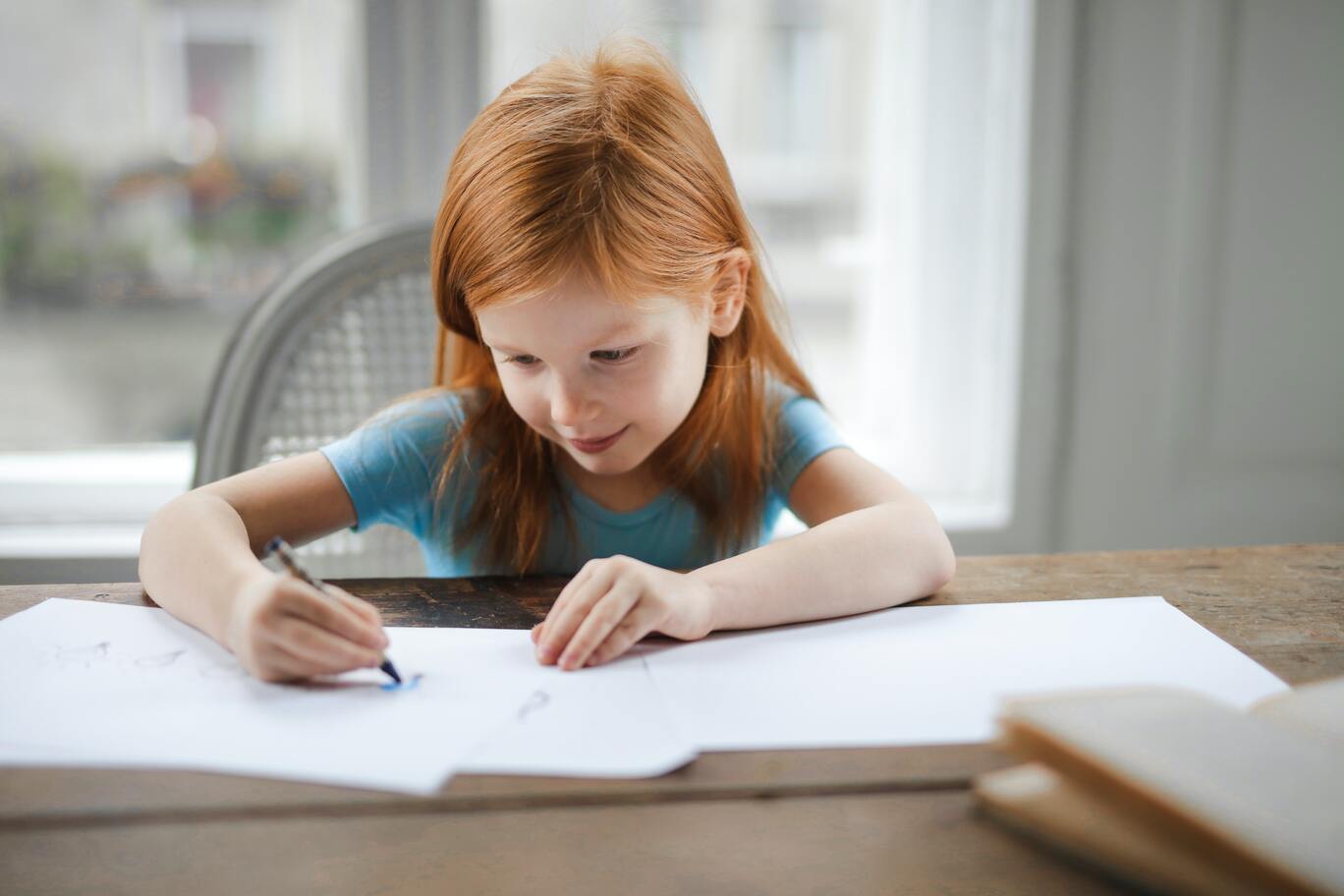
It’s an old standby for a reason: writing a thank you card to someone invites kids to pause and feel gratitude for a loved one or a gift from a friend. To prevent thank you notes from becoming a chore, keep them light and lowkey, and save them for extra special acts of kindness. Weave making the thank you cards into your daily activities. First, break out the art supplies for a little drawing session. While they’re drawing, bring up the person and recap the kind gesture or gift. Dedicate the drawing session to that person. Once the masterpieces are finished, add a simple “thanks” or your child’s “signature” before sending it in the mail.
3. Thank your kids for their kindness and helpfulness.
Everyone loves to feel appreciated. When your child goes above and beyond to show kindness or help another person, thank them for it! By associating a kind act with positive verbal reinforcement, they’ll see that helping others makes everyone feel good — including the helper.
4. Add gratitude to your bedtime routine.
Many preschoolers have bedtime routines that involve baths, books, and a big hug. At the end of the night, ask your child to recall one thing they felt thankful for that day. By priming them to recall positive events, you’ll orient their developing brain towards optimism. Gratitude has so many positive effects on the brain, including activating the hypothalamus and increasing dopamine.
Choose a Preschool That Supports Giving Back
The Gardner School understands the value of providing ways for children to help others. We believe that it’s important to teach gratitude early by giving back to the community because involving children in the practice of gratitude is essential to teach them empathy and kindness. To learn why parents choose The Gardner School for their children to grow and learn, contact us to learn more or to schedule a virtual tour.