The first day of preschool begins an exciting new routine for the entire family. Parents may wonder how their child will handle drop-off and what happens after they leave, while children may feel excited one moment and unsure the next. Both reactions are very normal.
Think about the first week as a period of adjustment rather than focusing only on the first day. A predictable routine, a brief goodbye, and regular communication with teachers give Lake Elmo-Woodbury families a practical foundation for a great start to the preschool year.
A simple first-week preschool plan:
- Practice the morning routine before the start date
- Prepare clothing and school items the night before
- Use the same short goodbye each morning
- Let the teacher guide the transition into the classroom
- Keep after-school conversations relaxed
- Look for progress across the week rather than after one drop-off
Prepare for the First Day of Preschool Before It Arrives
Children usually feel more comfortable when they know what will happen that day. It’s best to avoid surprises by discussing the new routine in clear, simple language. Tell your child who will take them to school, what they might do after arriving, and who will return at pickup time.
Visiting the school before the first day also makes the setting more familiar. A visit lets your child explore at a relaxed pace with you nearby. If possible, show your child where you will enter, where their belongings will go, and where you will say goodbye. A calm explanation gives children useful information without adding pressure to feel excited.
Build a Preschool Morning Routine That Leaves Room for Delays
A preschool morning routine works best with extra time. A missing shoe, unfinished breakfast, or traffic delay near I-94 can quickly make adults feel rushed. The night before, prepare their backpack, choose clothes, and decide what’s for breakfast. Those small steps can make the first morning less stressful.
Keep the order of events consistent whenever possible: wake up, get dressed, eat breakfast, gather school items, and leave. Young children may not understand the clock, but they will recognize a sequence of events that is familiar to them. That predictability helps the transition feel less abrupt.
Keep Preschool Drop-Off Warm and Brief
Choose a goodbye that the family can repeat each day. It might include one hug, a short phrase, and a wave at the classroom door. Tell your child when you will return in terms they understand, such as after afternoon snack, rather than naming a time on the clock.
Once the goodbye is complete, let the teacher welcome your child into the classroom. Returning for another hug may make the separation harder. The first drop-off is often harder for parents than it is for children! Families can find more ideas in these tips for an easier preschool drop-off.
Expect the Preschool Transition to Change From Day to Day
A smooth first day does not guarantee a smooth second day. Some children feel excited about the new preschool experience at first but become more anxious later in the week. Others struggle with the first goodbye but become more comfortable once they understand the classroom routine.
Some children will cry at drop-off, and some won’t. Advance visits and strong routines can help prepare your child for drop-off. Your child may begin talking about a teacher or a new friend, remember part of the schedule, carry their backpack inside, or recover more quickly after saying goodbye. The adjustment period looks different for every child.
Stay Connected With Your Child’s Teacher
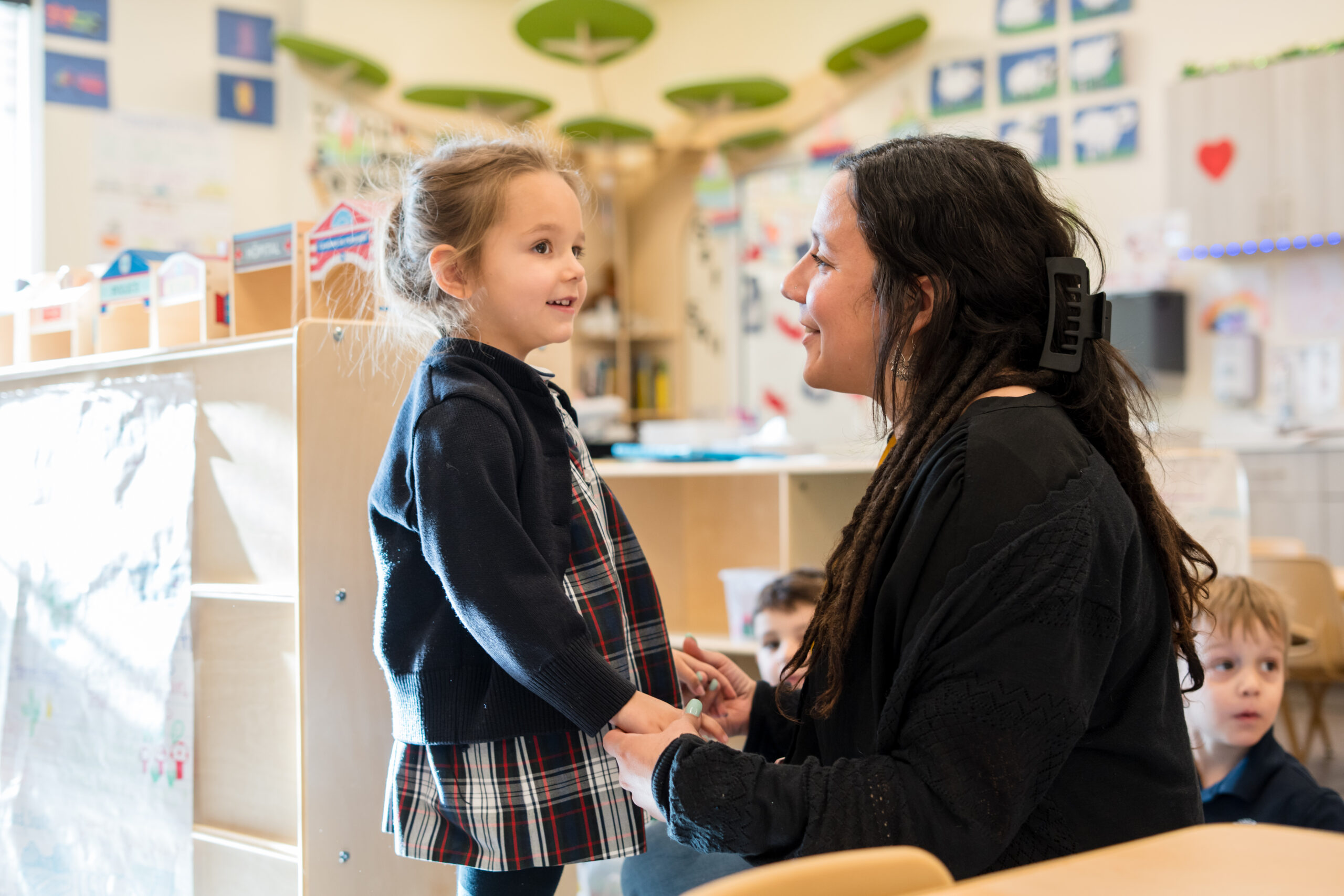
Teachers see what happens after families leave, which gives them an important perspective on the transition. You can share information that may help teachers welcome your child, such as a favorite activity, a comforting phrase, or a recent change at home. Sharing these details helps teachers get to know your child.
At The Gardner School of Lake Elmo-Woodbury, families receive real-time updates through the parent communication app. The school also has an open-door policy for daily check-ins. These points of contact help parents understand how their child is settling into the new routine.
“The first week is a big adjustment, and it does not have to look the same for every child,†said Lindsey Mayer, School Director of The Gardner School of Lake Elmo-Woodbury. “Some children walk right in, while others need extra reassurance for several mornings. When families tell us what they are seeing at home, we can work together to make that transition easier.â€
Give Children Space to Talk After Preschool
“What did you do today?†may feel too broad after a full day. Ask about one part of the routine instead, such as what your child ate or whether they heard a story. If they do not want to answer, reconnect through a snack, quiet play, or time together.
With the new schedule, your child may seem more tired than usual or want to stay closer to you at pickup. During the first week, try to keep evenings simple. An earlier bedtime and fewer scheduled activities will give your child time to adjust.
Starting Preschool at The Gardner School of Lake Elmo-Woodbury
At The Gardner School of Lake Elmo-Woodbury, preschoolers follow a consistent daily schedule that combines teacher-guided learning, open-ended play, classroom routines, and enrichment activities. Teachers help children learn what to expect while building relationships that make the classroom feel familiar.
No family has to manage the first day perfectly. A steady morning routine, a confident goodbye, and regular communication with teachers will help children settle into their new preschool routine.