There are certain people children carry with them long after the preschool years. A teacher who greeted them every morning. A friend who sat beside them at lunch. A familiar voice that made them feel safe in a new place.
In early childhood, relationships are not just part of the experience. They are the foundation for how children learn, grow, and see themselves in the world.
For parents exploring preschool or childcare, it is natural to focus on curriculum and daily routines. Just as important are the connections children build along the way. These early relationships shape confidence, communication, problem-solving, and a sense of belonging that lasts well beyond the classroom.
Why Relationships Matter in Early Childhood Development
Children learn best when they feel safe, known, and supported. Strong relationships create that environment. When a child trusts the adults around them, they are more willing to:
- Try something new
- Ask for help
- Express their thoughts and feelings
- Build connections with other children
These moments may seem small, but they create a powerful sense of security. Strong relationships also support language development, problem-solving, and the confidence children need to engage deeply in learning experiences. Through everyday conversations, collaborative play, and responsive interactions with trusted adults, children strengthen vocabulary, communication skills, and expressive language in ways that feel natural and meaningful.
The Role of Teachers: More Than the Classroom
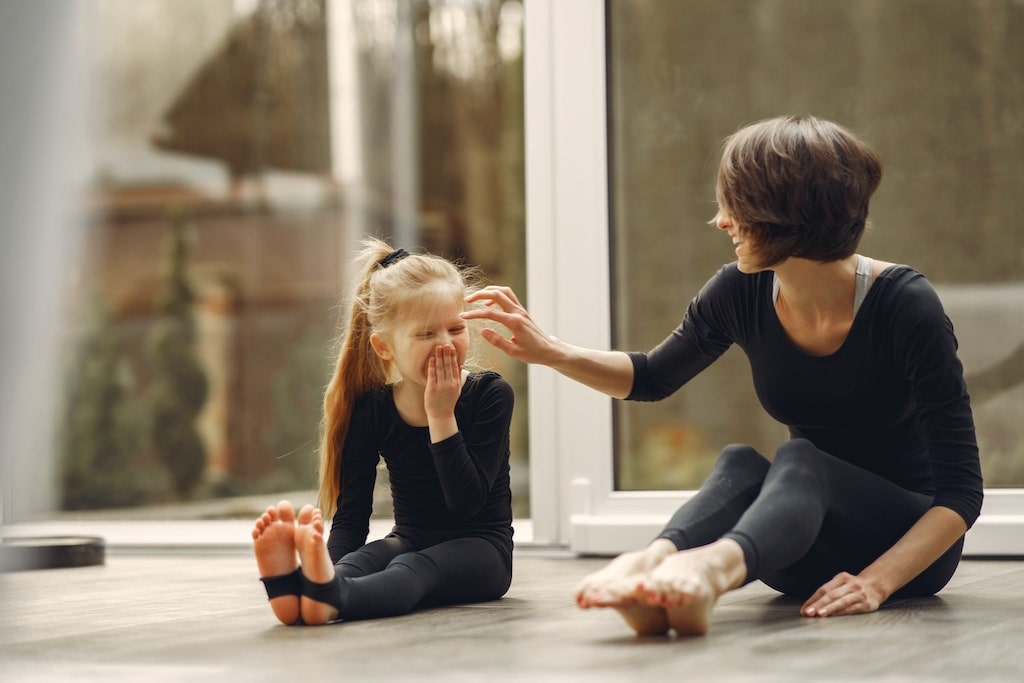
In the early years, teachers often become some of the most important people in a child’s day. They are a steady presence during transitions, a guide through new experiences, and a source of comfort and encouragement as children learn to navigate the world around them.
Children notice consistency in ways that can be easy to overlook. They remember who helps them zip their coat, who celebrates their effort, and who listens closely when they have something to say. These small, everyday interactions build trust over time and help children feel secure in their environment.
“Children build confidence through connection,” says Carrie Knoch, Executive School Director of The Gardner School of Powell (OH). “When they feel truly known and supported by the adults around them, they’re more willing to take risks, form friendships, and engage with the world around them.”
That sense of trust creates the space where learning naturally follows. As children build strong relationships with teachers, they are more likely to ask questions, express ideas, work through challenges, and stay engaged during learning experiences. Responsive adults help guide children through problem-solving, collaboration, and moments of persistence that support both social and cognitive growth.
Research from the Center on the Developing Child at Harvard University shows that early relationships with responsive adults play a central role in shaping how children learn, build confidence, and manage emotions over time.
Friendships That Begin Early
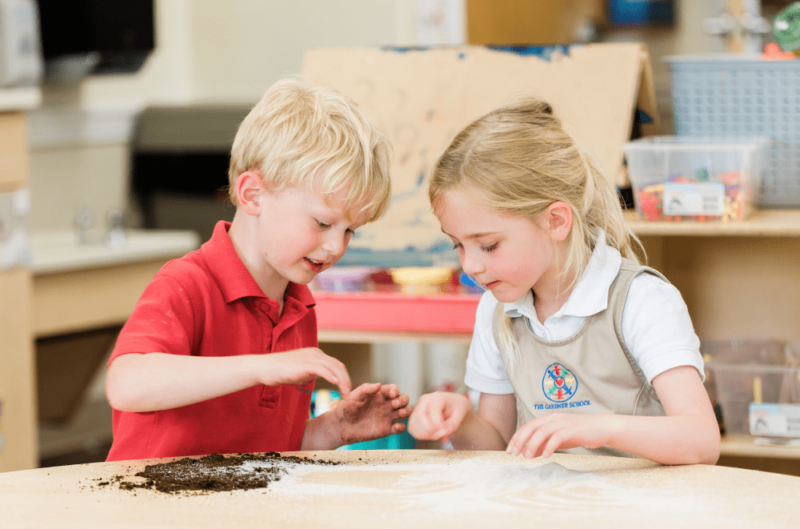
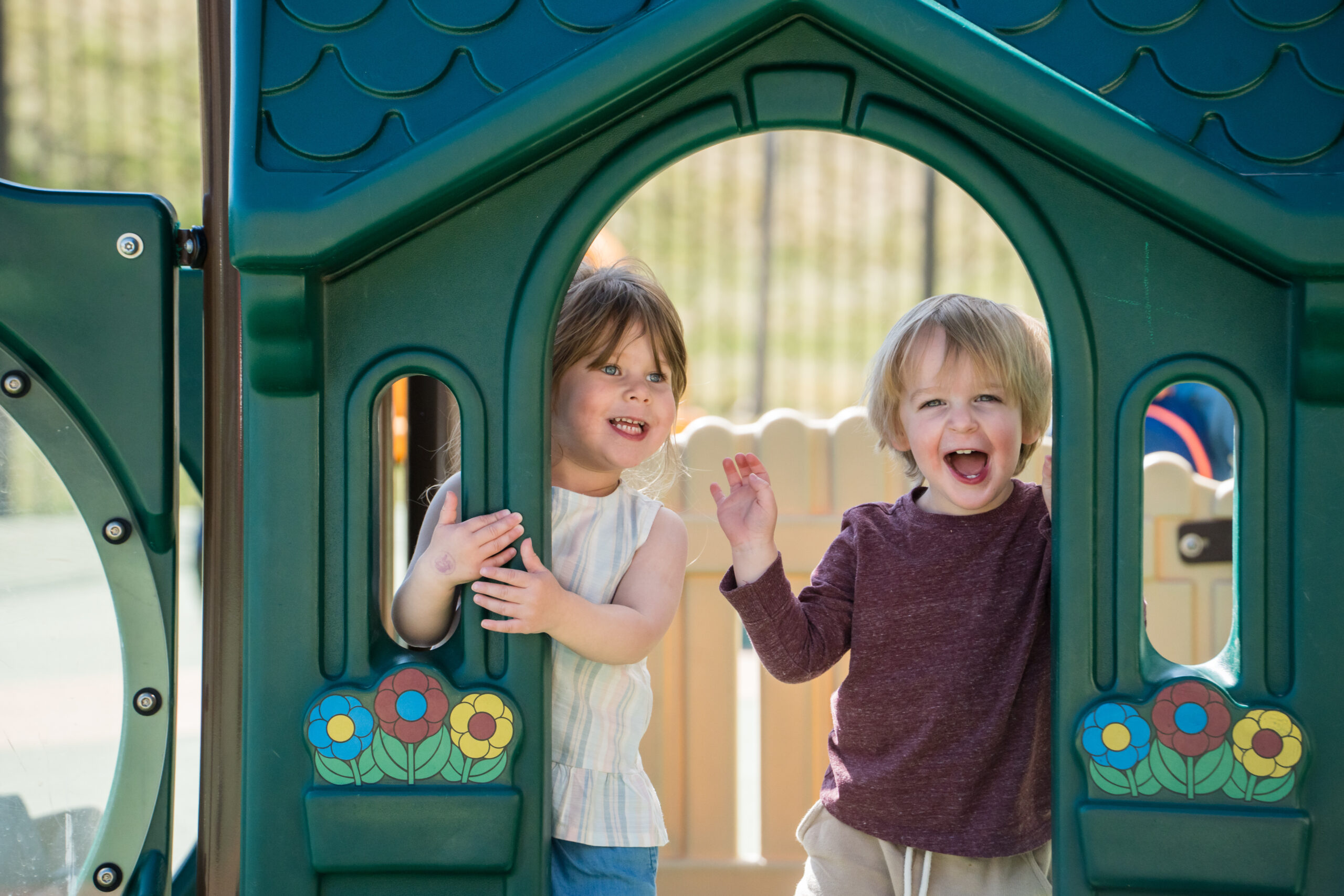
Friendships in early childhood may look simple, but they carry real meaning. What begins as playing near one another often grows into shared laughter, familiar routines, and the early foundations of connection.
You might notice two children choosing to play together each day, laughing during a favorite story, or offering comfort when a friend is upset. These moments are more than sweet interactions. They are opportunities for children to practice communication, build expressive language, begin to understand emotions, and learn how to work through experiences together. During play, children negotiate roles, solve small disagreements, collaborate on shared ideas, and practice flexibility in real time.
Belonging Builds Confidence
One of the most powerful outcomes of early relationships is a true sense of belonging. When children feel like they are part of a group, they begin to see themselves as capable, valued, and confident in their place within that environment.
Belonging is not created through big or elaborate moments. It grows through daily experiences that feel consistent and genuine. A warm greeting at drop-off, a teacher who knows their favorite story, or a classroom where they feel recognized all contribute to that sense of connection.
Over time, these everyday interactions help children feel secure enough to explore, try new things, and build meaningful relationships with others.
What Stays With Children Longer Than We Realize
It is natural to assume that children will outgrow these early relationships as they move on to new classrooms and experiences. They carry them forward in lasting and meaningful ways.
Children remember how they felt in those environments, the trust they built with caregivers, and the confidence they gained through connection. These early relationships shape how children approach new teachers, form friendships, communicate with others, and respond to new challenges and learning experiences.
A strong foundation of relationships gives children the confidence to step into what comes next with a sense of security and self-assurance.
A Place Where Connection Comes First
At The Gardner School, relationships are at the heart of everything we do. From the first greeting in the morning to the last goodbye of the day, we focus on creating a community where children feel known, supported, and connected.
Children thrive most when the relationships between school and home feel connected, supportive, and consistent. Strong family partnerships help children feel secure across environments and reinforce the sense of trust and belonging that supports growth.
It is in those small, consistent moments that children build trust, form friendships, and grow into themselves. Because long after preschool, it is not just what children learn that stays with them. It is how they felt, who they connected with, and the confidence they carry forward.