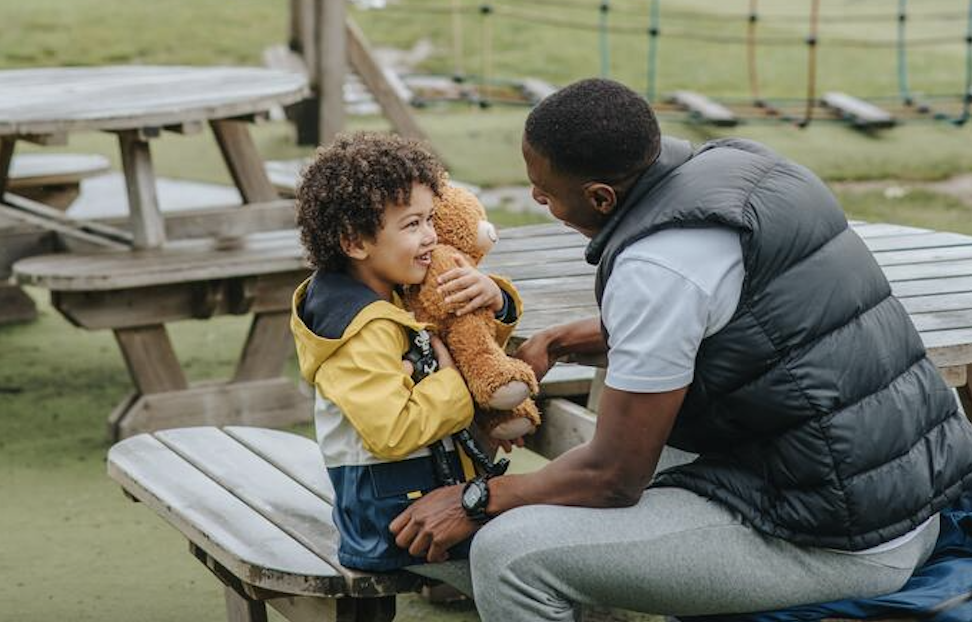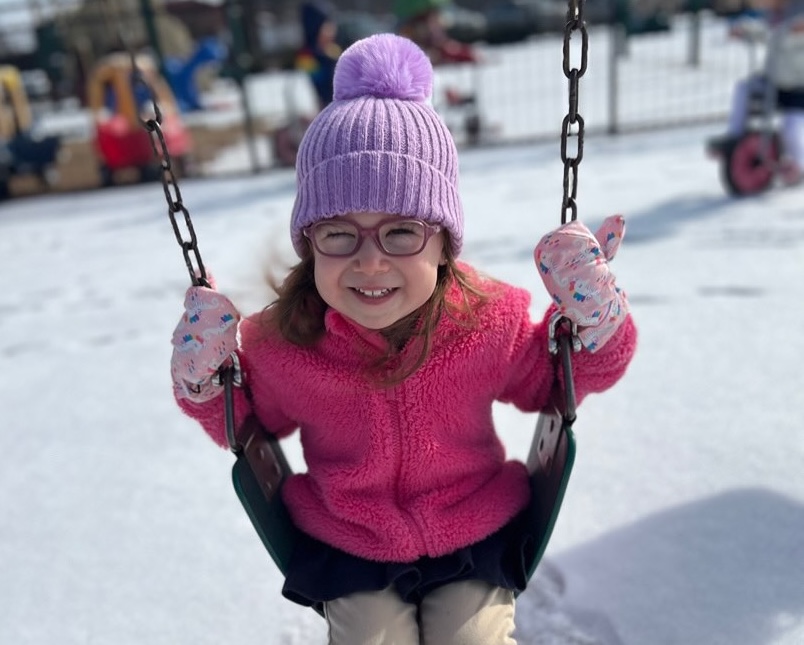
When the weather turns cold, parents everywhere begin the same ritual: layering coats, finding mittens, and looking for ways to keep children active indoors. Shorter days and bundled routines can make it harder for little ones to burn energy, but those moments of jumping, climbing, and balancing are more than bursts of play. They are how children build coordination, strength, and confidence. At The Gardner School, we know movement is learning. Every tumble, reach, and stretch is part of a child’s story of growth.
Why Movement Matters in Early Childhood
Gross motor development begins with the big, visible movements, like walking, running, and climbing. But it also includes the invisible work of motor planning. When a child decides how to climb a structure or where to land after a jump, they are strengthening both muscles and mind. Educators often say movement builds the body and organizes the brain.
According to Zero to Three, these early physical skills connect directly to later abilities such as focus, problem-solving, and even reading readiness. Crossing the midline, balancing on one foot, or coordinating both hands during play helps the brain’s left and right hemispheres communicate effectively.
Encouraging these moments helps children feel capable and in control of their own bodies. That sense of physical confidence supports emotional resilience too, giving children the courage to try, the patience to practice, and the joy of success.
Supporting Gross Motor Growth Indoors
When outdoor time is limited, everyday spaces can become classrooms of movement. These educator-approved ideas go beyond “running around the living room.”
- Cross the midline. Encourage children to reach across their bodies to grab toys or stack blocks. This builds brain coordination, which is later used for reading and writing.
- “Heavy” work is fun. Have children push a laundry basket of soft toys or carry lightweight items. This strengthens core muscles and supports body awareness.
- Slow balance challenges. Walking heel-to-toe on a line of tape or balancing a soft object while moving slowly develops focus and self-control.
- Patterned movement. Clapping, stomping, or marching to a steady rhythm improves timing and listening skills, both of which are key to early literacy.
- Pretend and story play. Act out simple themes like “Let’s move like snowflakes” or “Animals getting ready for winter.” Combining imagination and movement builds both creativity and coordination.
Short, frequent bursts of movement work best. The variety of fast and slow, big and small, quiet and noisy play helps children regulate attention and emotion throughout the day.
Outdoor Exploration with Purpose
Even brief outdoor time in winter offers powerful benefits. Walking on uneven ground builds balance and strength. Feeling cold air, wind, or snow gives children rich sensory input that supports brain development. Parents can make outdoor time meaningful by:
- Letting children help with real “heavy work,” such as shoveling snow or carrying birdseed.
- Turning exploration into learning by counting footprints or observing different textures.
- Talking about how the air, light, and sounds change in winter to build sensory language and awareness.
The National Association for the Education of Young Children (NAEYC) reminds families that outdoor play teaches adaptability and self-regulation. These are skills that serve children far beyond the playground.
How The Gardner School Keeps Kids Moving
At The Gardner School, movement and learning are part of every day. Whether children are exploring their classrooms, dancing to music, or stretching during story time, teachers find meaningful ways to keep bodies active and minds engaged.
Many of our schools include indoor playscapes and spacious outdoor playgrounds that provide space for climbing, balancing, and large-motor play throughout the year. In every location, teachers design lessons and transitions that encourage movement, from yoga and rhythm games to creative role play and classroom routines that help children move with purpose.
Each environment is planned with the same goal in mind: to help children build strength, coordination, and confidence through joyful motion. Every hop, stretch, and giggle is a reminder that learning grows stronger when curiosity keeps moving, for all they will become.