There is something comforting about seeing familiar faces at drop-off each morning. A quick smile from another parent or caregiver, a conversation while children race toward the classroom, or a shared understanding of busy mornings can make the early years feel a little more supported. These small connections often become part of the rhythm of family life in ways that are meaningful and lasting.
When families think about preschool, they often focus on their child’s experience. They think about teachers, classrooms, learning opportunities, and friendships. What many families discover along the way is that preschool can also create meaningful connections for the adults in their lives, whether that is parents, grandparents, caregivers, or other loved ones who share in a child’s journey.
The early childhood years are filled with milestones, questions, celebrations, and transitions. Having a community of families, teachers, and school leaders who understand that journey can make these years feel a little less overwhelming and a lot more connected. That sense of belonging matters for children, and it matters for the people cheering them on each day.
Feeling Known and Welcomed Makes a Difference
Families want their children to be recognized by name, greeted warmly, and cared for by people who understand their unique personalities. They also appreciate feeling seen themselves. A familiar greeting at drop-off, a teacher who remembers a recent family vacation, or a director who asks how a new sibling is adjusting can create a powerful sense of belonging.
Strong family-school relationships also support children’s growth. When families feel connected and welcomed, they are more likely to engage in their child’s learning journey and build trusting partnerships with educators. That connection helps children experience consistency between home and school, which supports confidence, emotional security, and social development.
Teacher Partnerships Create Confidence
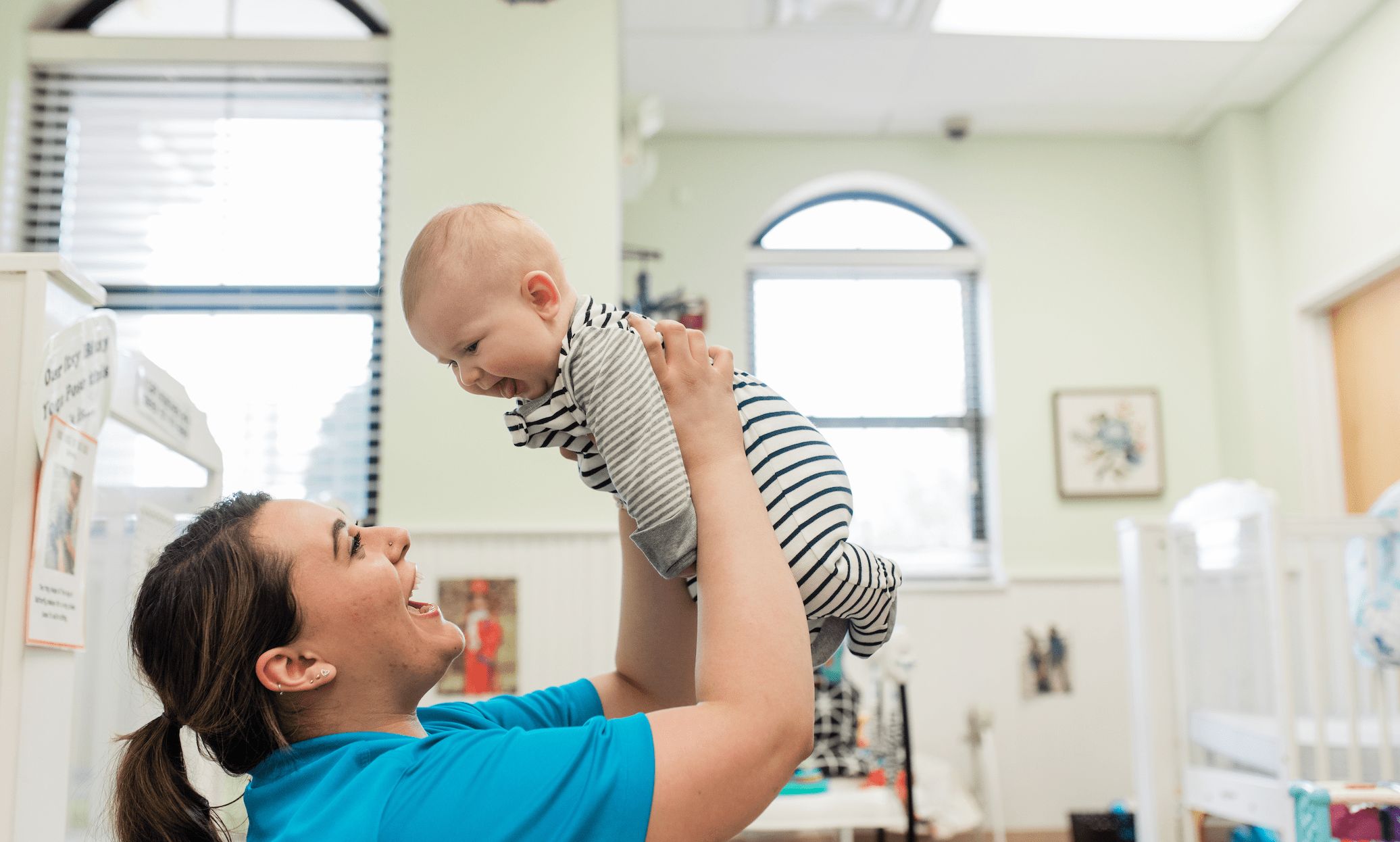
The relationship between families and teachers is one of the most important parts of early childhood education. Young children thrive when the important adults in their lives work together. Regular communication, shared observations, and mutual trust help create consistency between home and school.
“Children thrive when the important adults in their lives work together,” says Heather Larson, Executive School Director at The Gardner School of Minnetonka-Eden Prairie (MN) “Some of the most meaningful growth happens when families and educators share observations, celebrate progress, and support children together. Those relationships create consistency, strengthen trust, and help children feel secure in the environments where they spend their days.”
For families, those relationships often provide reassurance and peace of mind. Knowing there is a trusted teacher who genuinely cares about your child can make busy days feel a little easier. It also helps families feel like they have a true partner in their child’s early development, not just a place their child attends during the day.
Shared Experiences Build Connection
One unique aspect of the preschool years is that many families are experiencing similar life stages at the same time. Children are learning to make friends, navigate new routines, and develop independence. Caregivers are balancing work, family schedules, activities, and the many questions that come with raising young children.
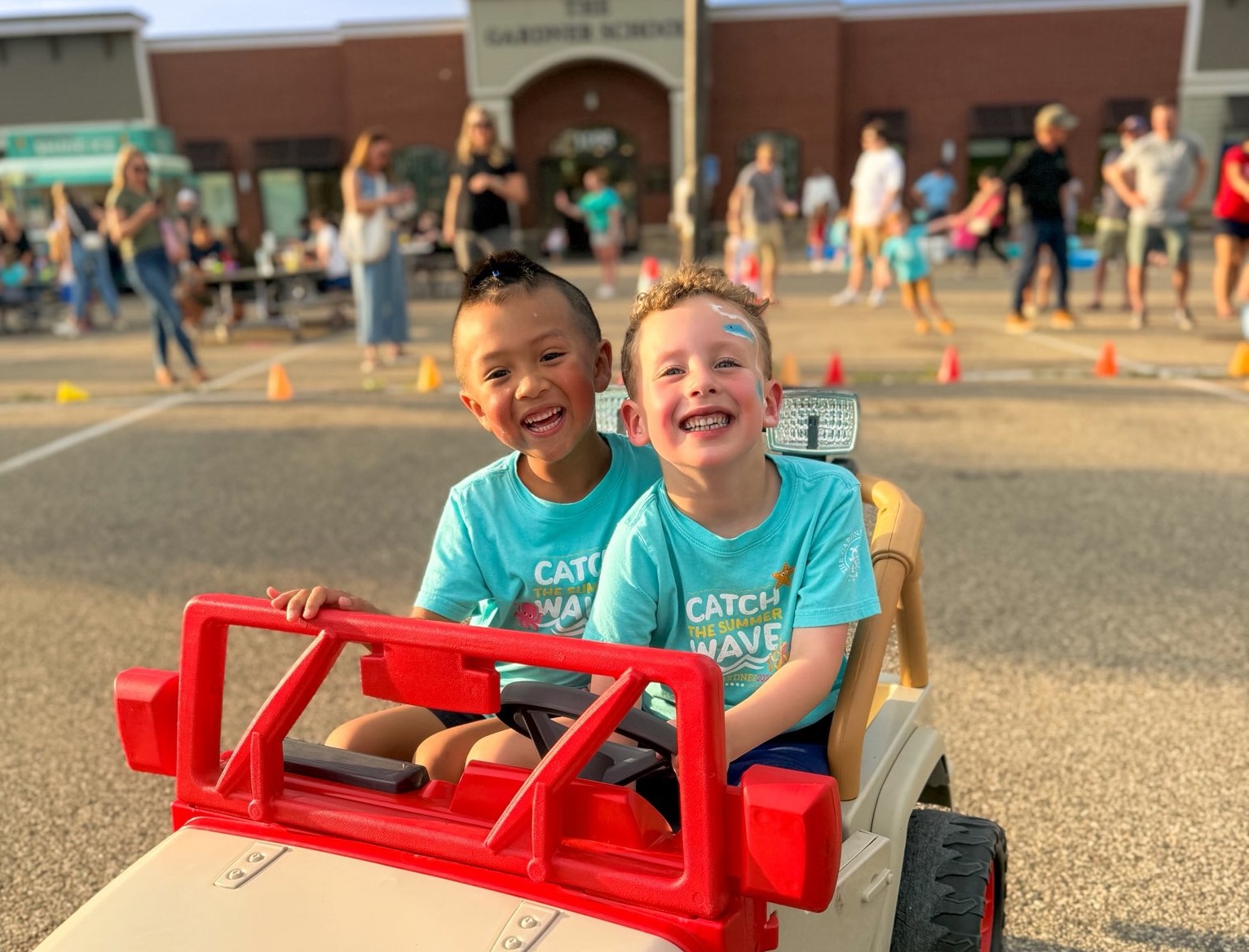
School events, family celebrations, seasonal activities, and classroom gatherings create natural opportunities for connection. These experiences allow families to celebrate milestones together and become part of a larger community. The goal is not to add more to anyone’s plate, but to create moments where families feel welcomed, included, and part of something familiar.
Community Supports Children, Too
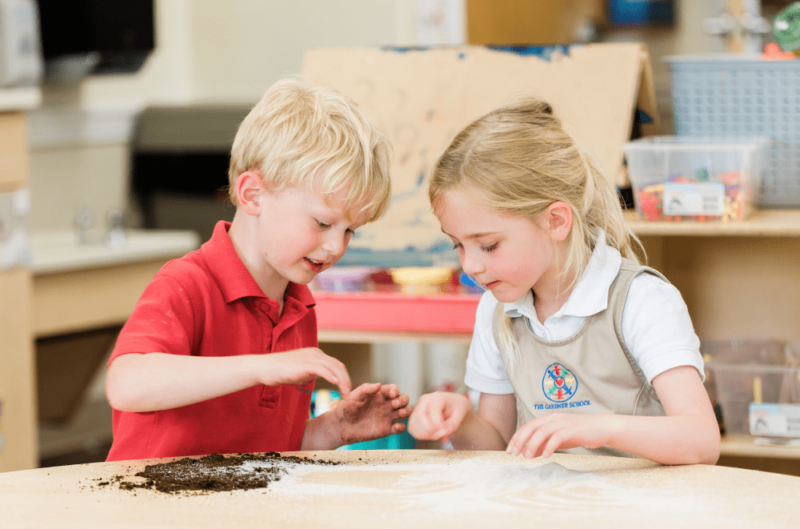
Children notice community just as much as adults do. When children see familiar families at school events, recognize caregivers from classmates’ families, and observe positive relationships between teachers and the important adults in their lives, they develop a stronger sense of belonging. They begin to understand that school is not simply a place they attend.
That feeling of belonging helps build confidence, social skills, and emotional security. Children who feel connected are often more comfortable exploring new experiences, forming friendships, and engaging in learning. The relationships surrounding a child become part of the environment that helps them thrive.
For young children, community is not an abstract idea. It is the teacher who greets them warmly, the classmate who saves them a spot, the familiar face at a school event, and the family member who feels welcomed at pickup. Those moments help children understand that they are known, supported, and part of something caring.
A Place Where Families Belong
The preschool years pass quickly. Before long, children move on to kindergarten and begin new chapters. Yet many families find that the relationships formed during these early years continue long after graduation.
The conversations at drop-off, the trusted teacher partnerships, the school events, and the shared milestones often become some of the memories families cherish most. Those experiences create a sense of connection that extends beyond the classroom. They help families feel supported during a season of life that is full of growth, change, and discovery.
At The Gardner School, we believe learning begins with care, and that care extends to the entire family. When children feel known, when families feel supported, and when relationships are built on trust, a stronger community naturally follows.