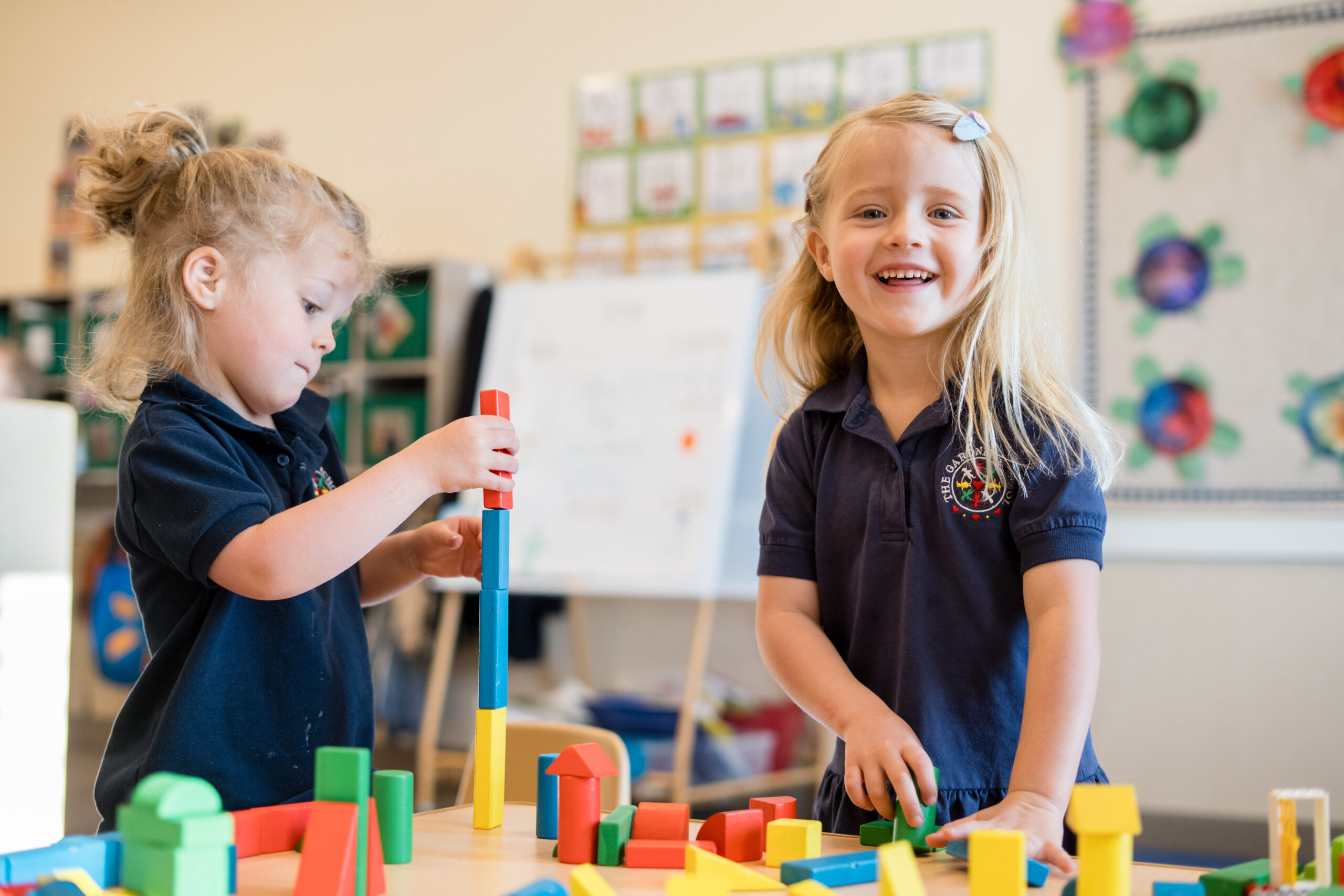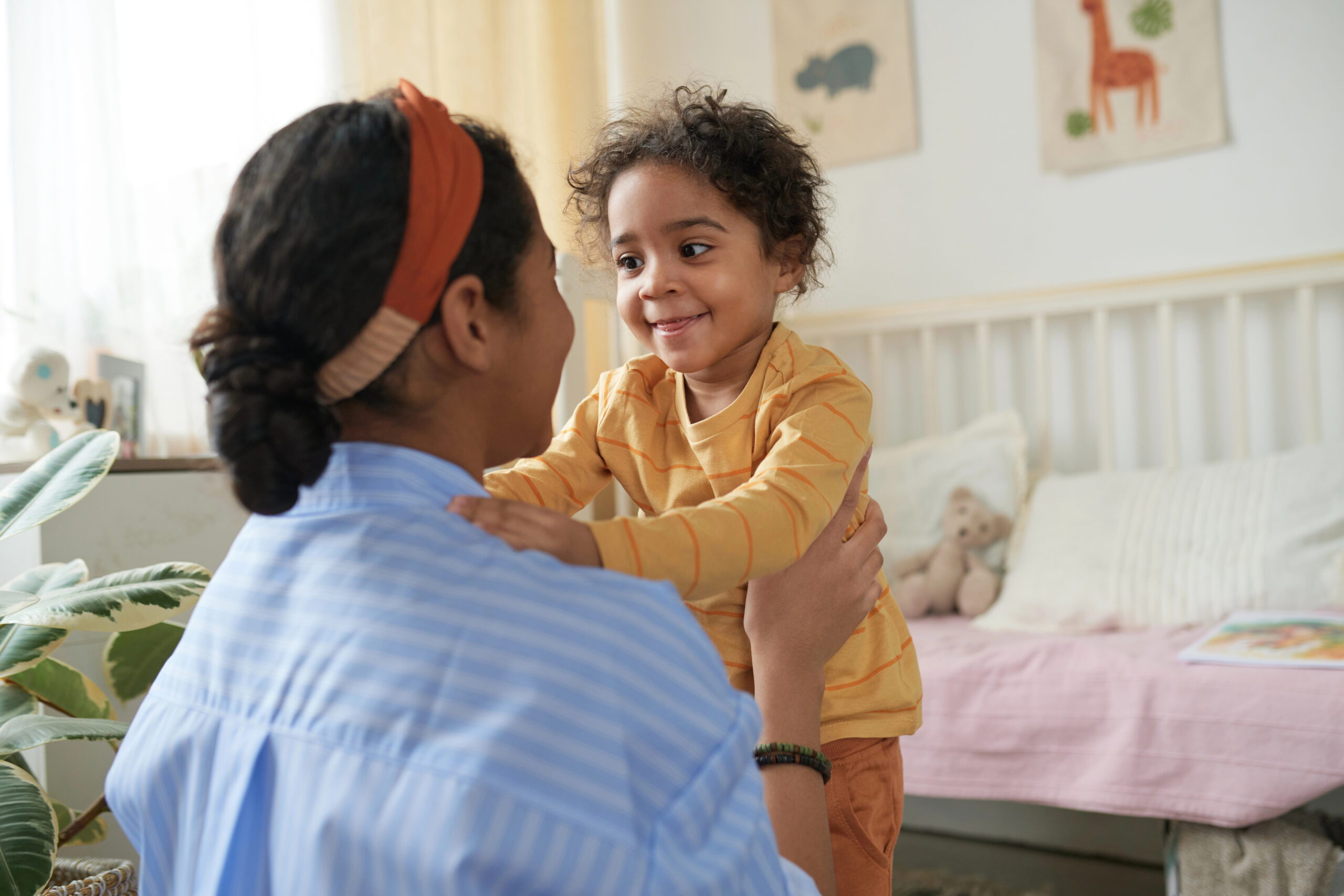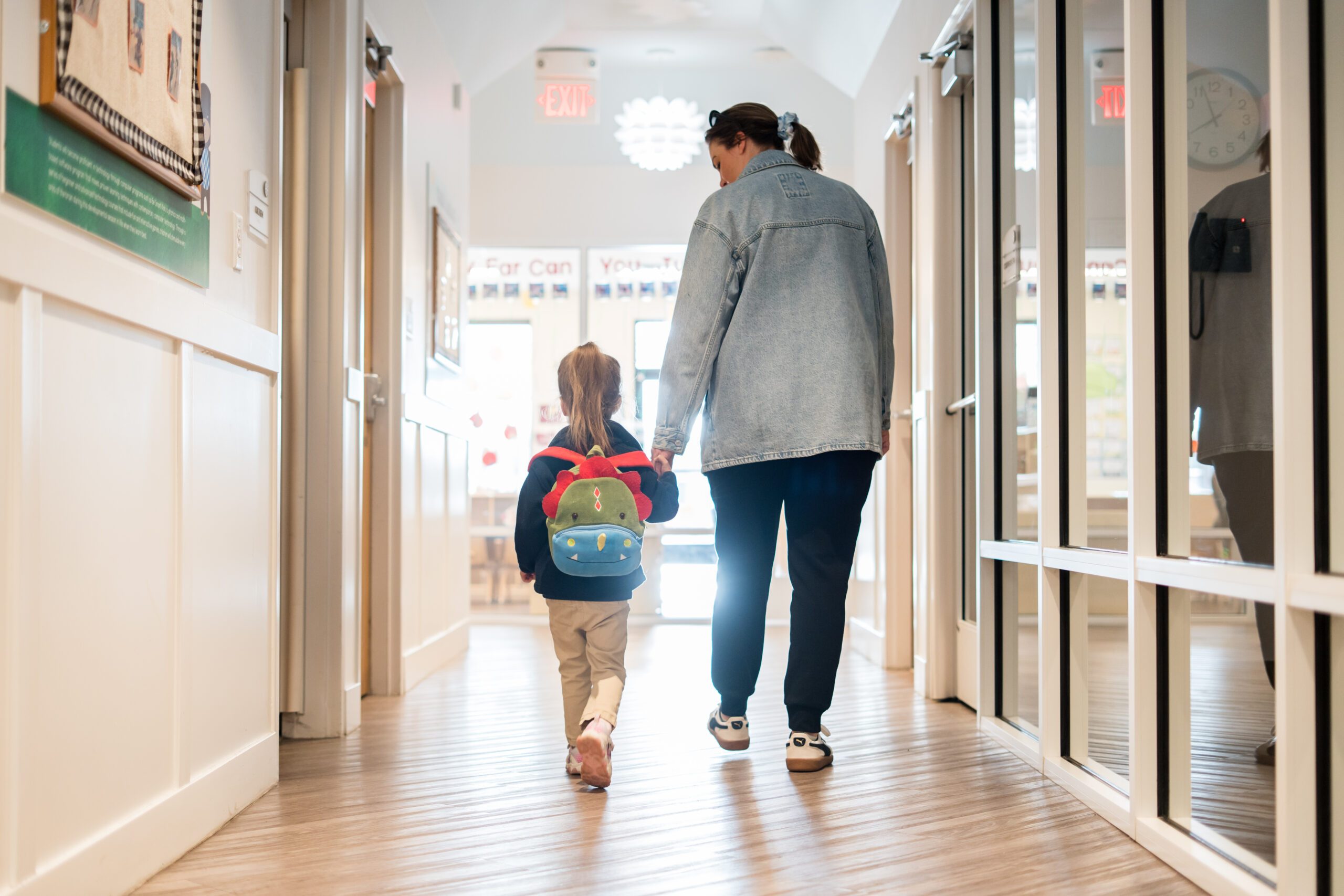
One of the most rewarding moments in preschool isn’t when a child masters the alphabet or counts to 20. It’s watching a child beam with pride after zipping their own coat, solving a disagreement with a friend, or confidently saying, “I can do it myself.”
To adults, these moments may seem small. To young children, they’re the building blocks of confidence.
At The Gardner School, we know that independence doesn’t appear overnight. It develops gradually through caring guidance, meaningful practice, and opportunities to try, make mistakes, and try again. Those everyday experiences help prepare children not only for kindergarten but for all they will become.
Independence Starts with Everyday Moments
When parents think about kindergarten readiness, it’s easy to focus on academic skills like recognizing letters, counting, or writing a name. Those are important, but experienced early childhood educators know that confidence and independence often make the biggest difference.
Children who feel capable are more willing to participate, solve problems, ask questions, and embrace new experiences. Those qualities help them thrive both inside and outside the classroom.
“The biggest growth we see often happens in the everyday moments,” says [Director Name], School Director at The Gardner School of [Location]. “Every time a child accomplishes something on their own, they build confidence that carries into everything else they do.”
The Little Things Matter More Than You Think
Throughout the preschool day, teachers intentionally create opportunities for children to practice independence. These moments may only take a few extra minutes, but they allow children to experience the satisfaction of doing something for themselves.
Children might:
- Carry their own backpack.
- Choose a classroom activity.
- Help clean up after play.
- Wash their hands independently.
- Work through a small challenge before asking for help.
While these tasks seem simple, they strengthen important life skills like confidence, responsibility, decision-making, and early executive functioning. Children begin to think, I can figure this out.
Independence Doesn’t Mean Doing Everything Alone
One of the biggest misconceptions about independence is that children should be able to do everything by themselves.
In reality, independence grows through supportive relationships. Skilled early childhood educators know when to step in with encouragement, when to offer a gentle reminder, and when to give children just enough space to solve a problem on their own. This balance helps children become resilient without feeling overwhelmed.
Research from the National Association for the Education of Young Children (NAEYC) also emphasizes that children develop independence best when caring adults provide consistent routines, encouragement, and opportunities to make meaningful choices within a supportive environment.
How Families Can Encourage Independence at Home
You don’t need elaborate activities to help your child become more independent. Some of the best opportunities happen during everyday routines.
Try encouraging your child to:
- Carry their own backpack or lunchbox.
- Help set or clear the table.
- Choose between two outfits.
- Put toys away before starting something new.
- Try solving a small problem before stepping in to help.
Remember, the goal isn’t perfection. It’s giving children the chance to practice, learn, and experience the pride that comes from doing something on their own.
Growing Confidence One Step at a Time
Independence isn’t measured by one big milestone. It’s built through hundreds of small moments that happen every day.
Each time a child zips a jacket, makes a thoughtful choice, helps a friend, or keeps trying after something feels difficult, they’re developing confidence that extends far beyond preschool. They’re learning to trust themselves, embrace challenges, and approach new experiences with curiosity.
At The Gardner School, we’re honored to partner with families in nurturing those moments every day. Together, we’re helping children build the confidence, resilience, and love of learning that will support them in kindergarten and throughout life. For all they will become.