

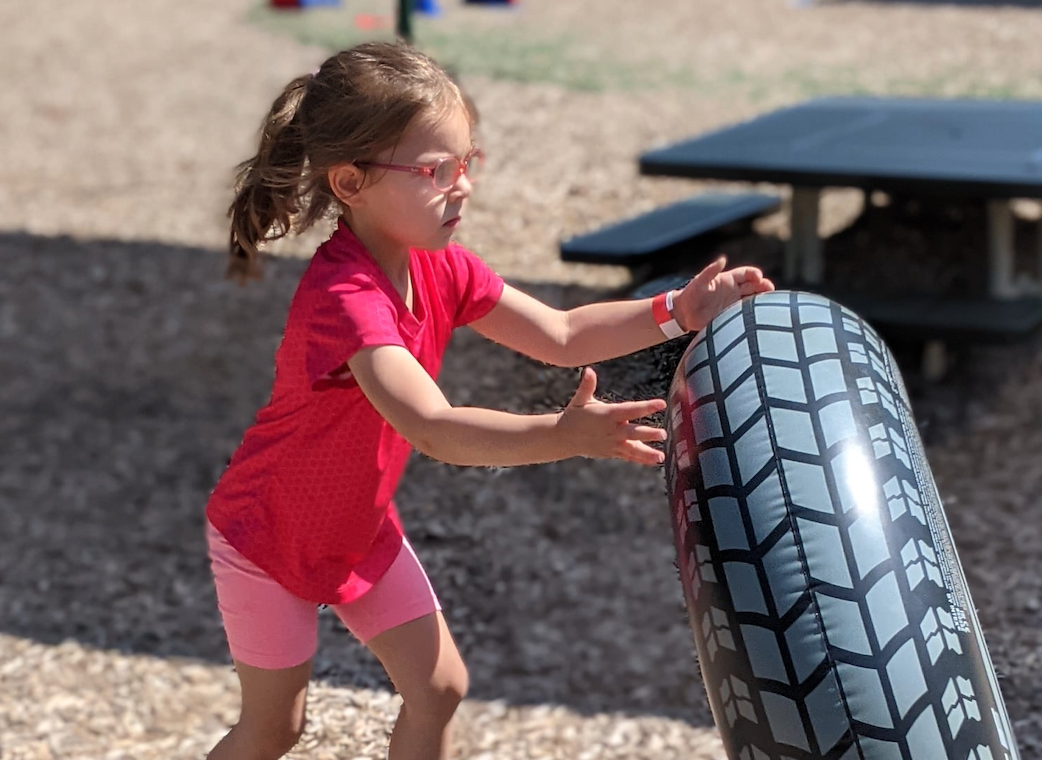
There’s no doubt that physical activity plays an important role in early childhood development. Physical movement has many positive benefits. It helps build neurological connections between developing brains and bodies, gives little ones a burst of serotonin, and improves gross motor skills and hand-eye coordination. With all these benefits, it’s enough to inspire you to grab a ball and start tossing it back and forth immediately, right? So, when your child begins to show interest in sports-related activities or desires to join a local team, we recommend these six guidelines for a smooth, joyful introduction to the wide world of sports!
1. Follow your preschooler’s lead.
One parent may live for basketball, while the other loves long distance running. It may take time and experimentation for your child to find a sport they like. Preschool is the right time to encourage dabbling in all types of activities, including sports. Whether it’s hockey, t-ball, gymnastics, swimming, or ice skating, there may be a sport your child is drawn to. Follow their lead as they try new things and figure out what they like best.
2. Focus on the joy of play and learning.
With preschoolers, place attention on having a good time, making friends, good sportsmanship, and building new skills. Volunteer to bring snacks, sporty stickers, or even playful uniform patches to celebrate the young athletes. Encourage creative team mascot names if you are able to choose based on uniform colors, like the golden bumblebees or spicy dragons. Help make your child’s experience light and fun.
3. Start with the fundamentals.
For young children, team sports might not be the first place to start. You may consider focusing on basic skills, such as jumping, kicking, throwing, and catching before you introduce the complexities of team and game play. Although it may seem simple, a round of catch in the backyard or kicking a ball into a DIY goal like two marked spots in the yard may be more enjoyable for your preschooler. By breaking a skill down into its component parts, they can feel successful anytime a time a ball hits a net, or they are able to jump over a short obstacle. Building positive associations with these actions may make your child more inclined to try a team sport when they’re ready.
4. Celebrate any reason that your child wants to do sports.
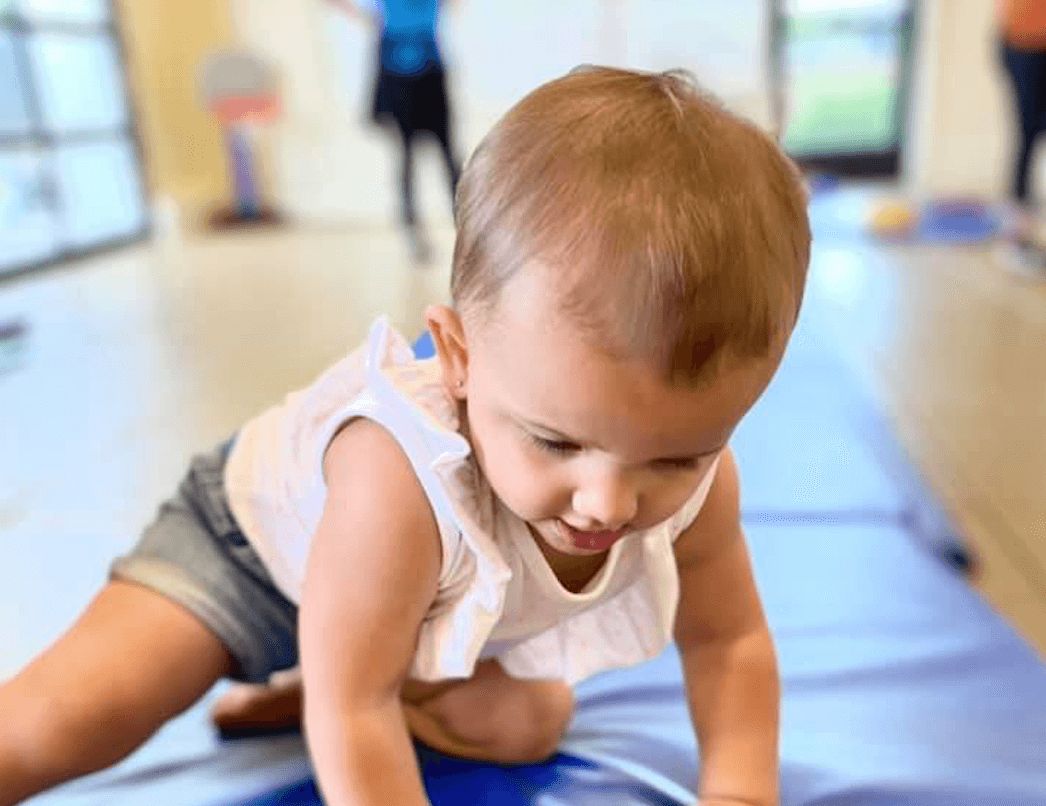
At this age, your child’s favorite thing about sports might be wearing their special soccer uniform or eating pizza after a game. That’s great! No matter what gets them out on the field, they’ll reap the benefits of physical activity. If they think hockey sticks are cool, or they love wearing a leotard, these motivators can be a wonderful entry point for enjoying sports. Having frequent positive experiences with many different sports and physical activities can lay a foundation for future experiences in sports and physical activities.
5. Lead by example.
Kids love to imitate anything adults are doing, and that includes physical activity and sports. Maybe it’s time to join a local league, head back to the driving range, participate in a local half marathon, or even learn a new sport or skill. Bring your child along to watch you play and cheer you on. You can even volunteer to coach their young team and model healthy sportsmanship. Together, you can enjoy the time together and build some fun memories.
6. Find a preschool that encourages movement.
Early academic learning is important, but the way to solidify those concepts is through physical movement. When you’re seeking daily care for your children, ask about the opportunities available for movement, outdoor play, and exercise. Casual games with peers could spark an interest in joining a team.
The Gardner School Prioritizes Physical Play
The Gardner School offers physical education enrichment courses for all our students to enjoy, as well as inviting indoor and outdoor play spaces where kids love to romp. Contact us today to learn more and schedule a tour at The Gardner School nearest you. You’ll quickly see why parents choose The Gardner School to help build strong, resilient, playful, and happy young learners.