It’s exciting to watch your tiny infant grow into an energetic toddler. As a child’s spoken language develops, more of his or her personality is revealed. Likes and dislikes are also easier to communicate, and toddlers spend a good amount of time (and energy) sharing their preferences. As kids grow, they start learning where their natural gifts and talents lie. Perhaps your child is an animal lover, a musician, a scientist, or a chef. Exploring a variety of enrichment activities can help kids discover what they love to do!
While students at The Gardner School have opportunities to participate in a full suite of enrichment activities at school, we wanted to highlight a few simple ways to facilitate skill-building and exploration beyond the preschool day. As your child has the opportunity to take part in enrichment activities (whether at preschool or at home), you’ll soon notice many natural talents come to life in ways you may not have seen before.
1. Make Music Matter
Children are naturally drawn to harmony, melody, and rhythm, and you can make these three things a part of their daily experience. Singing short melodies or playing songs at certain times of the day can help integrate music into your family’s daily routine. You may decide on a song for waking up or eating breakfast, or a song for putting away toys or readying for bed. Children love to bang on drums, play a toy piano or a pint-sized guitar, or hum with a kazoo. Your child’s preschool should have a variety of musical instruments for them to play with. At this age, the focus should be on experimenting. Impromptu jam sessions can create wonderful moments for the whole family.
2. Provide Access to Visual Arts
Your child’s preschool should have a variety of artistic mediums for kids to try out. Crayons, markers, and paints are favorites, but kids love trying more sculptural options as well. Playdough and polymer clay can encourage 3D creations while experimenting with a variety of “brushes” including cut vegetables, sponges, and string will help children explore various textures. You can extend this art education and experience with a visit to your local art museum, arts festival, and including your child’s artwork (even framed) on the walls of your home.
3. Take Time Out for Science
As natural explorers, toddlers have so many questions about the world around them. Try to answer their many queries about what clouds are made of or why leaves change color in autumn. Starting a collection of natural objects while you’re out on walks together can bring nature into your living space. Remember, it’s not too early to introduce science concepts like geology, elements, and even atoms! You’re helping kids understand that the world is made up of tiny building blocks. Look for preschools that not only incorporate science in their curriculum and learning centers, but also S.T.E.A.M. activities (Science, Technology, Engineering, Art and Math) as well. Don’t forget about visiting your local science center or natural history museum. Exploring these exhibits can help further foster kids’ innate curiosity.
4. Encourage Physical Activity
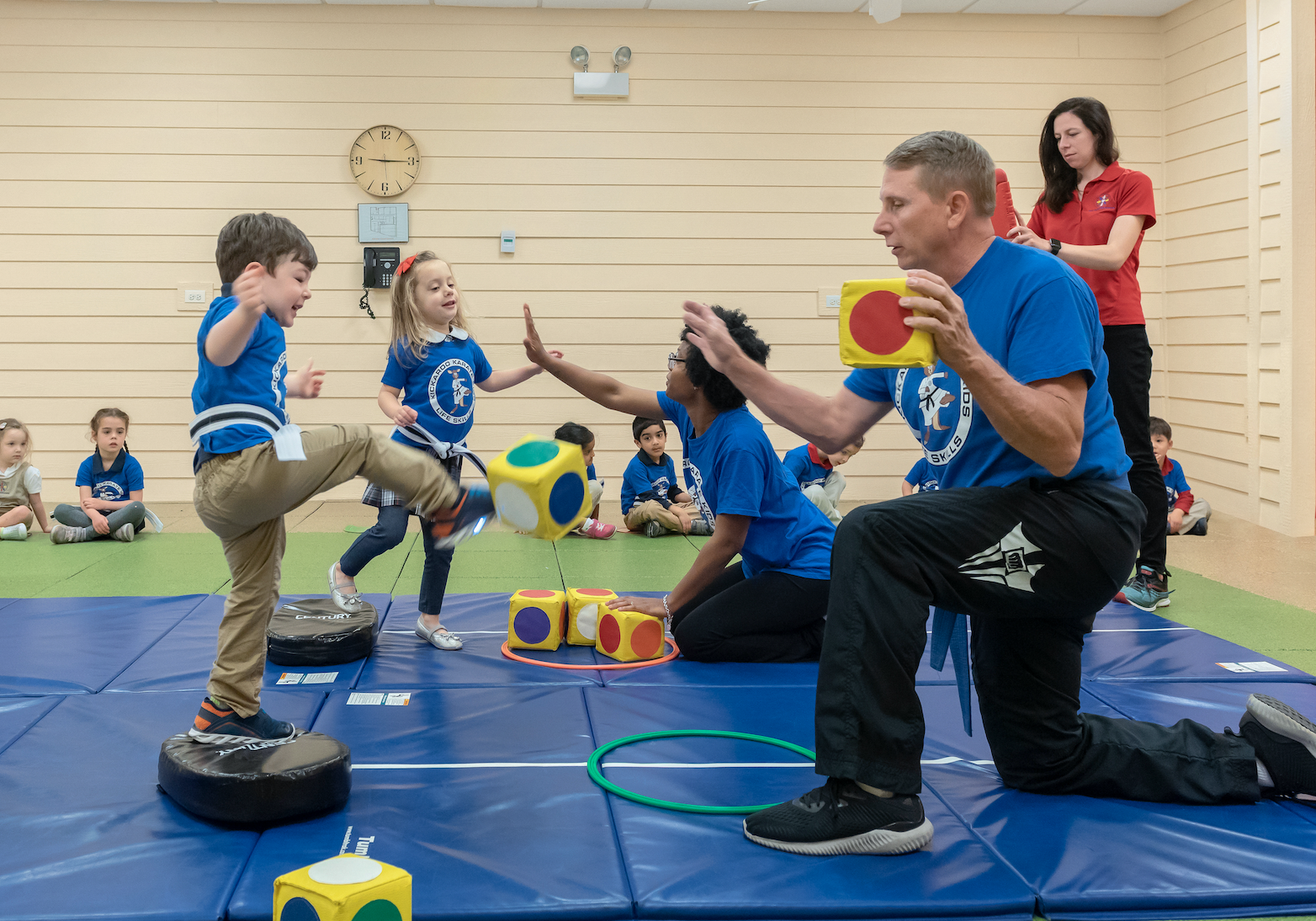
Kinesthetic and physical giftedness are often overlooked in young children. Yet, having a gift for sports, flexibility, movement, or dance is a talent that should be fostered, especially at a young age. Make rolling, tumbling, catching, and running a part of your daily routine. Physical activity helps inhibit the release of cortisol and increases the size of the hippocampus in young children. Kids may find it easier to express their feelings through movement, so if they’re feeling frustrated or excited, ask them to use body language to show how they feel. Having time during the day to explore gross motor skills can help a child build confidence in their movement, and gain strength and builds a foundation for more complex skills in older activities. At this age, keep the focus on experimentation and fun rather than skill.
5. Seek Out a Preschool with a Myriad of Extracurricular Opportunities
Preschoolers need opportunities to try out a variety of different activities in a welcoming space during the day. When parents are considering options for childcare, they should look carefully at the enrichment or exploratory activities available for children. Classes in dance, cooking, sports, music, drama, and art are just a few of the offerings a potential preschool should have. When a preschool offers these options on-site, you’ll be freed up from the task of providing additional opportunities that all come with additional scheduling, driving, and potentially reduced family time in the evenings and on weekends.
The Gardner School Helps Kids Discover Their Gifts
When it comes to giving your child a strong start academically, choosing a preschool with a stellar reputation increases the academic and social gains your child will see. Enrichment activities take learning a step further than the normal classroom curriculum. With the full suite of enrichment courses, our commitment to academics, our degreed and highly qualified teachers, and our inviting physical spaces, we provide the very best for the youngest members of our community. Schedule a visit today to learn more!