

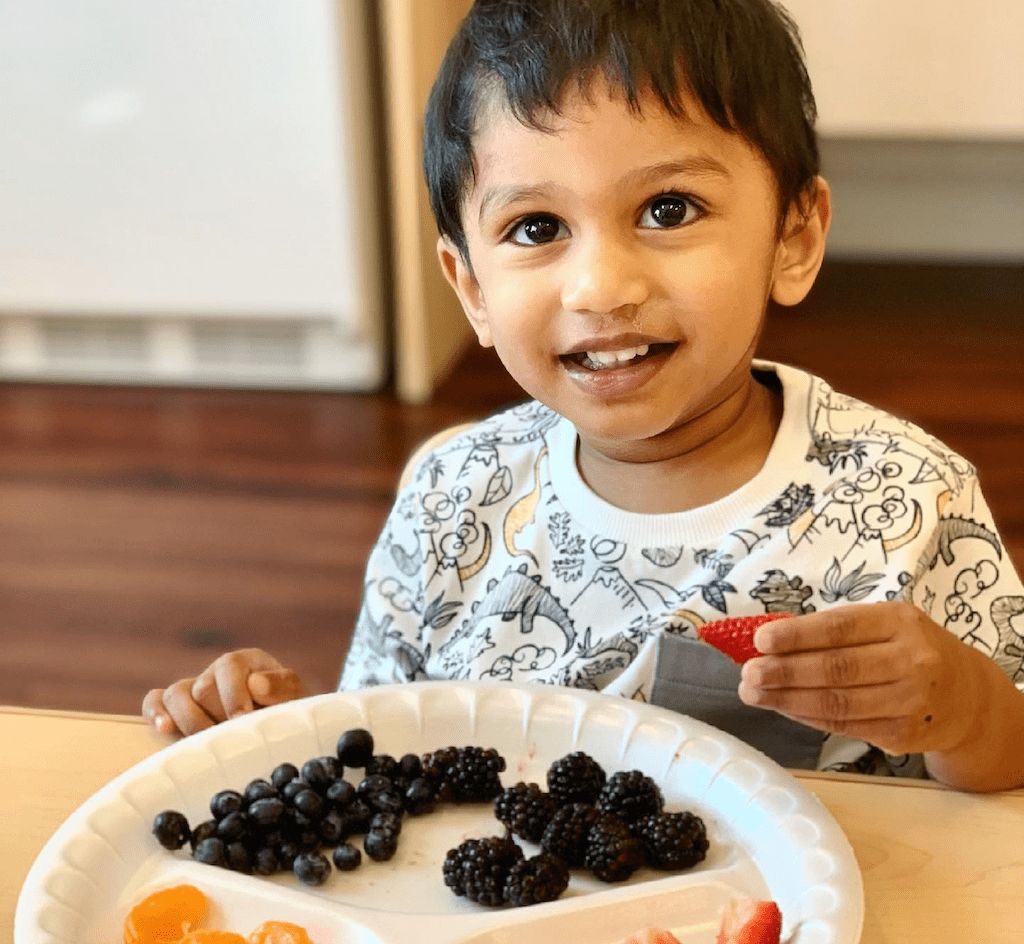
Summer is the absolute best time for amazing produce at the grocery store, the farmers’ market, or even in your own backyard! Vegetables like tomatoes, peppers, and summer squash are all in season. Fruits such as watermelons, peaches, plums, and berries also ripen around the same time. While it’s easy to stock your fridge with all this bounty, you may find some resistance to certain foods if you have a preschooler. Children are known for having distinct food preferences and may like to eat the same foods over and over.
If your child can be hesitant to try certain fruits and vegetables, there’s no better opportunity than the summer harvest to entice him or her. Check out these four ideas for making fruits and veggies more fun!
1. Cut fruits and veggies into unique shapes.
Cookie cutters can be your best ally in the mission to get kids to eat fruits and veggies. Whether it’s watermelon cats, apple ghosts, or cantaloupe flowers, you can inject a little fun into meal times with unexpected shapes. And, as a bonus, your kids can work on shape recognition while they’re enjoying an afternoon snack.
2. Never underestimate the power of color.
Encourage your little one to taste the rainbow of healthy foods by arranging fruits and veggies according to color. Carrot sticks may not be appealing on their own, but when placed next to red tomatoes and yellow bell peppers, kids may want to dip their rainbow into hummus, vinaigrette, or ranch dressing.
3. Learn your ABCs through food.
Healthy fruits and vegetables have so many vitamins and minerals to help little ones grow. By connecting food to the alphabet, you can share important nutritional information, while also improving their letter recognition skills. Does your child love to eat carrots? Great! Carrots are chock full of vitamin A. Make or buy a simple letter chart and mark off which vitamins you eat most often. This can also be a great way to get more uncommon vitamins or minerals, such as zinc, magnesium, or vitamin E.
4. Grow a container garden.
Preschoolers love to be involved in grown-up activities, and growing food definitely counts. You don’t need to plant an entire raised bed to reap the benefits of a kitchen garden. Even a few containers of tomatoes, peppers, herbs, and summer squash can yield a months-long harvest that can go right to your dinner table. If you involve kids in planting, weeding, watering, and prepping, they’ll love eating the foods they grew themselves.
TGS Makes Nutrition Fun
The Gardner School uses a variety of learning tools to help children understand the importance of healthy eating during the school day. We offer cooking enrichment classes and help our students learn about health and nutrition during meals in the classroom or Kids’ Café. And, throughout our Camp Gardner summer program, our students can grow vegetables or other small plants as part of the camp curriculum.
If you’re looking for exceptional child care that helps support your family, contact us today to learn more, or check out our virtual tours on our website for The Gardner School nearest you. You’ll quickly see why parents choose The Gardner School!