There is a moment most parents recognize. You step into a preschool classroom for the first time, quietly taking in the tone of the room. You notice how teachers speak to children, how the space feels, and whether the energy is calm or hurried. Beneath all the details sits one steady question: Can I trust this place with my child?
Trust in childcare comes from strong relationships between teachers and children, safe and thoughtfully designed preschool classrooms, and open communication between schools and families.
Parents often recognize a trustworthy preschool environment through a few key signs:
- Teachers who know each child personally
- Calm, organized preschool classroom environments designed for children
- Consistent routines and smooth daily transitions
- Clear communication between teachers and families
- Visible leadership and strong safety practices
Choosing childcare or preschool is rarely just about curriculum. It is about confidence. It is about knowing your child will be safe, known, and supported in ways that matter for long-term early childhood development.
Research consistently shows that strong, responsive relationships in the early years shape how children build attachment, regulate emotions, and approach learning. These relationships are one of the most important qualities of a good preschool program. The National Association for the Education of Young Children emphasizes that consistent, caring interactions are central to high-quality preschool environments and healthy development.
Consistent, Caring Teachers
Trust in childcare begins with people. In a strong preschool program, teachers are emotionally attuned adults who take the time to truly know the children in their care.
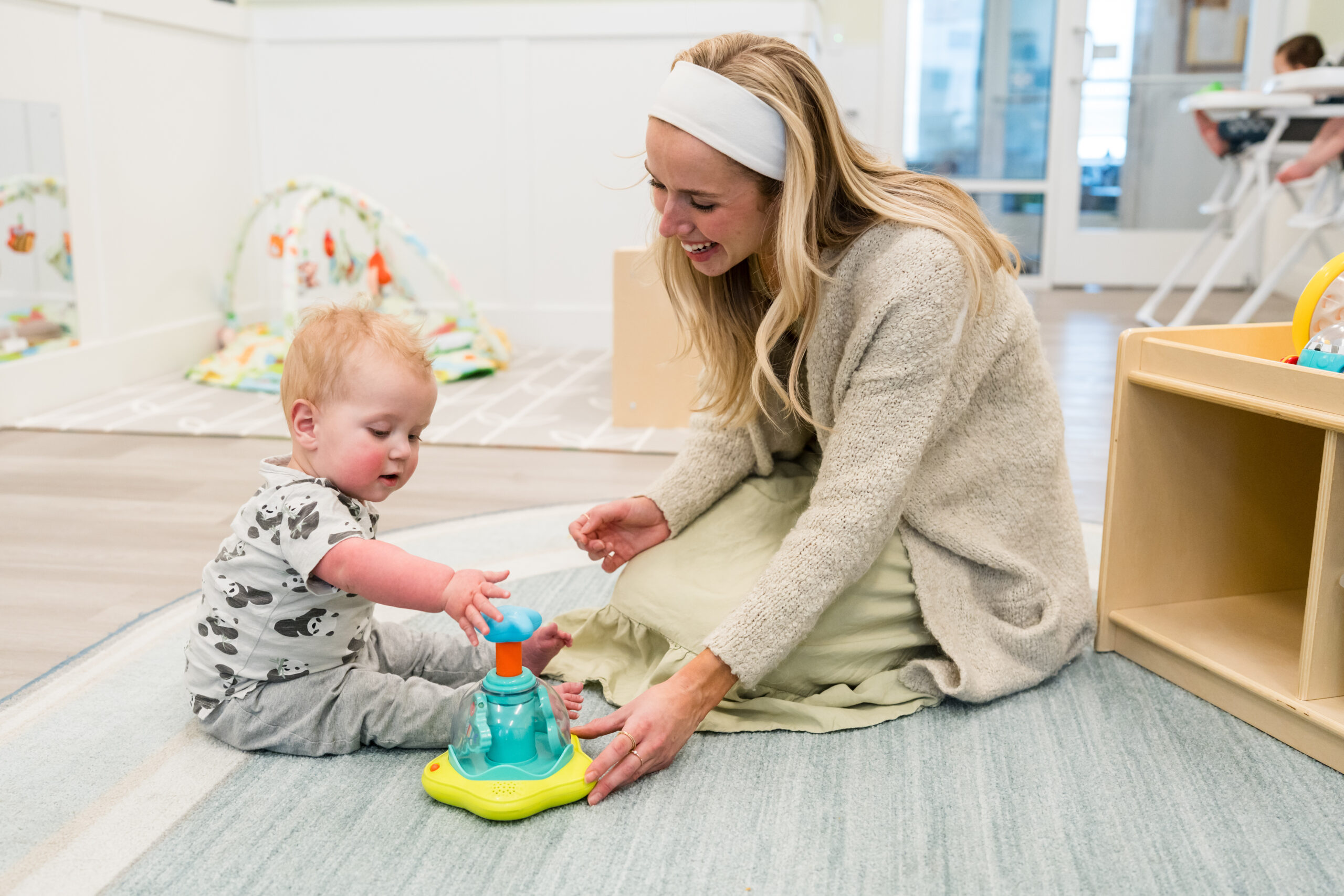
Parents often feel reassured when they see teachers greet children by name, kneel to their level, and respond with warmth. These small moments are often the clearest signs of a good preschool environment. These gestures may seem small, but they signal something important: children are seen. When children experience responsive caregiving, their stress levels decrease and their confidence increases. That sense of security allows curiosity and learning to flourish.
In early childhood education, consistency is not only about how long someone has been in a classroom. It is about shared standards, clear communication, and a team approach that ensures children feel supported every day. When classrooms are guided by caring leadership, thoughtful routines, and a culture that puts children first, stability is felt even as teams grow and evolve.
Children settle more easily when the adults around them are steady, prepared, and aligned in their care. That alignment is what builds trust.
“When children know the adults in their classroom truly understand them, everything changes,” says Meghan Knipp, Executive School Director at The Gardner School of Eagan (MN). “They feel secure enough to explore, ask questions, and try new things. That sense of safety is where learning begins.”
What Does a Trustworthy Preschool Classroom Environment Look Like?
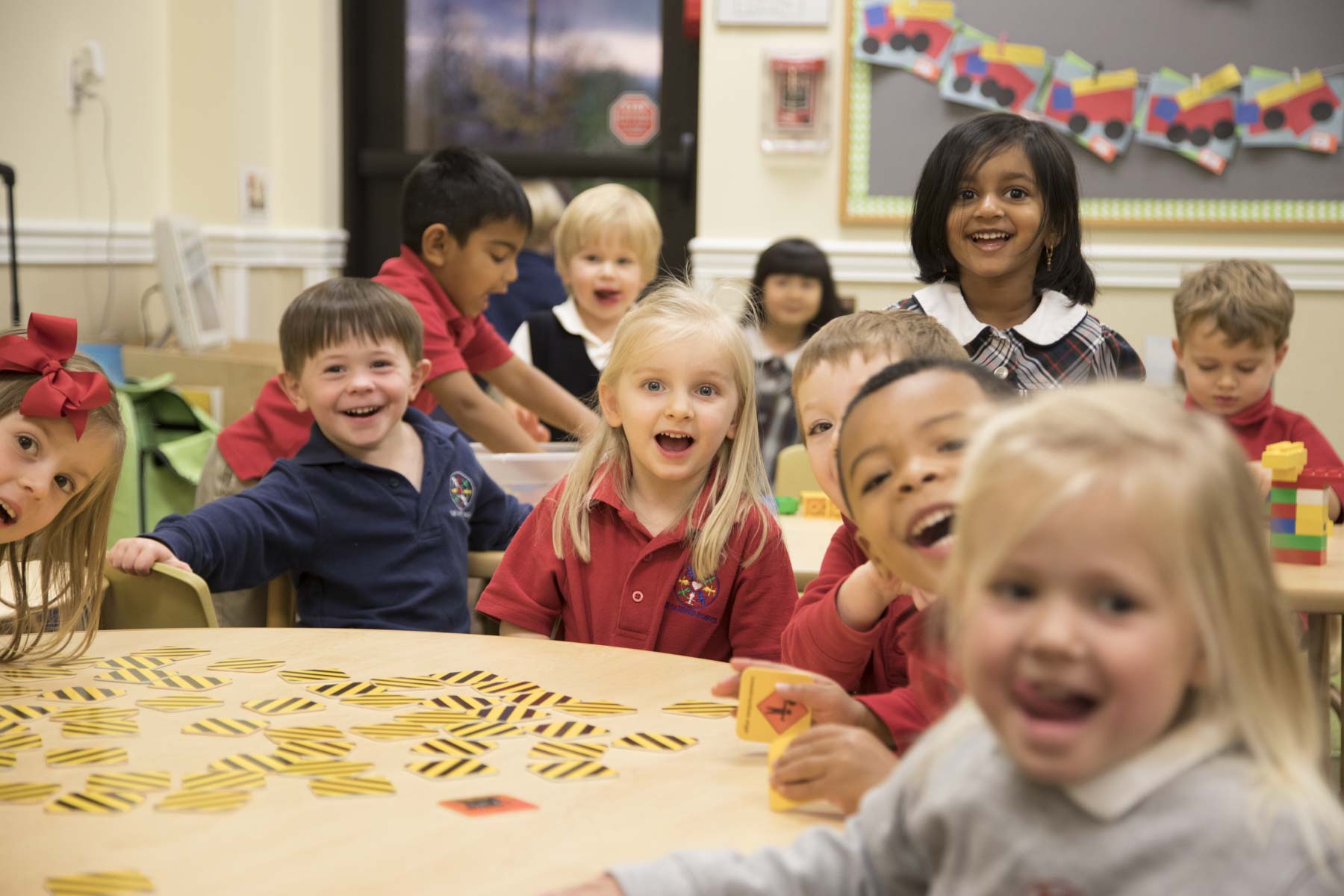
Trust is also reflected in the physical environment of a preschool classroom. Clean, organized spaces communicate that children are cared for with intention. A calm preschool classroom often includes child-height materials, defined learning areas, and predictable daily rhythms. When parents are choosing a preschool, the classroom environment often reveals a great deal about how children will be supported each day.
Parents may not immediately identify why a classroom feels reassuring, but the quality and design of the preschool environment play an important role. Environments that reduce clutter and create clear pathways support independence and focus. Children feel capable when they can access materials independently and understand what comes next.
Another detail educators pay close attention to is transitions. Smooth, predictable transitions between activities reflect strong classroom leadership. When teachers guide children from play to snack to group time with steadiness, it builds a sense of reliability that strengthens trust for both children and families.
During a preschool tour, parents may notice signs of a trusting classroom environment, such as:
- Teachers speaking calmly and respectfully to children
- Materials arranged at child height so children can explore independently
- Smooth transitions between activities
- Classrooms that feel organized, clean, and welcoming
Transparent Communication and Partnership
Modern families value transparency when choosing a preschool or childcare provider. Clear communication about safety procedures, daily routines, and developmental progress reinforces partnership.
Trust grows when parents receive thoughtful updates that reflect real classroom moments, not generic summaries. It deepens when school leaders are visible and approachable, and when follow-up during the first weeks of preschool feels personal and proactive.
For working parents balancing full schedules, knowing that someone is paying close attention to their child provides powerful peace of mind.
Signs of a Trustworthy Preschool Environment
When choosing a preschool, parents often notice a few consistent signs of a high-quality program:
- Teachers speaking calmly and respectfully to children
- Classrooms are arranged so children can reach materials independently
- Predictable daily routines
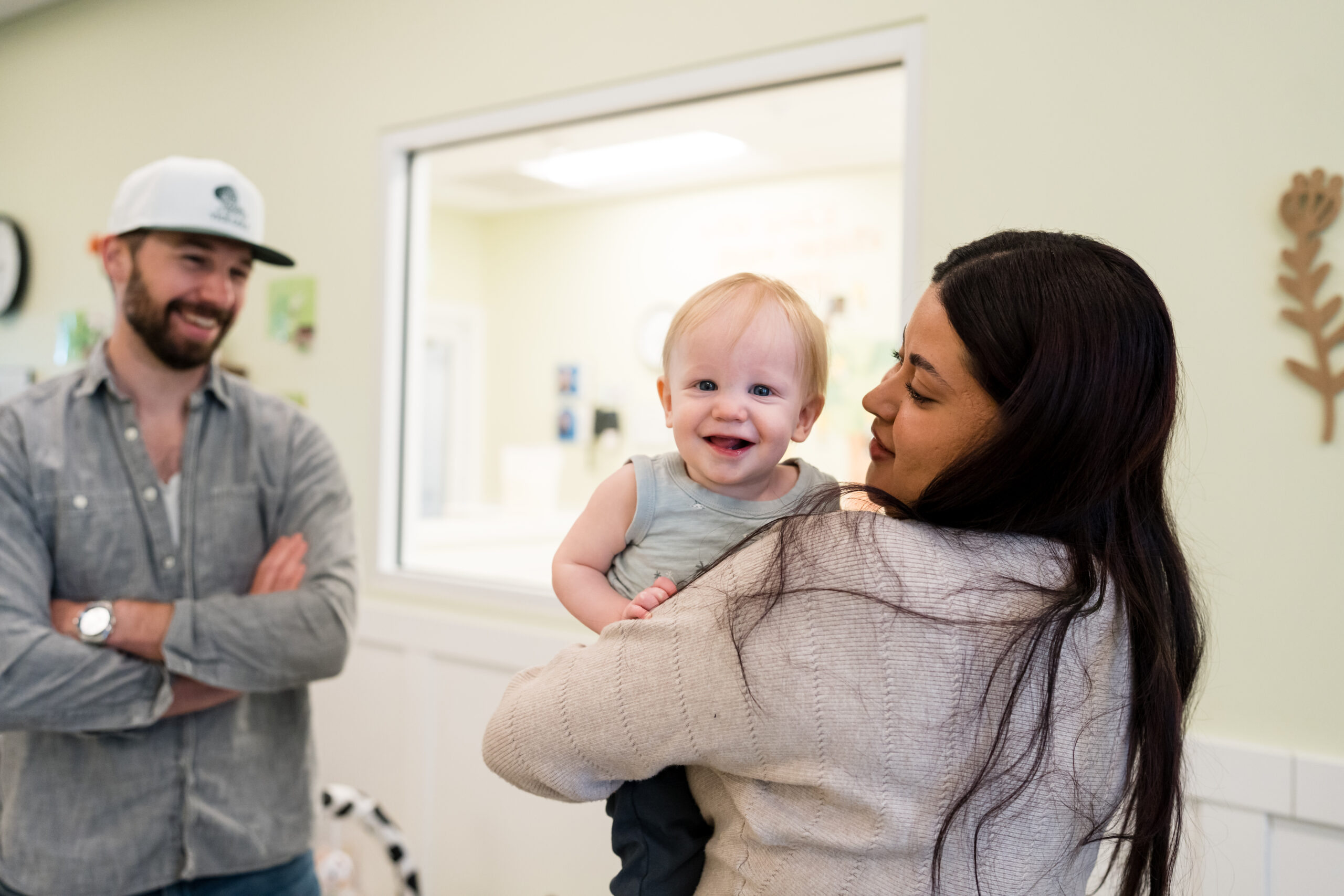
- Warm greetings and personal connections with families
- Clean, organized learning spaces
- Visible leadership and strong safety procedures
These details are often the signs parents notice when deciding whether a preschool environment truly feels trustworthy.
A Value We Live Every Day
Trust in a preschool is not built in a single moment. It grows through consistency. At The Gardner School, Trust is one of our core values. That means we are intentional about how we communicate, design our spaces, and partner with families. Families who are choosing a preschool often look for these signals of consistency and communication when evaluating programs.
If you are exploring childcare or choosing a preschool, we invite you to schedule a tour and experience that sense of trust for yourself. Often, the clearest answer is how you feel when you walk through the door.