Every parent has said “no.”
No climbing.
No running.
No, that’s not safe.
Sometimes “no” is exactly the right word, especially when it helps keep children safe.
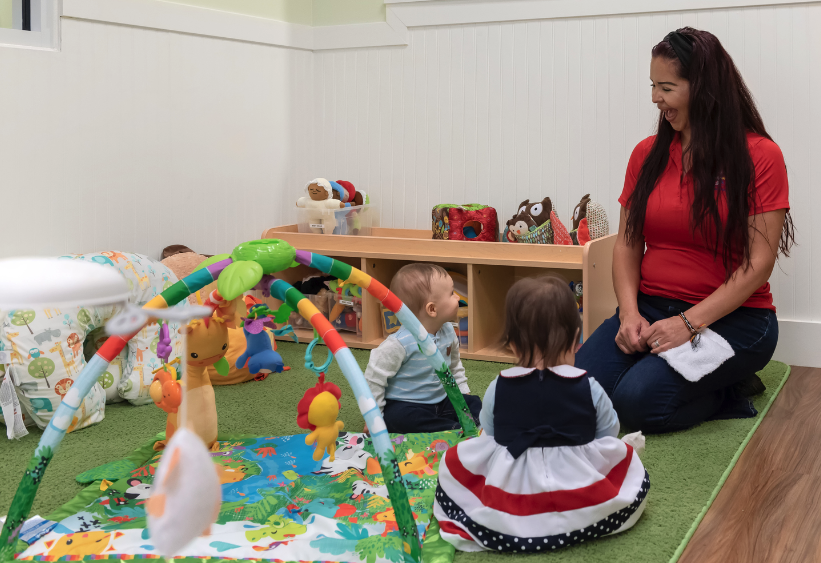
But if you’ve ever spent time in a preschool classroom, you may notice that teachers often take a slightly different approach during everyday moments. Rather than focusing only on stopping a behavior, they guide children toward what they can do instead.
It’s not about avoiding the word “no.” It’s about helping children understand expectations, make good choices, and build the skills they’ll use long after preschool.
At The Gardner School, these small conversations happen throughout the day and become meaningful opportunities to support children’s growing confidence, communication, and self-regulation.
Guiding Instead of Simply Correcting
Young children are still learning how to manage big feelings, express their needs, and control their impulses. When emotions are running high, simply hearing “no” may stop a behavior in the moment, but it doesn’t always help children understand what to do next. That’s why early childhood educators often pair a boundary with guidance.
“Our goal is never just to stop a behavior,” says Chaya Swenson, Director of Academics and Learning. “We want children to understand what they can do instead. Those everyday conversations help them build confidence, solve problems, and develop skills they’ll use for years to come.”
This approach keeps expectations clear while giving children language and strategies they can use again in the future.
Small Changes That Teach Big Lessons
Throughout the day, preschool teachers gently redirect children with language that teaches the behavior they want to see. Instead of simply telling children what not to do, they give them a clear picture of what they can do instead.
You might hear a teacher say, “Let’s use our walking feet inside,” instead of, “No running.” If a child grabs a toy from a friend, the teacher may encourage them to “Ask if you can have a turn.” When voices become loud during an activity, a calm reminder like, “Let’s use our indoor voices,” helps children understand the expectation without adding more frustration to the moment.
The same approach carries through many everyday situations. Rather than saying, “Stop climbing on the table,” a teacher might explain, “Tables are for eating and activities. If your body wants to climb, let’s save that for the playground.” Instead of, “Don’t throw that,” they may say, “Balls are for throwing outside. Inside, let’s roll it to a friend.”
These small shifts in language do more than redirect behavior. They help children understand the reason behind a boundary while giving them a positive action to practice. Over time, children begin to internalize those expectations and make thoughtful choices with growing independence.
Why This Approach Matters
Positive guidance is one of the many ways preschool teachers help children develop self-regulation, the ability to pause, think, and respond appropriately in different situations.
These skills don’t develop all at once. They grow through hundreds of everyday interactions with caring adults who provide consistent expectations, encouragement, and opportunities to practice.
Research from Harvard University’s Center on the Developing Child shows that responsive, supportive relationships help children build executive functioning skills like self-control, flexible thinking, and problem-solving. Those abilities become the foundation for learning, friendships, and confidence throughout childhood.
You Can Try It at Home
Families don’t need to memorize new phrases or worry about saying the “perfect” thing. Parenting is full of busy moments, and every family has times when a quick “no” is exactly what’s needed. Instead, think of this as one more tool you can use when the moment allows.
The next time your child needs a reminder, consider following the boundary with a simple suggestion about what they can do instead. Over time, those gentle redirects can help children better understand expectations and give them the confidence to make positive choices on their own.
Like so many parts of childhood, learning these skills takes practice, patience, and consistency. That’s why strong partnerships between families and teachers are so valuable. Together, we can give children the encouragement they need as they continue learning and growing.
Every Conversation Is a Chance to Learn
There will always be moments when children need clear limits, and there will always be times when “no” is exactly the right response.
What matters most is that children experience those moments within caring, trusting relationships. When they feel safe, supported, and understood, they’re better able to learn from guidance and carry those lessons into the future.
At The Gardner School, we believe every conversation is an opportunity to help children build confidence, strengthen relationships, and develop the social-emotional skills that prepare them for kindergarten and beyond.