

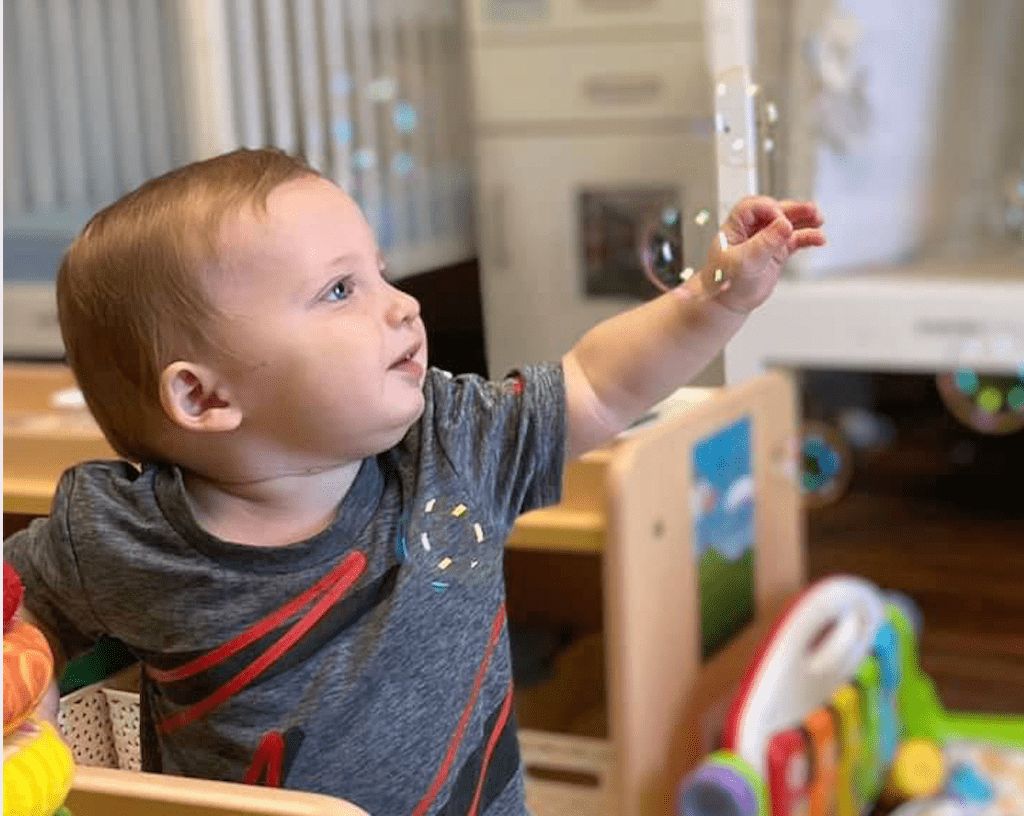
It’s all too common for parents of young children to find themselves reading the same books, singing the same songs, and following the same routines day after day. This is because young children have a high tolerance for repetition. In fact, many kids seem to require it. While adults often crave new or novel experiences, children prefer repeated sounds, stories, routines, and actions. This daily replaying of activities can make a huge difference in how they learn and grow. Here are three key reasons repetition helps little ones learn.
Repetition Helps Language Development
Reading the same story offers children something new each time they hear it. With each exposure to a song, story, or action, a child has an opportunity to learn even more about what they’re trying to understand. Repetition in speech also assists with language acquisition, especially in infants. While you may find yourself singing the same songs or identifying the same objects again and again, each repetition helps solidify the noun, verb, or adjective in your child’s mind. After many repetitions, they’ll be able to sing, recite, or identify alongside you. Once children have mastered a word or phrase, it can now be used in combination with others as they continue to develop linguistic confidence.
Repetition Provides Emotional Comfort
While adults have the emotional capacity to adapt to changes in routine, even small variations in a child’s schedule can affect their sleeping, eating, and mood. Many parents find that establishing a daily routine can provide a soothing predictability for little ones. Having a flexible but set schedule is readily welcomed by kids of all ages. One of the best ways to do this is by selecting a warm, supportive community for daily child care. When children leave the house each day to go to their special place, it can give them a sense of belonging to see a familiar space with familiar faces. Having a “home” away from home can provide comfort and support learning outcomes for very young children.
Repetition Assists In Concept Attainment
Even as early as the turn of the century, child psychologist Lev Vygotsky posited that children inhabit a zone of proximal development (ZPD) when they are learning a new skill. As they encounter peers and caring adults who have mastered the skill, new learners can enhance their own understanding of the concept. When the child has seen and experienced enough repetition of a concept or skill, they can master it. The skills that children are gaining vary widely, including gross and fine motor skills, transitioning from babbling to using words, and pulling themselves up to cruise or walk. As they repeat gestures, sounds, and movements, children are perfecting their skills in all these areas. This mastery leads to feelings of excitement, pride, and competence.
The Gardner School Understands and Supports Child Development
All the activities that make up a child’s day at The Gardner School are targeted towards expanding their learning and engaging their minds. Our lead teachers understand child development. They support learning through research-backed strategies that include intentional repetition and early exposure.
If you’re looking for exceptional child care that helps support your family, contact us today to learn more, or check out our virtual tours on our website for The Gardner School nearest you. You’ll quickly see why parents choose The Gardner School!