Spring has a way of bringing fresh energy into family life. Longer daylight hours, warmer weather, and more time outdoors often shift the rhythm of family routines. For families with young children, this seasonal transition offers a natural moment to gently reset everyday routines.
Small changes in routines can support better sleep, calmer mornings, and more opportunities for connection and play. These daily rhythms may feel simple, yet they play an important role in helping young children feel secure, confident, and ready to grow.
Simple routines for young children support emotional security, independence, and smoother daily transitions at home and in preschool. These could include:
- Predictable morning and bedtime rhythms
- Consistent transitions between activities
- Daily opportunities for outdoor play
- Time for conversation, reflection, and connection
Why Routines Help Young Children Thrive
Young children experience the world through patterns and repetition. Predictable routines help them understand what to expect throughout the day. These routines are an important part of early childhood development, supporting learning through strong relationships and repeated experiences.
When children know what comes next, they spend less energy adjusting to change and more energy exploring, learning, and connecting with others. Consistent routines also support independence as children begin to recognize familiar steps such as putting away backpacks, preparing for snack time, or transitioning between activities.
These everyday rhythms help children develop confidence, cooperation, and a sense of belonging both at home and in preschool.
Start the Day with Predictable Mornings
Young children thrive on consistency. A predictable morning routine helps children understand what comes next and creates a calm start to the day, both at home and in preschool routines. Spring mornings often feel brighter and lighter, which can make it easier to establish a steady rhythm. A simple sequence of waking up, getting dressed, sharing breakfast, and preparing for preschool or childcare can help children move through the morning with confidence.
Many families find that visual cues and familiar routines help children participate more independently in the morning routine. Hanging up a backpack, choosing shoes, or helping pack a lunch can become small moments of pride that encourage independence. Educators often notice that when children know what to expect, they participate more confidently in these everyday routines.
Support Healthy Sleep as Days Grow Longer
As daylight stretches into the evening, bedtime routines often shift with the season. Longer days bring more outdoor play, later dinners, and a little extra evening energy. A consistent bedtime routine helps young children transition from the activity of the day into restful sleep while preserving the rhythm they rely on.
Quiet connection often plays an important role during this time. Reading together, listening to soft music, or talking about favorite moments from the day helps children settle emotionally while preparing their bodies for sleep.
A few simple routines can help children adapt to longer spring days:
- Anchor bedtime to a routine, not the clock. Young children respond more easily to a predictable sequence than to a strict time. Bath, pajamas, books, and a goodnight song create a rhythm their bodies begin to recognize as sleep time.
- Use daylight as part of the learning process. Taking a few minutes to notice the evening sky or watch the sunset together can help children understand seasonal changes while gently signaling that the day is winding down.
- Let children retell their day. Inviting a child to share one favorite moment from preschool or childcare strengthens language development and reflection.
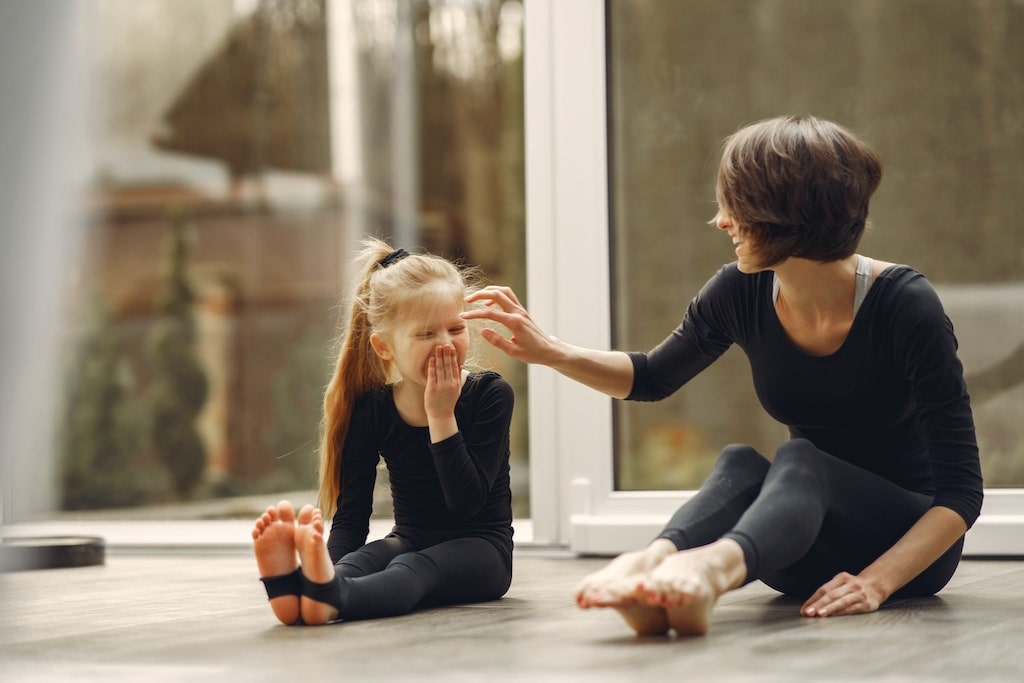
- Build calm movement into the evening routine. Stretching, simple yoga poses, or slow breathing can help young children release the last bursts of energy from the day and settle their bodies.
- Create a “tomorrow moment.” Talking briefly about what children can look forward to the next day gives them a sense of security and continuity, which often makes bedtime smoother.
These small rhythms help children feel emotionally settled as the day ends. When evenings follow a predictable pattern, young children often arrive at preschool or childcare feeling rested, curious, and ready to explore the day ahead. These consistent routines help children arrive at preschool feeling prepared, rested, and ready to learn.
Make Room for Outdoor Exploration
Spring offers wonderful opportunities for outdoor play, an essential part of early childhood development. Fresh air, movement, and exploration support physical growth while also encouraging curiosity and creativity. Outdoor routines also support preschool routines by helping children regulate energy, attention, and mood throughout the day.
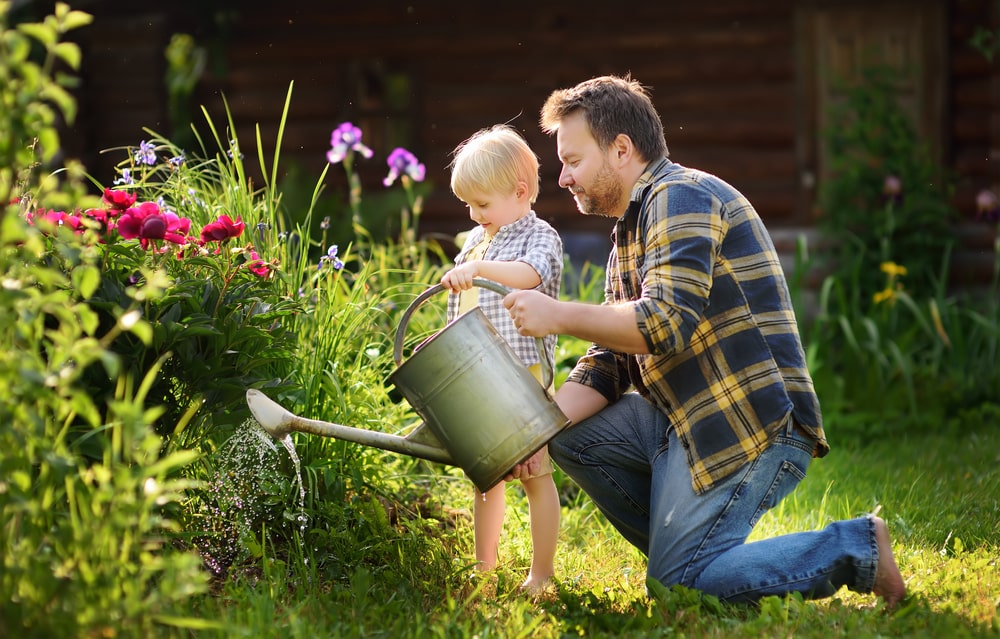
Time outside can remain simple and joyful. A walk around the neighborhood, a visit to the park, or time in the backyard allows children to notice the changing season. Budding flowers, birds returning, and warmer breezes invite children to ask questions and share discoveries.
Outdoor play also supports emotional balance for young children. Movement and open space give children opportunities to release energy and return to indoor activities feeling refreshed and focused.
Create Gentle Transitions Throughout the Day
Daily routines flow more smoothly when children know what to expect. Gentle transitions between activities help young children move confidently from one part of the day to another. These transitions are a key part of daily routines for young children.
Simple cues often guide these moments. A familiar song during clean-up time, a short reminder before leaving the house, or a quiet story before rest time helps children feel prepared for what comes next. These signals create predictability and help children shift their attention without feeling rushed. Teachers and school leaders often see firsthand how important these small moments can be.
“Transitions are where we see how children regulate and respond to their environment,” says Eva Marks, Executive School Director of The Gardner School of Cambridge. “In a classroom day, there are many small shifts, from play to snack, from outside exploration to circle time. When teachers use familiar routines and cues, children can move through those moments with greater confidence. That sense of predictability supports both emotional regulation and participation in the day.”
These consistent rhythms provide reassurance, both at home and in preschool. Over time, children begin to trust the structure of their day, which encourages cooperation, independence, and confidence.
Small Rhythms, Lasting Benefits for Young Children
The routines families create each day shape how children experience the world. Predictable rhythms support emotional security, encourage independence, and create space for joyful learning. Spring offers a natural moment to pause, notice what routines feel supportive, and consider where small adjustments might help the day flow more easily.
At The Gardner School, our preschool classrooms reflect this same approach. Thoughtful routines, meaningful play, and caring teacher relationships help children feel grounded and ready to grow. These routines for young children create a foundation that supports confidence, independence, and a love of learning. As families refresh routines at home, children benefit from the same sense of consistency and encouragement within their preschool community.
If you are exploring preschool or childcare options this spring, we invite you to explore our preschool programs or schedule a tour to see how our classrooms support children through thoughtful routines, connection, and joyful discovery.