Nature play helps toddlers and preschoolers build language, problem-solving skills, and confidence through hands-on outdoor experiences. Simple activities like exploring, collecting, and observing support early childhood development in meaningful and lasting ways. There’s something about being outside that feels different for young children. The pace slows. The curiosity grows. And suddenly, the smallest things become worth exploring.
Nature play does not need to be planned or perfect. A few simple moments outside can support early childhood development in ways that feel natural, engaging, and even calming for both children and parents. Children don’t need more structured activities to learn. They need time, space, and the freedom to explore what captures their attention.
“Time in nature gives children a chance to slow down, explore, and really notice the world around them,” says Lindsey Mayer, Executive School Director at The Gardner School of Lake Elmo-Woodbury (MN). “Those small moments often lead to the biggest learning experiences.”
Easy Nature Play Ideas That Support Early Childhood Development
- Start with a “slow walk,” not a destination. Young children experience outdoor play differently from adults. Letting them set the pace, stopping to notice a bug, a shadow, or a patch of grass, supports observation, language, and early science skills in a natural way. You may notice your child returning to the same spot repeatedly, which is often their way of testing ideas and building understanding over time. It might not look like much is happening, but this kind of repetition is where deeper learning begins.
- Create a small nature collection. Gathering leaves, rocks, or sticks turns a simple walk into a meaningful preschool learning activity. Sorting and describing what they find helps build early math and language skills while encouraging curiosity. You can extend this later by revisiting the collection and asking what has changed, like colors fading or textures drying, which introduces early concepts of time and change. Children often assign meaning to these items as well, turning a collection into something personal, not just something they found.
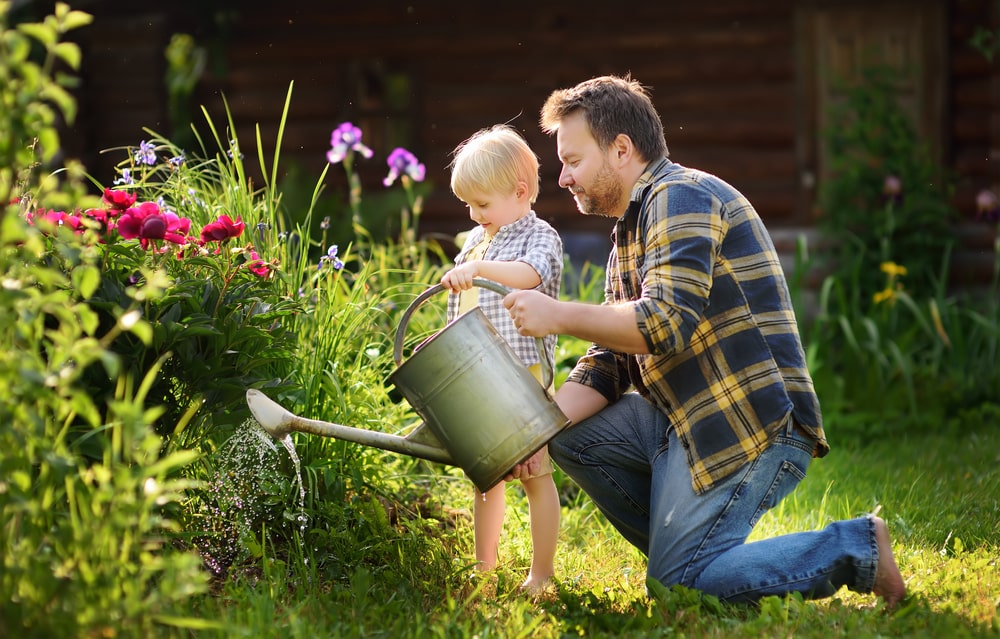
- Let them explore water and dirt. Mixing, pouring, and scooping may seem simple, but these activities support fine motor development and early problem-solving. These hands-on experiences introduce early science concepts in a way that feels natural and engaging. Over time, children begin to form their own theories, like how much water it takes to make “just the right kind” of mud, which is an early form of experimentation. It can feel messy in the moment, but this kind of play is often more valuable than activities that look neat and complete.
You might try:- Adding cups or spoons for pouring
- Talking about how the dirt feels before and after water
- Letting your child lead the play instead of directing it
- Build something together using natural materials. Sticks, rocks, and leaves can become towers, patterns, or imaginative play spaces. These open-ended preschool activities support creativity, persistence, and early engineering thinking. What starts as a simple structure often turns into storytelling, like building a “home” or a “bridge,” which helps connect physical play with imagination and language. When something falls apart, and they try again, that moment of rebuilding is where confidence quietly grows.
- Make time to sit and notice. Not every outdoor moment needs to be active. Sitting together and watching clouds, listening for birds, or feeling the wind helps children slow down and build focus. This kind of observation supports attention, language, and emotional regulation. These quiet pauses also help children become more aware of their surroundings, which can naturally lead to more thoughtful questions and deeper curiosity. One small shift that makes a difference:
- Follow what your child notices first
- Pause before offering explanations
- Let their questions guide the moment
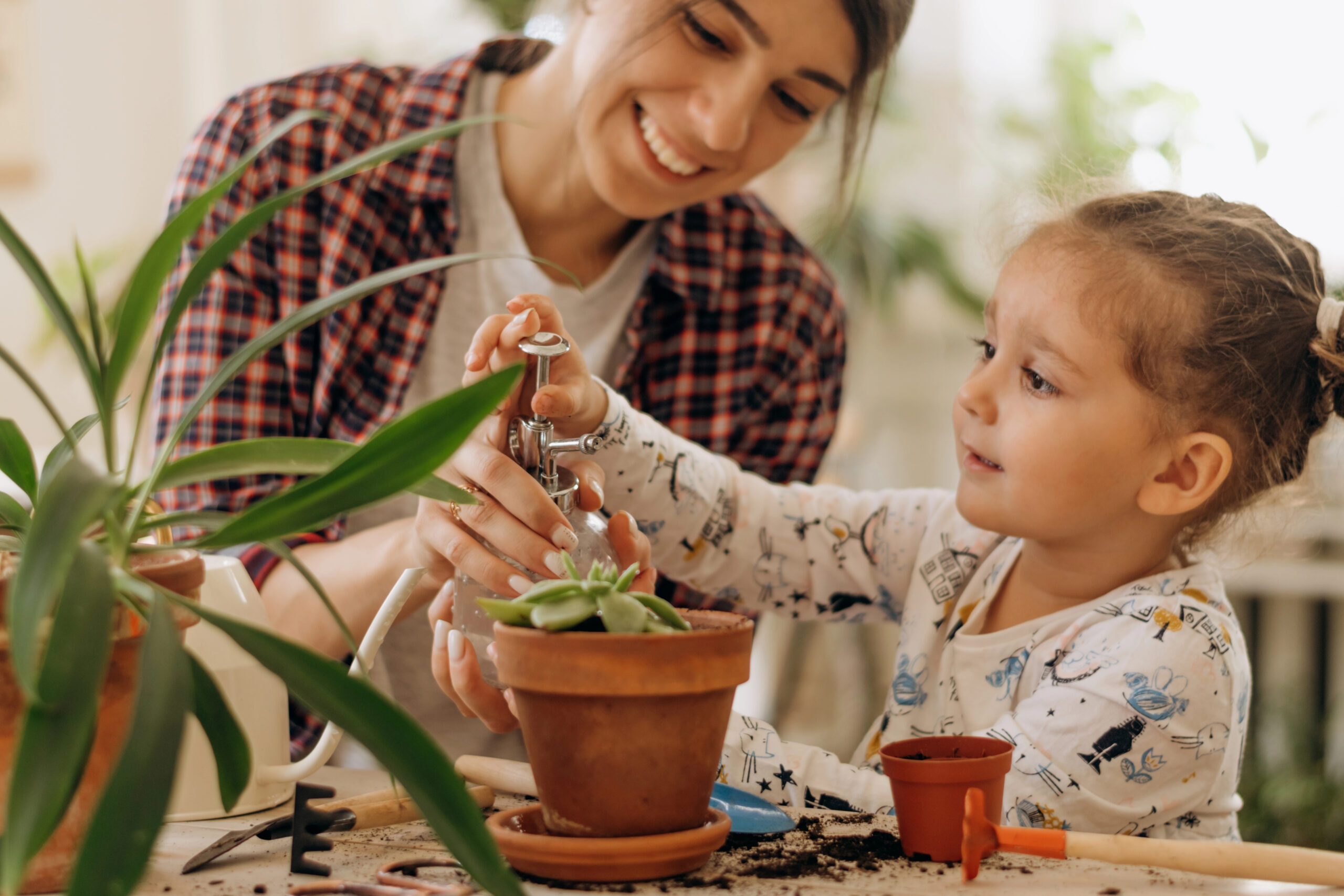
- Bring nature play indoors when needed. A bowl of water with leaves, a tray of collected objects, a small plant they can help water, or adding natural items to pretend play can keep nature-based learning going, even on busy or rainy days. Even indoors, these materials invite the same kind of exploration, and children often use them in new ways that you might not expect. Sometimes a simple change in setting gives children a fresh perspective on the same materials.
Why Nature Play Matters for Toddlers and Preschoolers
Nature play supports nearly every area of early childhood development, from physical movement and sensory exploration to language growth and emotional confidence. According to child development experts like NAEYC, young children learn best through hands-on experiences, play, and meaningful interactions with their environment. Nature provides all of this in a simple, accessible way.
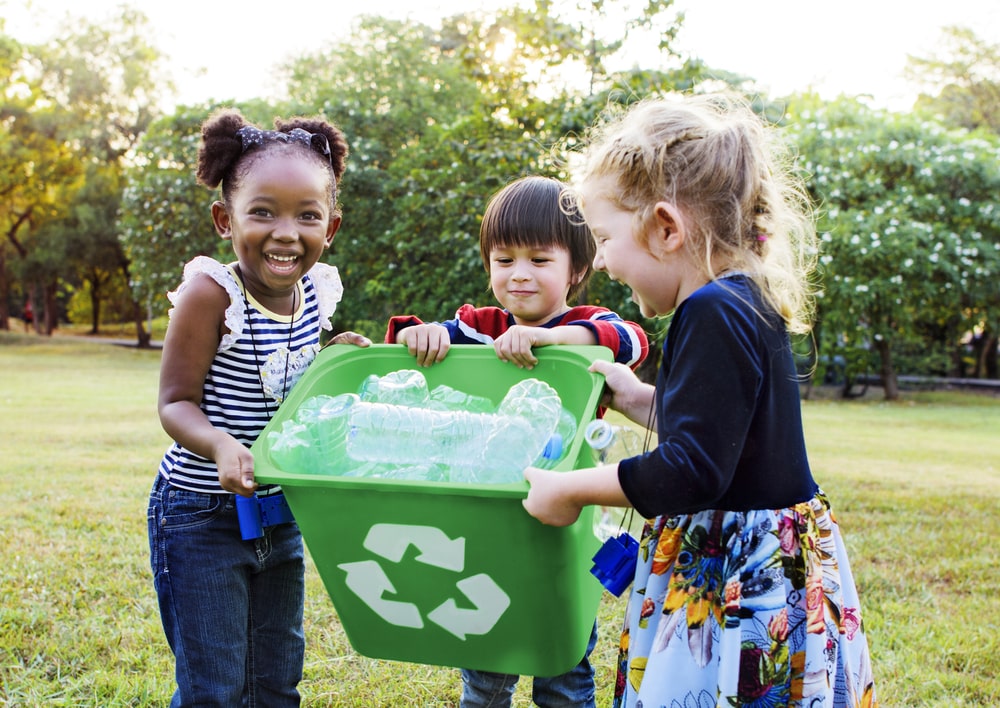
As Earth Day approaches and we enjoy the spring weather, it is a helpful reminder that building a connection to the natural world starts early. When children have time to explore, observe, and engage with nature, they begin to develop curiosity, care, and a sense of responsibility for the world around them.
At The Gardner School, outdoor exploration is an important part of our preschool experience. We see every day how children grow more confident, curious, and engaged when they have space to explore freely.
Sometimes, the most meaningful learning moments are the ones that feel the simplest. If you would like to learn more about how our programs support early childhood development through play and exploration, we invite you to explore our programs or schedule a tour.