It’s easy to feel like supporting your child’s learning requires elaborate crafts, educational toys, or a perfectly organized playroom. Social media is full of creative activities and beautifully designed learning spaces, which can leave parents wondering if they’re doing enough.
The good news is that meaningful learning doesn’t require any of those things.
For young children, some of the richest learning happens during everyday moments. Stirring pancake batter, matching socks from the laundry basket, wondering why leaves change color, or building a blanket fort in the living room all create opportunities to explore, ask questions, and build new skills.
Everyday Moments Are Full of Learning
Young children are naturally curious. They notice patterns, ask endless questions, experiment with new ideas, and eagerly observe the world around them. Everyday routines give them countless opportunities to build language, problem-solving, and critical thinking skills without feeling like they’re completing a lesson.
“Parents sometimes feel pressure to create elaborate learning activities, but young children don’t need perfect lessons,” says Heather Larson, Executive School Director at The Gardner School of Minnetonka-Eden Prairie (MN). “They learn best through meaningful experiences with the people who love them. When children help make dinner, sort laundry, or ask questions during a walk, they’re building confidence, language, and curiosity in ways that feel joyful and natural.”
Rather than recreating preschool at home, families can simply recognize that learning is already happening in the moments they share together.
Ordinary Activities Build Extraordinary Skills
Many daily routines naturally introduce concepts that children will continue developing throughout school.
Preparing a meal together encourages children to count ingredients, compare measurements, and observe how foods change when they’re mixed or cooked. Folding laundry becomes an opportunity to sort colors, match socks, identify patterns, and practice following directions. Even setting the table helps children count, organize, and contribute to the family in meaningful ways.
Outdoor adventures offer just as many opportunities for discovery. A walk through the neighborhood might inspire conversations about birds, changing seasons, construction vehicles, or the shapes of clouds overhead. These shared experiences help children build vocabulary, strengthen observation skills, and develop a lifelong sense of curiosity.
Follow Your Child’s Curiosity
One of the most valuable things adults can do is encourage children to keep asking questions.
When a child wonders why the moon is visible during the day or asks how worms move through the ground, there’s no pressure to have all the answers. Responding with, “That’s a great question. What do you think?” or “Let’s find out together,” teaches children that curiosity is something to celebrate.
Research from Harvard University’s Center on the Developing Child highlights the importance of responsive, back-and-forth conversations in supporting children’s language development, executive functioning, and critical thinking. Those simple conversations become powerful learning opportunities because they encourage children to think, wonder, and explore alongside trusted adults.
Learning Doesn’t Have to Be Complicated
Busy families don’t need to add another item to an already full schedule. Instead, look for opportunities to invite your child into the activities you’re already doing together.
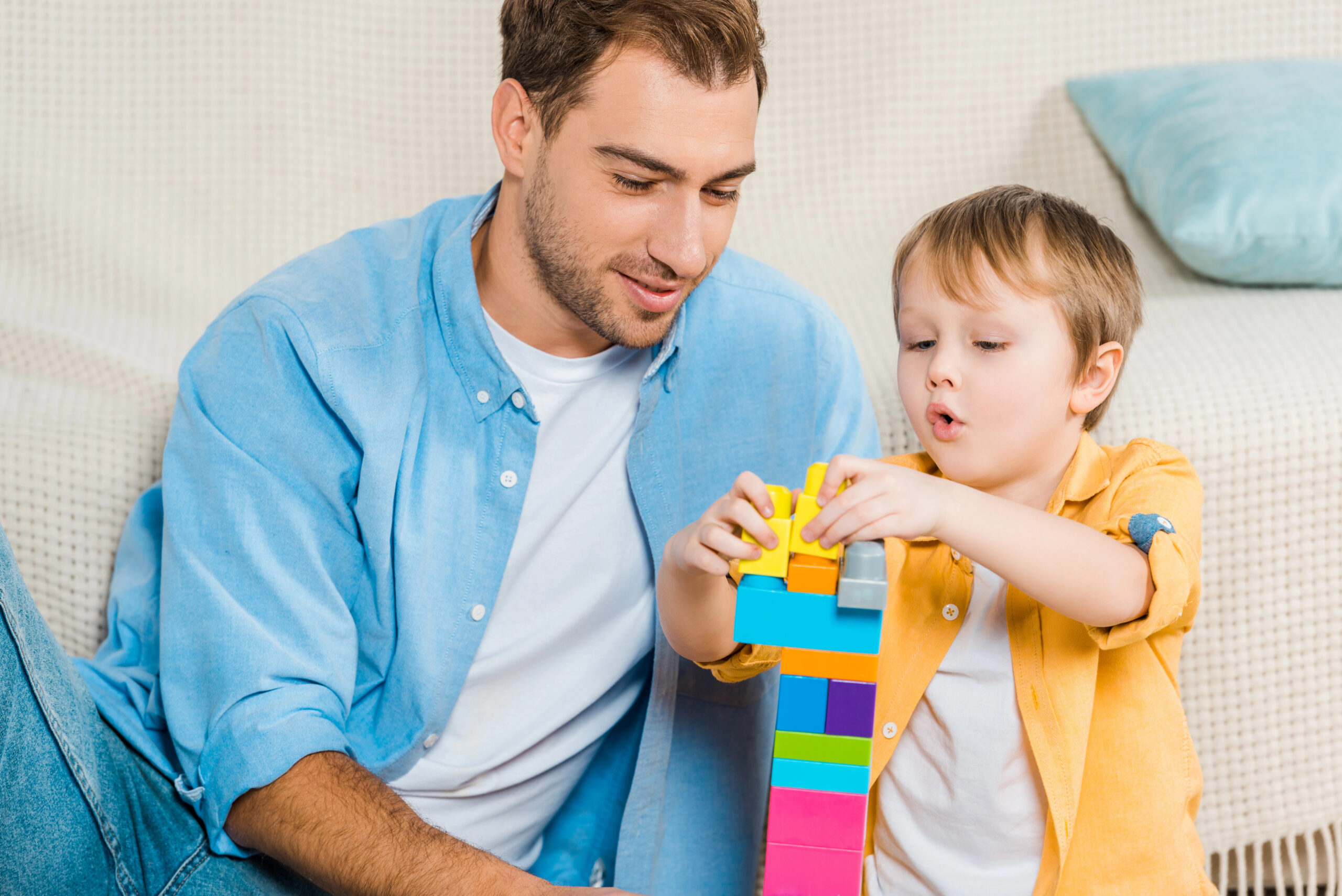
Whether they’re helping prepare dinner, reading a favorite story before bed, building with blocks, watering flowers, or counting the steps to the mailbox, children are learning through participation and conversation. The activity itself is only part of the experience. What matters most is the connection, encouragement, and curiosity that grow along the way.
Trust the Everyday Moments
Parents often feel pressure to provide constant enrichment or create picture-perfect learning experiences. In reality, childhood is filled with meaningful opportunities that happen naturally through family routines, shared experiences, and time spent together.
At The Gardner School, we see every day how children thrive when they are surrounded by caring relationships, encouraged to ask questions, and given opportunities to explore the world around them. Those same opportunities exist at home, too.
Your home doesn’t need to look like a classroom to support learning. It simply needs to be a place where children feel loved, included, encouraged, and free to discover something new every day, for all they will become.