As kindergarten gets closer, it’s natural to wonder whether your child is ready for the next step! Their ability to recognize letters and numbers is just one part of being ready for kindergarten. Expectations for children in kindergarten include learning with a group, following a routine, communicating what they need, and more.
As a parent of a preschool child in the Nashville area, a kindergarten readiness checklist can be a valuable starting point for a conversation with your child’s preschool teacher. Together, you can recognize areas of growth and decide what your child could practice next.
Questions to consider as kindergarten approaches:
- Can your child share an idea, ask for help, and listen during a short conversation?
- Are they learning to participate in a group and work through small disagreements?
- Can they manage parts of the school-day routine with less adult help?
- Do they show interest in books, numbers, patterns, drawing, and how things work?
- What does their preschool teacher notice that may be harder to see at home?
Look at How Your Child Communicates
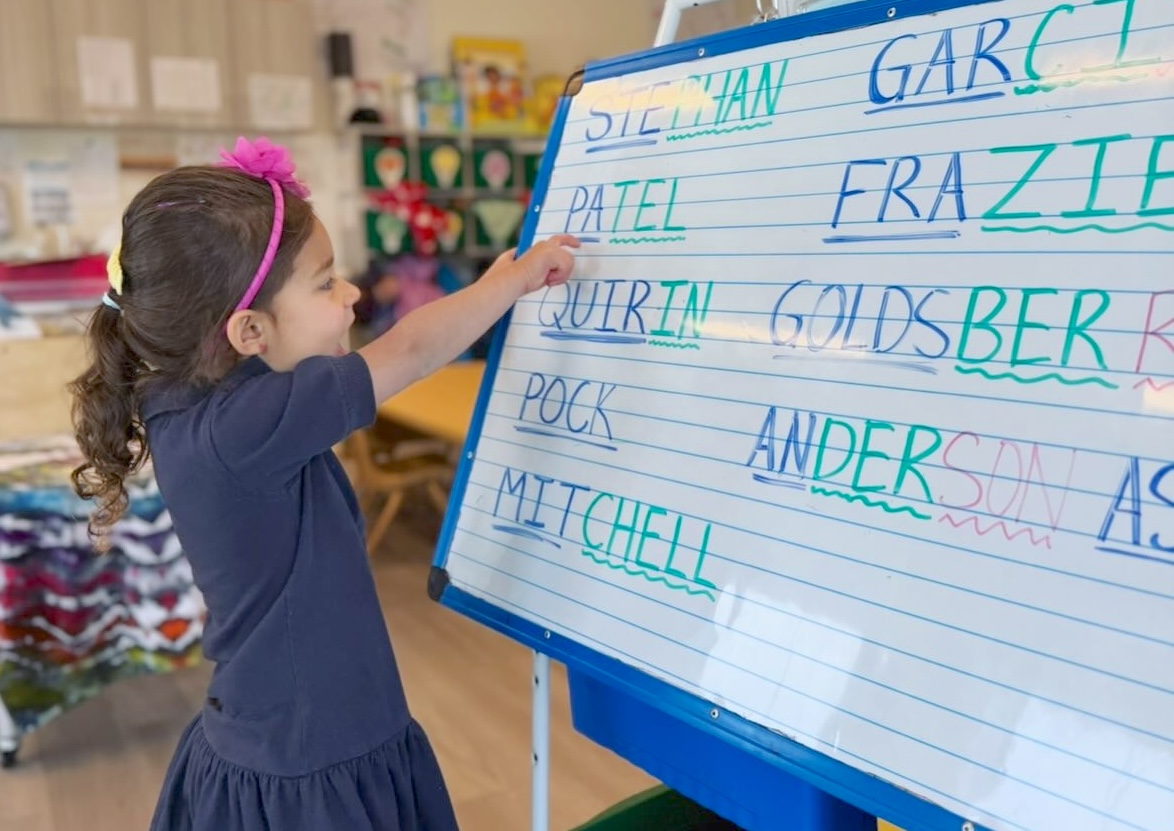
The typical kindergarten day in a classroom like The Gardner School includes a wide range of activities. Students will listen to stories and directions, explain what they’re thinking, ask questions, and tell an adult when they need help. Your child doesn’t need to feel comfortable in every situation. Start helping them to grow confidence by sharing ideas and taking part in back-and-forth conversations.
Reading together gives you an easy way to practice. Pause to ask what your child thinks may happen next or why a character made a choice. Let them tell the story from the pictures, even when their version is different from the words on the page.
“Communication skills are one of the most important areas of development for preschool-age children,” said Logan Myers, School Director of The Gardner School of Midtown – Nashville. “Effective communication in a preschooler is a strong sign of kindergarten readiness. I enjoy helping our students to build their communication skills every day.”
Notice What Happens in a Group
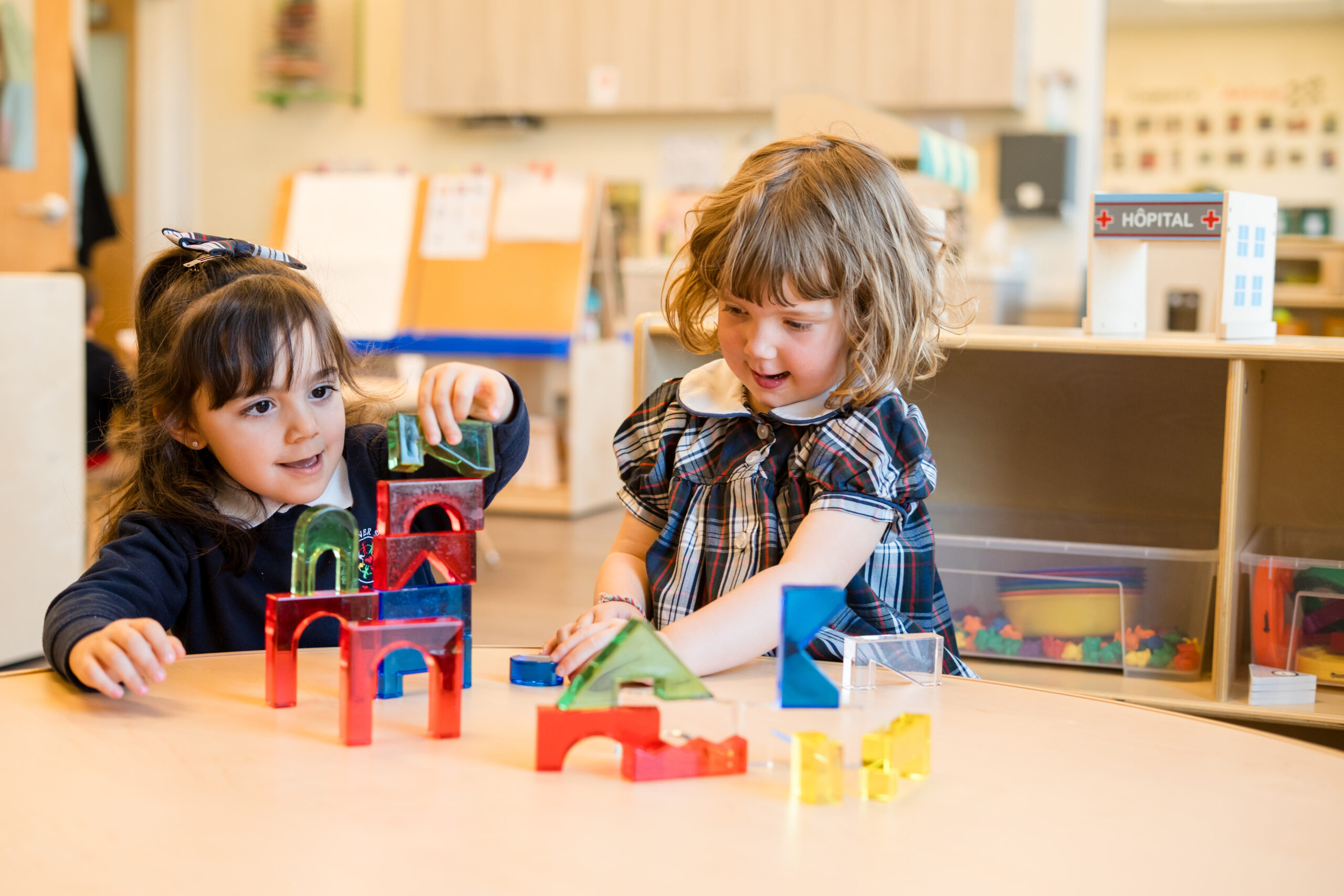
When your child is with other people and friends of a similar age, take notice of how they act in a group setting. Preschoolers practice waiting for a turn, joining an activity, listening while someone else speaks, and recovering when a game or plan doesn’t go their way.
These skills are still developing at kindergarten age. Is your child beginning to use words, accept guidance, and return to play after an accident or disappointing outcome? These signs can help you understand how your child is developing socially in a group setting.
Consider Independence During Familiar Routines
Think about your ordinary preschool morning routine. Can your preschooler get dressed, carry a backpack, wash their hands, manage their bathroom routine, and help to clean up by themselves? The ability to follow a routine independently is important for kindergarten students. Encourage your child to remember the routine and complete tasks without the need to remind them.
Give your child time to do manageable tasks before stepping in. A rushed morning isn’t always the best time to practice a zipper or shoe, so try it the evening before. Small responsibilities at home can make classroom routines feel more familiar.
Watch Your Child Work Through a Challenge
As your preschooler advances towards kindergarten age, allow them to take more time to work through challenging tasks before stepping in. This might include wrapping up the cord on a vacuum, completing a tricky puzzle, or making it across the monkey bars on the playground at Fannie Mae Dees Park. Let them ask for help, but encourage them to complete the challenge on their own.
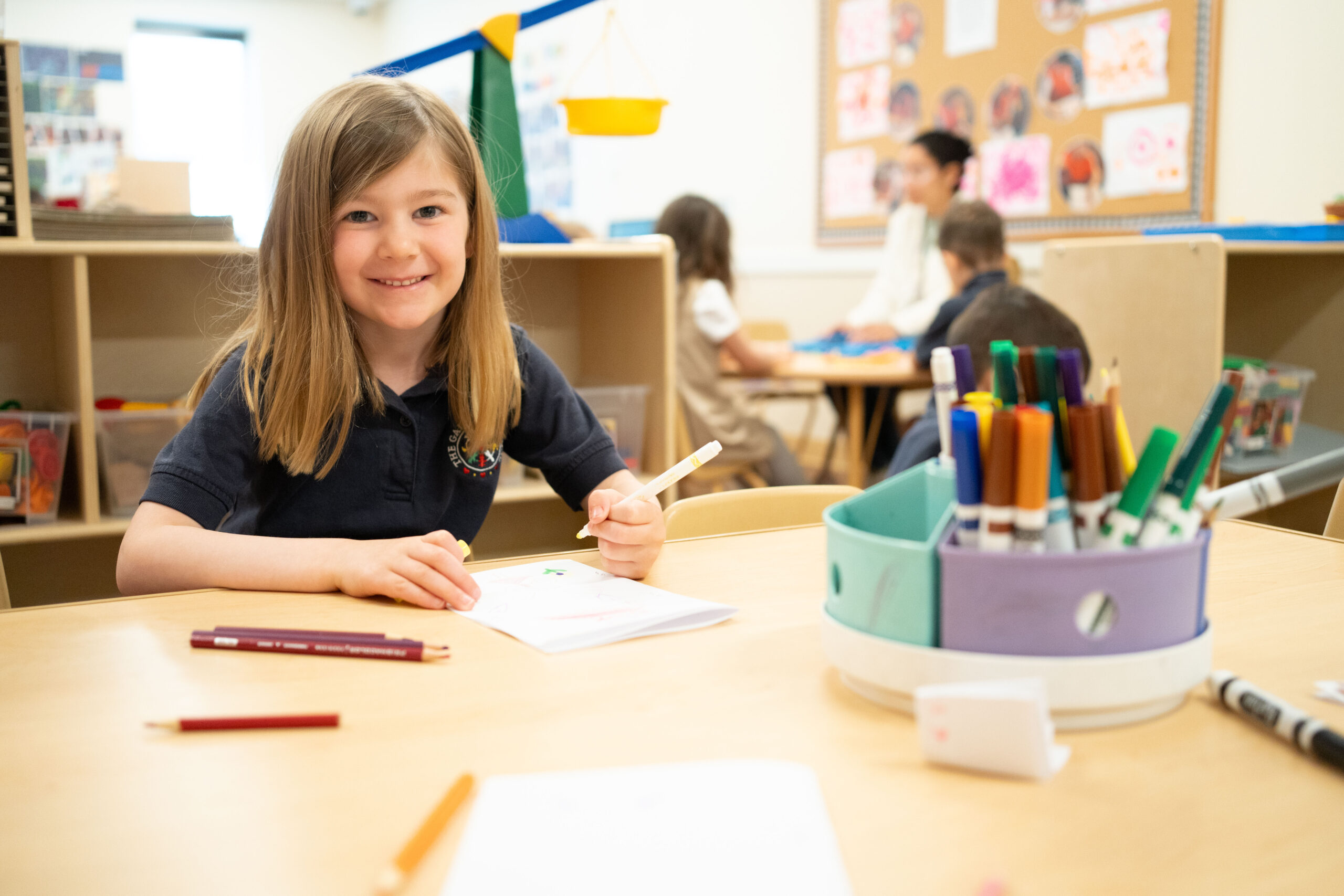
Fine-motor activities are a great way to practice challenges like this at home. An afternoon spent making a craft with your child is time well spent. Drawing, cutting with child-safe scissors, building with small blocks, and shaping dough all help children practice the hand control they’ll use for classroom projects. Focus on comfort and participation rather than perfect pencil grip or handwriting.
Ask Your Preschool Teacher Specific Questions
A general question such as “Is my child ready for kindergarten?” can be difficult to answer. Have a conversation with your child’s preschool teacher and consider asking more specific questions like these:
- When does my child participate most confidently?
- How do they respond to directions with two steps?
- What happens when they need help or feel frustrated?
- Which classroom routines do they manage independently?
- What is one skill we could support consistently at home?
Bring your own observations, too. A child may show different skills at home and at preschool. Comparing those perspectives gives you and the teacher a fuller view than a one-time kindergarten readiness assessment.
Practice Without Turning Home Into a Classroom
If you want more ideas for activities to prepare your child for kindergarten, Metro Nashville Public Schools offers kindergarten readiness resources for Nashville families, including learning activities and an activity calendar.
You can also explore these ways to help your child prepare for kindergarten. Choose one or two ideas that fit your family’s routine rather than trying to address every item at once.
Kindergarten Readiness at The Gardner School of Midtown – Nashville
At The Gardner School of Midtown – Nashville, Pre-K teachers tailor lessons to children’s needs while combining curriculum-based learning, child-directed activities, and structured play. Classroom roles and routines give children regular practice with responsibility, leadership, communication, and independence.