When families picture kindergarten readiness, it is easy to think about the skills we can see on paper: recognizing letters, counting numbers, writing a name, or knowing shapes and colors.
Those skills matter. Yet some of the most meaningful signs that a child is preparing for kindergarten show up in much smaller, everyday moments.
It is the confidence to walk into a classroom and join an activity. The words to tell a teacher, “I need help.” The growing ability to take turns with a friend, manage a backpack, recover from disappointment, or try something new.
For Andover families thinking ahead to the kindergarten transition, readiness is a whole-child story.
Kindergarten Readiness Is More Than Academics
Early literacy and math experiences create an important foundation for kindergarten. So do communication, independence, friendships, emotional growth, and curiosity.
NAEYC notes that school readiness includes development across physical, emotional, social, language, and cognitive areas. Children also continue developing skills such as problem-solving with peers, perspective-taking, stamina, and academic abilities throughout preschool and even kindergarten.
That broader view can make readiness feel a little more recognizable in daily life.
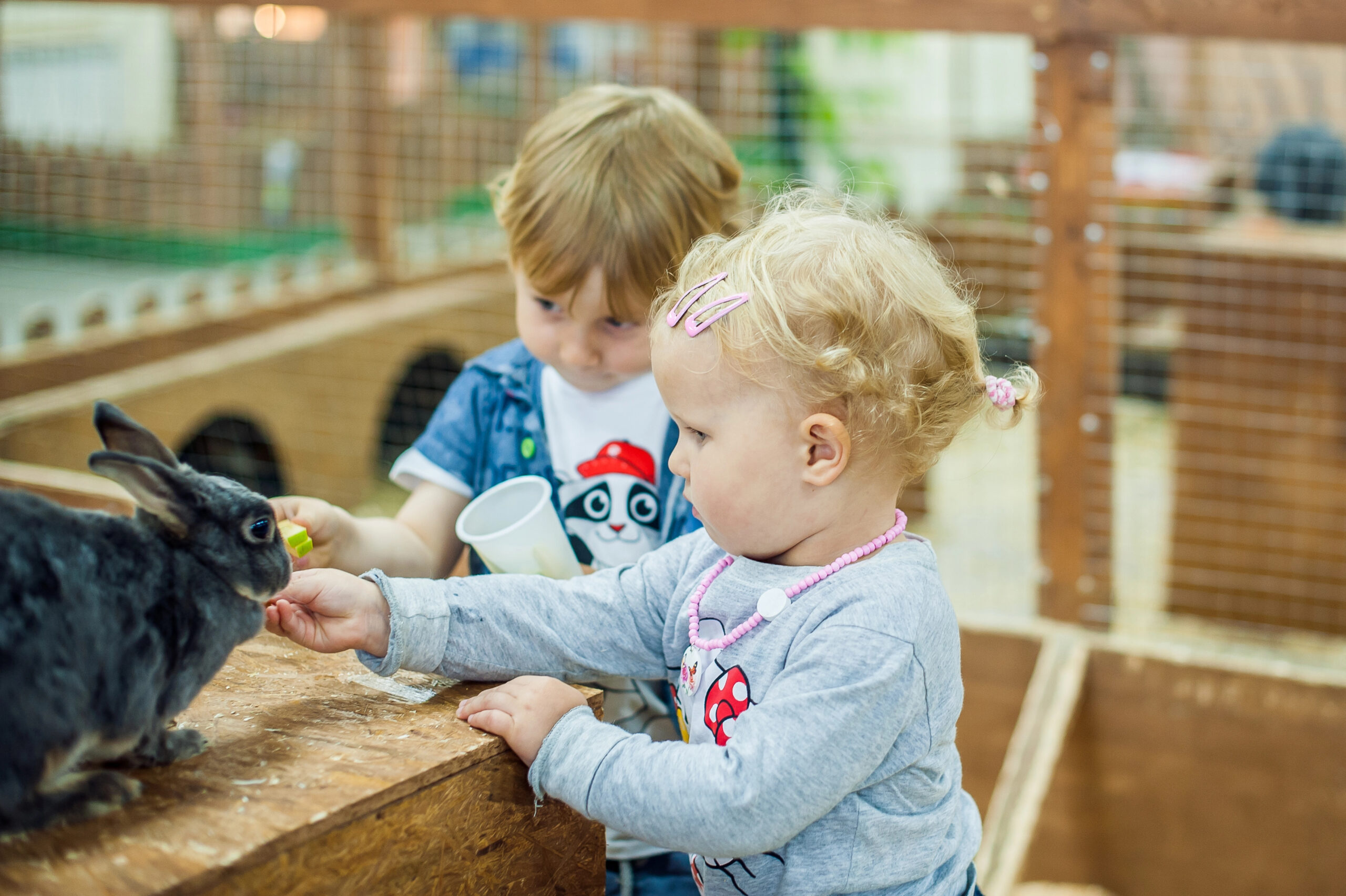
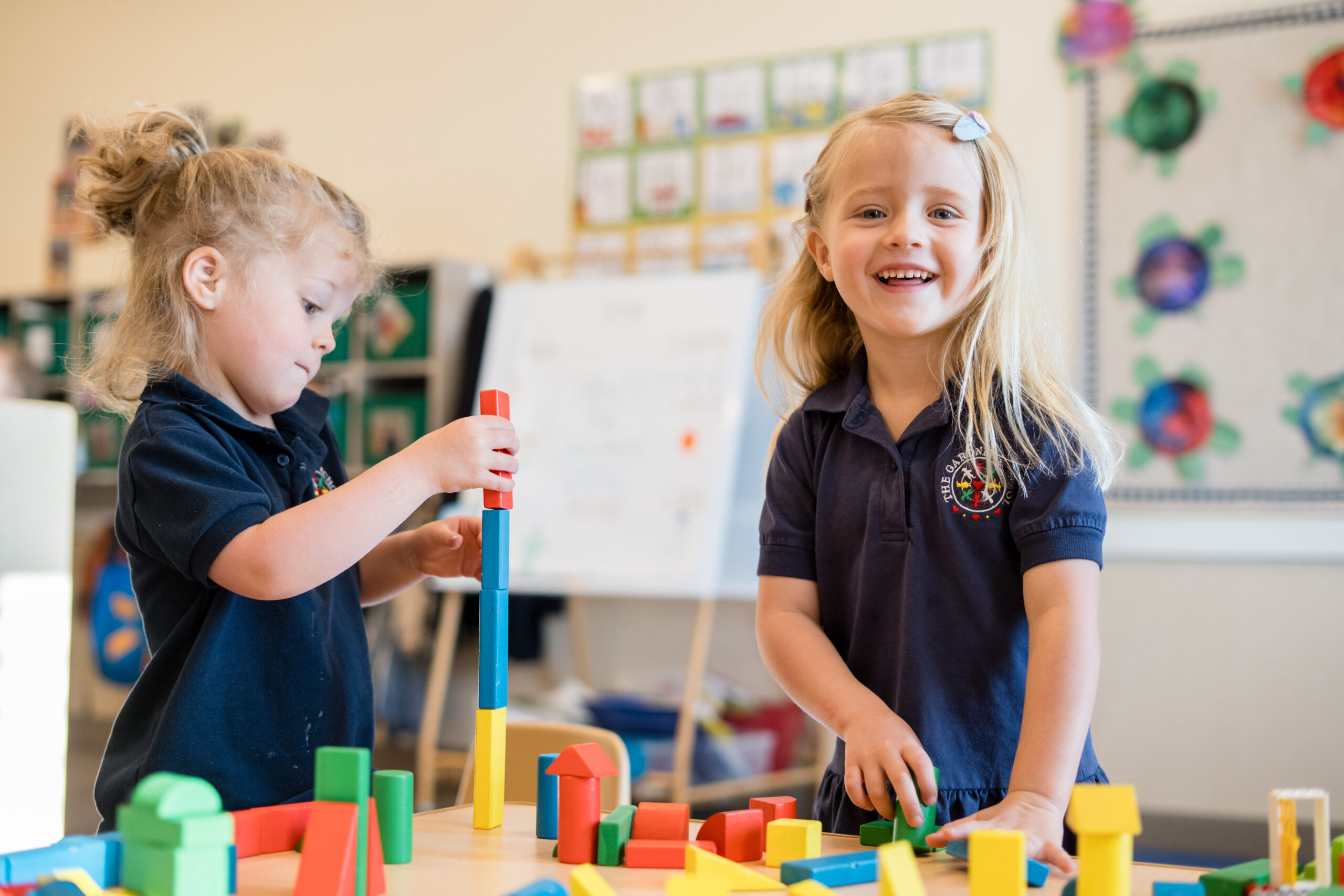
A preschooler who proudly puts away their own belongings is practicing independence. A child working through whose turn comes next is learning to navigate relationships. A child who feels frustrated by a challenging puzzle and returns to it later is developing persistence.
These moments may seem small. Together, they help children learn how to participate in a classroom community.
The Everyday Skills That Help Children Thrive
Kindergarten readiness can take many forms, and every child develops at their own pace. As preschoolers grow, families may notice emerging skills such as:
- Confidence: feeling comfortable exploring, asking questions, and trying unfamiliar experiences
- Communication: expressing needs, ideas, feelings, and questions to adults and peers
- Independence: managing age-appropriate routines and personal belongings with growing confidence
- Friendship skills: sharing space, taking turns, cooperating, and working through everyday disagreements
- Emotional growth: identifying feelings, accepting support, and beginning to regulate strong emotions
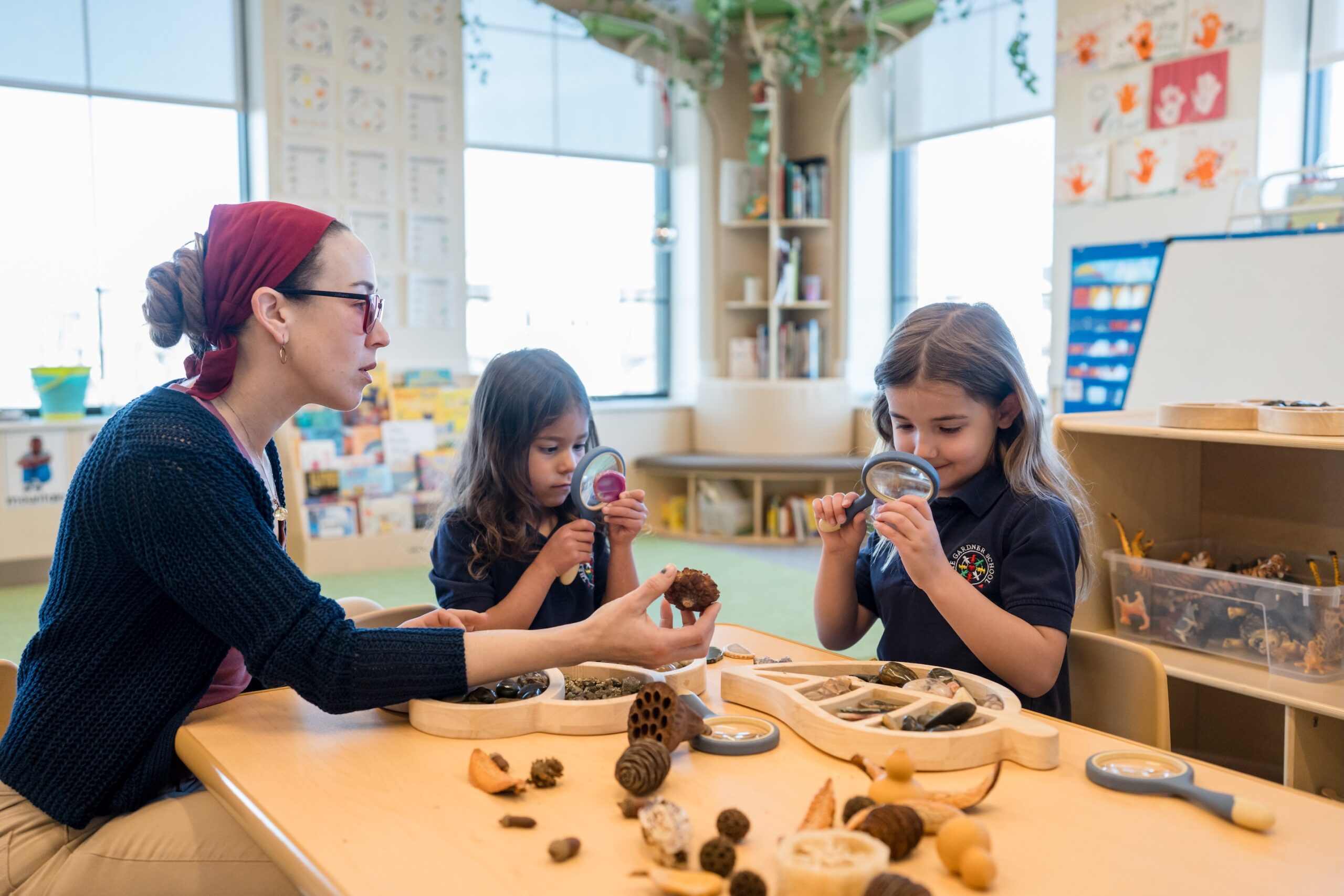
- Curiosity and persistence: staying engaged, wondering how things work, and returning to something that takes practice
One readiness skill families may not immediately think about is self-advocacy. Being able to tell a teacher that something is confusing, uncomfortable, or needed gives children another way to participate confidently in their school day. Social and emotional skills also support children’s ability to learn from teachers, form friendships, express themselves, and cope with frustration.
Growing Ready, One Day at a Time
At The Gardner School of Andover, kindergarten preparation is woven into the everyday preschool experience through a research-based curriculum, caring teachers, purposeful learning, and opportunities for children to grow socially, emotionally, and academically.
Because readiness is not one milestone or one checklist. It is built through hundreds of little experiences: speaking up, solving problems, making friends, discovering new ideas, and realizing, one day at a time, “I can do this.”
Those are the foundations children carry into kindergarten and into all they will become.
Explore The Gardner School of Andover and schedule a tour to see how our preschool community helps children build confidence, curiosity, connection, and kindergarten readiness.