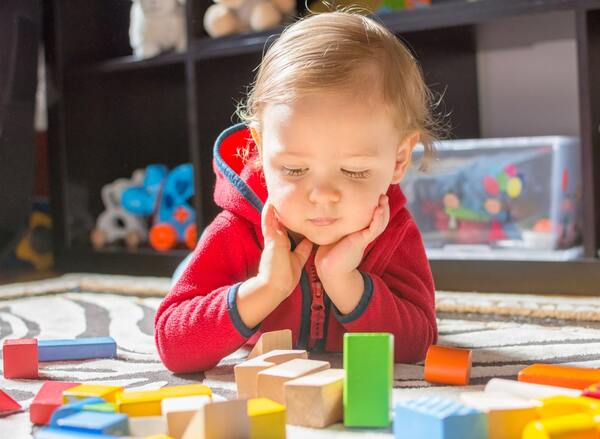
Holiday gatherings can be full of laughter, lights, and connection. For little ones, they can also bring new faces, louder sounds, and unfamiliar routines. Excitement and overwhelm often arrive together. When children experience both at once, big emotions are natural.
Understanding what your child’s senses and feelings are processing during this time can turn stress into learning and connection.
Why Holidays Feel Big for Little Ones
Young children thrive on predictability. During the holidays, their familiar patterns shift. Naps are delayed, schedules change, and new environments demand extra energy to process. According to Zero to Three, children’s brains are still learning to regulate input from multiple senses. Extra smells from cooking, flashing lights, or an unfamiliar voice greeting them can easily push a child’s comfort zone.
Their behavior is communication. A child who hides under a table, cries when a relative hugs them, or refuses new food is not being difficult. They are expressing that their sensory and emotional limits are full.
Helping Children Prepare for Gatherings
Preparation gives children confidence. Here are a few ways to support them before, during, and after big events.
- Talk About What to Expect. Describe the day ahead with simple details such as “There will be music, new people, and a big dinner. You can stay close to me if you want.” Children feel safer when they know what is coming.
- Look at Photos of People They Will See. Showing pictures or short videos of relatives or friends helps faces feel familiar before the event begins.
- Pack Comfort in a Bag. Bring a favorite book, stuffed animal, or soft blanket. Familiar textures help children self-soothe when things feel loud or new.
- Keep Small Pieces of Routine. Try to keep nap or snack times close to normal. A full tummy and some rest make transitions easier.
- Build in Quiet Corners. Find a calm spot such as a hallway, a car seat, or a small reading corner, where your child can take short breaks. A few minutes away from the crowd helps reset their senses.
- Offer Choices. Let your child decide small things, such as which shirt to wear or when to greet someone. Choices restore a sense of control and calm.
- Stay Present and Steady. When parents stay calm, children mirror that energy. A soft tone, gentle touch, or quiet smile reminds them they are safe.
After the Gathering
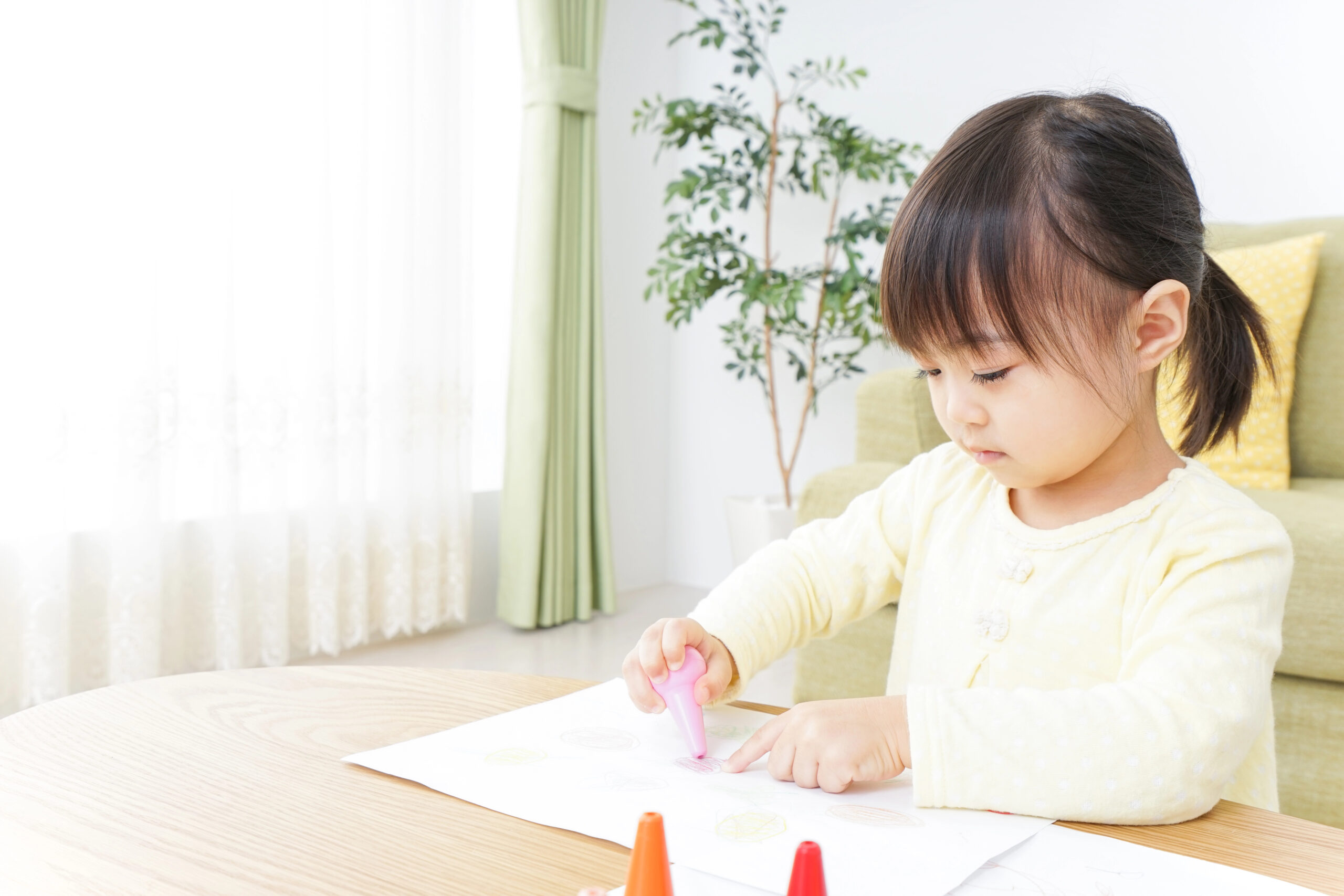
Once you return home, give your child time to decompress. Talk about what they enjoyed and what felt hard. Drawing pictures or looking through photos together can help them process the experience. These conversations build self-awareness and language around feelings, two powerful tools for emotional growth.
At The Gardner School, teachers understand that emotional learning and self-regulation are as important as academics. Classrooms include calm corners where children can look at family photos, breathe quietly, or talk about feelings with a trusted teacher. Daily routines help children feel secure, while small group activities teach empathy and confidence in social settings. Through consistency, care, and thoughtful design, our classrooms help children build the tools they need to navigate new experiences, during the holidays and throughout the year.