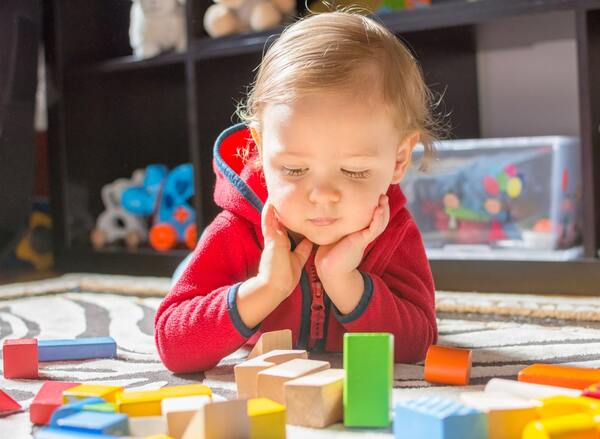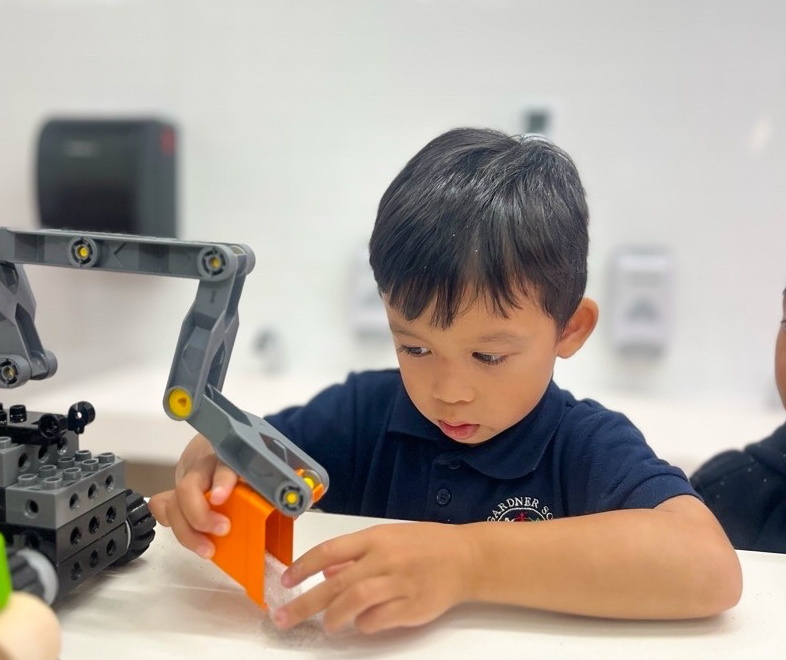
It’s rewarding to see children when they’re deep in discovery. A block tower wobbles but stays put, a puzzle takes careful thought, or a friend has a new idea for play. These moments of challenge open the door to creativity, persistence, and one of the most valuable skills of all: resilience.
Resilience shines through in the small victories of everyday problem-solving. When children adjust their strategy to steady a tower, try a different puzzle piece, or collaborate with a friend, they’re practicing patience and building confidence. Each attempt becomes a celebration of persistence, showing them that challenges are simply part of the adventure of learning.
Problem-Solving in Everyday Moments
In a preschool classroom, problem-solving happens constantly, though often in ways parents might not immediately see. A child figuring out how to share crayons learns negotiation. A group deciding which block to place next practices patience and teamwork. When a teacher guides a child to breathe deeply after a tough moment, that child experiences how to calm down and reset. These experiences slowly shape the ability to face challenges with persistence rather than defeat.
The Role of Independence
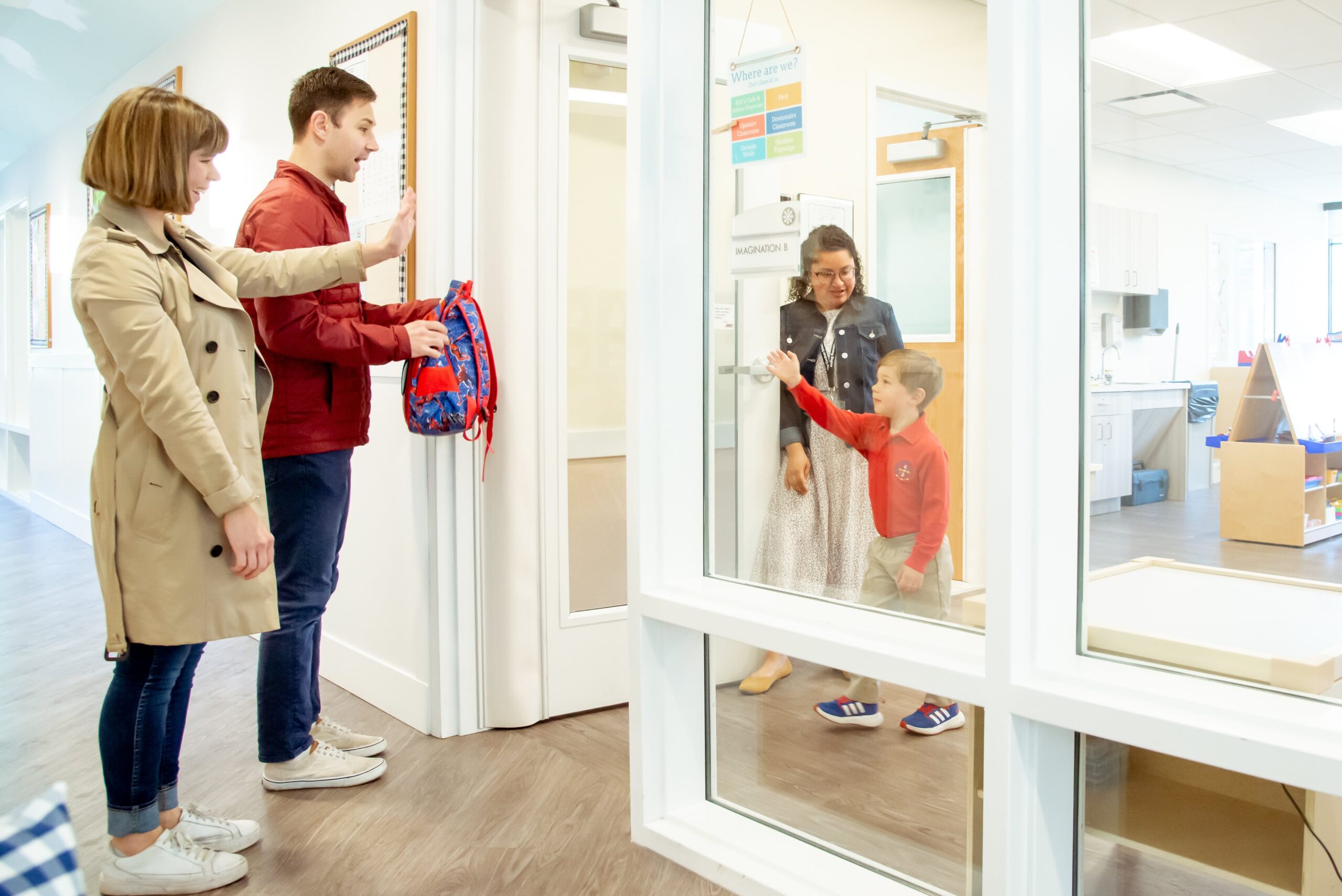
Resilience grows stronger when children feel capable of handling things on their own. Tasks like cleaning up after play, putting on a jacket, or helping a friend open a snack may seem small, but they carry powerful messages: “I can do hard things. I can help. I can keep trying.” According to the National Association for the Education of Young Children (NAEYC), this sense of independence nurtures confidence and fuels a child’s willingness to take on new challenges.
Building Emotional Strength
Preschool also offers children safe spaces to feel and express big emotions. With caring teachers nearby, children learn it’s okay to be upset and that there are ways to move through those feelings. Naming emotions, practicing patience, and learning empathy in group settings all build the emotional muscles that support resilience. These are the quiet but essential skills that help children bounce back, not just from spilled paint water, but from the many frustrations and obstacles that come with growing up.
How The Gardner School Supports This Growth
At The Gardner School, we believe resilience is nurtured through a balance of guidance and independence. Our teachers encourage children to try new approaches, praise persistence, and model calm responses to challenges. In our classrooms, problem-solving is celebrated, not rushed, because we know every setback is a chance to practice patience, creativity, and emotional strength.
Raising resilient children doesn’t happen in one moment — it grows through many small experiences of trial, error, and success. With support from both families and educators, children can step into the world with confidence, knowing they have the tools to keep trying and keep growing. Discover how our programs foster resilience and promote effective problem-solving.