Celebrating Earth Day on April 22 is the perfect opportunity to be intentional about helping young children to understand their responsibility to the planet. Introducing children to the natural world is so essential, especially at a young age. Preschoolers are just beginning to learn about nature, animals, plants, and other species that fill the world around them.
Early childhood is the perfect time to help kids formulate their ideas about the small steps they can take now to help protect our planet. Here are a few ways you can integrate conservation and stewardship into your child’s life.
1. Plant a Tree
A child’s appreciation for the planet should first start with understanding how the planet works. Planting a fast-growing tree, such as a maple or tulip tree. These types of trees may grow fast enough for young children to notice the slow growth year after year. Involve them in the process by having them pick up the sapling, help dig the hole, plant the tree, and cover it with mulch. This is also a great activity for Arbor Day on April 26.
2. Plant a Garden
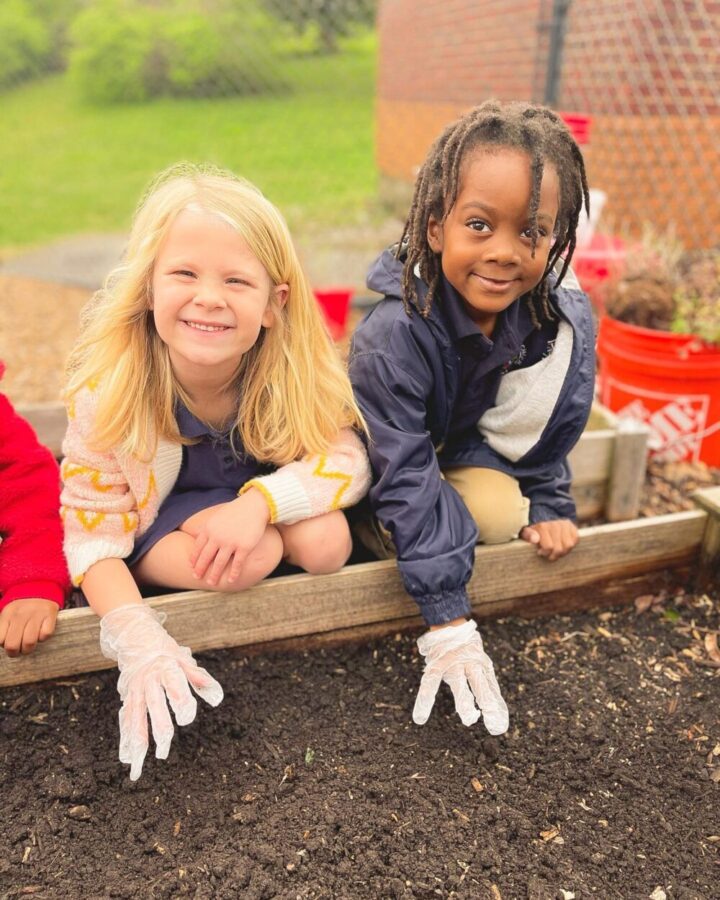
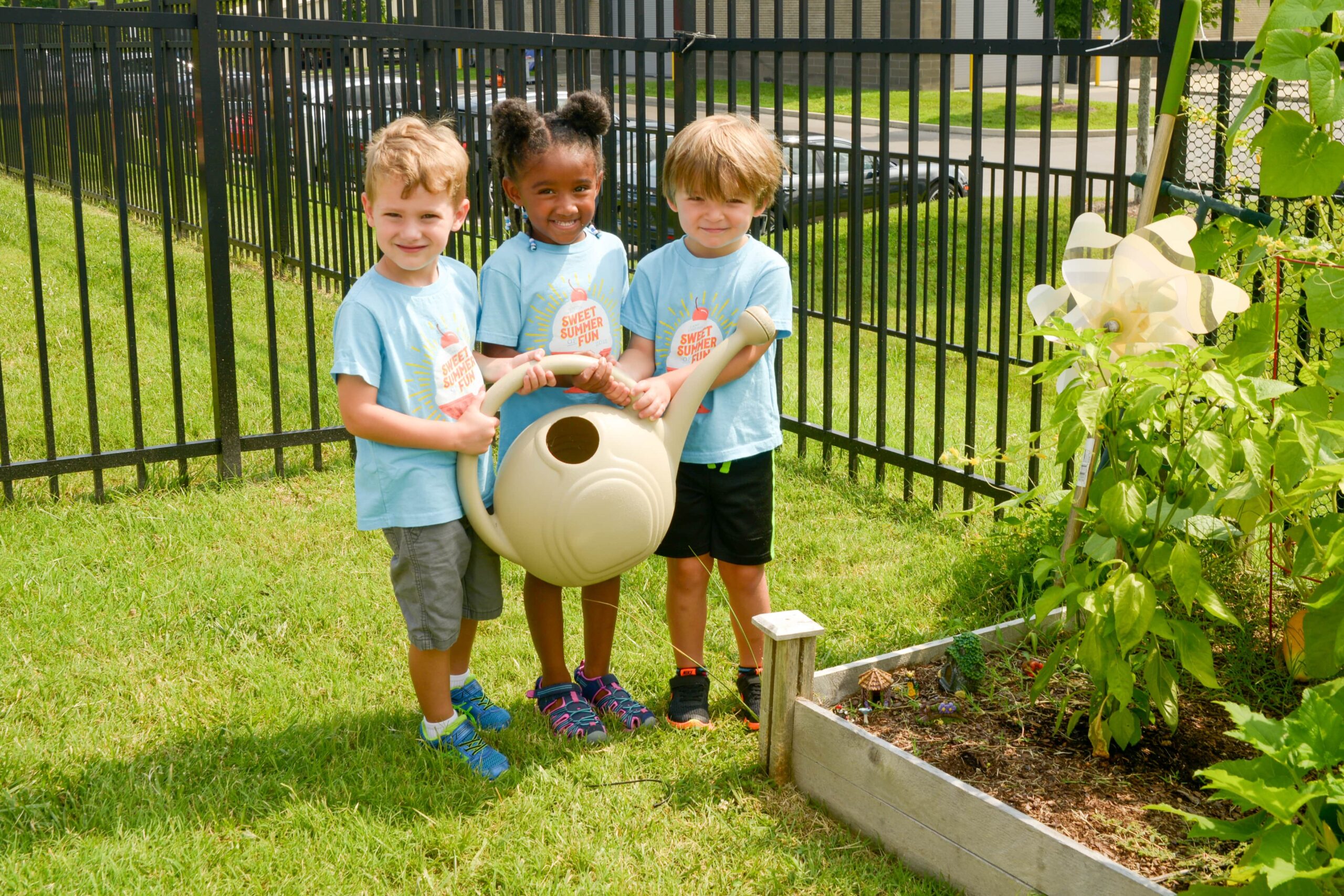
Since trees can be slow to show growth, planting a garden can provide speedier insight into natural cycles and growth patterns. It’s also a great way to help kids practice caring behaviors, such as weeding and watering. With a vegetable garden, children will begin to understand how plants and trees grow and flourish. They’ll also learn about the connection of the earth to food production and preparation. The pride children feel when contributing to a meal is palpable and helps instill self-confidence within them.
Even if your garden struggles, valuable lessons can be learned about drought, warm temperatures, pests, and fertilizers. A garden is also an excellent place to introduce the idea of a food map. If a rabbit or squirrel has raided the tomato plant, kids learn that animals need our earth to survive as well, so we must continue to cultivate and care for it.
3. Introduce Your Preschooler to the Three Rs of Conservation: Reduce, Reuse, and Recycle
Reducing
Instill habits that show respect for the earth by having preschoolers practice reducing their belongings to contribute to a healthier world. Each time they receive a new toy, have them collect two or three toys that have outgrown or are no longer interested in. Make a family trip to a local donation center or plan a visit with a someone with younger children who might have a need for toys. When children consciously practice reducing their belongings, explain to them that the earth has limited resources. By giving our belongings to others, we’re preventing the need for factories to make more. These small steps can make a big difference.
Reusing
Practice reusing with children by asking them use old bags. Encourage them to clean out glass bottles or jars to store small toys or trinkets. Challenge them to think of as many uses for household objects as they can. You could also introduce them to a game of Trash or Treasure. Gather old or used objects and see if kids can repurpose them into art. While they create, you can explain that even old or used items can be given new life. The Velveteen Rabbit is a great book to use as a supplement when explaining that even worn objects have great value.
Recycling
The process of recycling can be quite fun for little ones. Since preschoolers naturally love asking which things are not like the other, the process of sorting mixed recycling is a task they love being involved with. Put your preschooler in charge of identifying what waste can be recycled and put in separate bins. Laminate pictures of sample items and place them above clean plastic tubs. When you’ve collected a pile of recycling, let the youngest members of the household sort it into the tubs. Children can even decorate the containers to indicate what materials go where. Building personal responsibility and saving the world is a pretty important job, so don’t miss the opportunity to do so while children are young and eager to learn.
4. Make It a Habit to Visit Natural Spaces
No matter your location, making time to visit natural locations goes a long way in helping your child learn to appreciate the globe. Whether it’s a small park nearby or a short hike at a local national park, state park, conservancy, or reserve, immersing children in a natural landscape will increase their appreciation for the world around them. As you’re walking together, point out plant and animal species or natural landmarks. Explain that all sorts of plants and animals need a healthy planet to flourish. After all, a child who cherishes wild spaces is an adult who grows up to care for them.
Growing with The Gardner School
Introducing children to the concept of conservation at an early age helps them understand more about the world and their place in it. The Gardner School teaches good stewardship habits through academic enrichment and our school culture. Our recycling and gardening programs help our students take pride in the place they call home. Even more, The Gardner School has now gone green with plates and utensils in our Kids’ Café. Schedule a tour today to learn more about how we care for the earth by caring for our children.