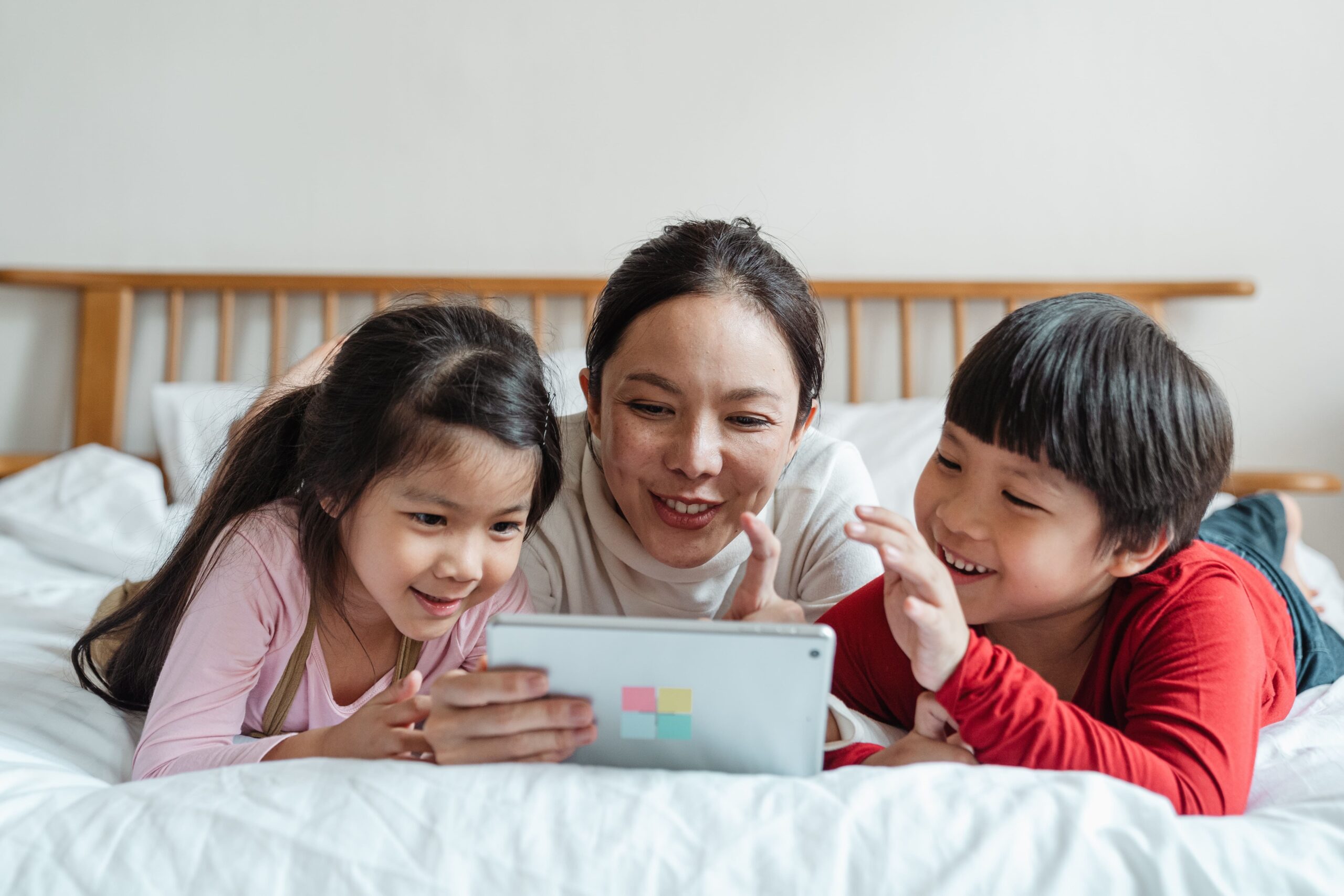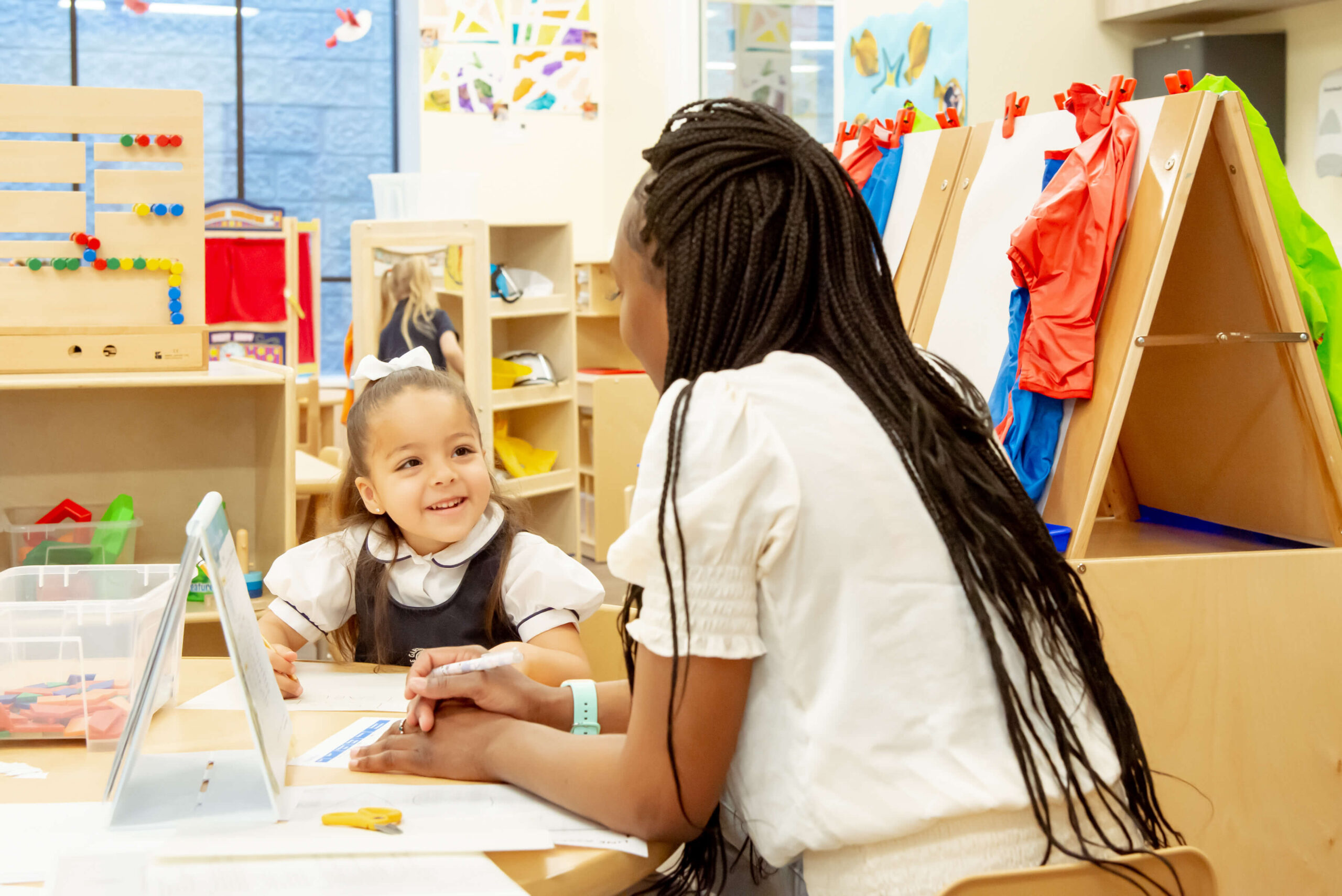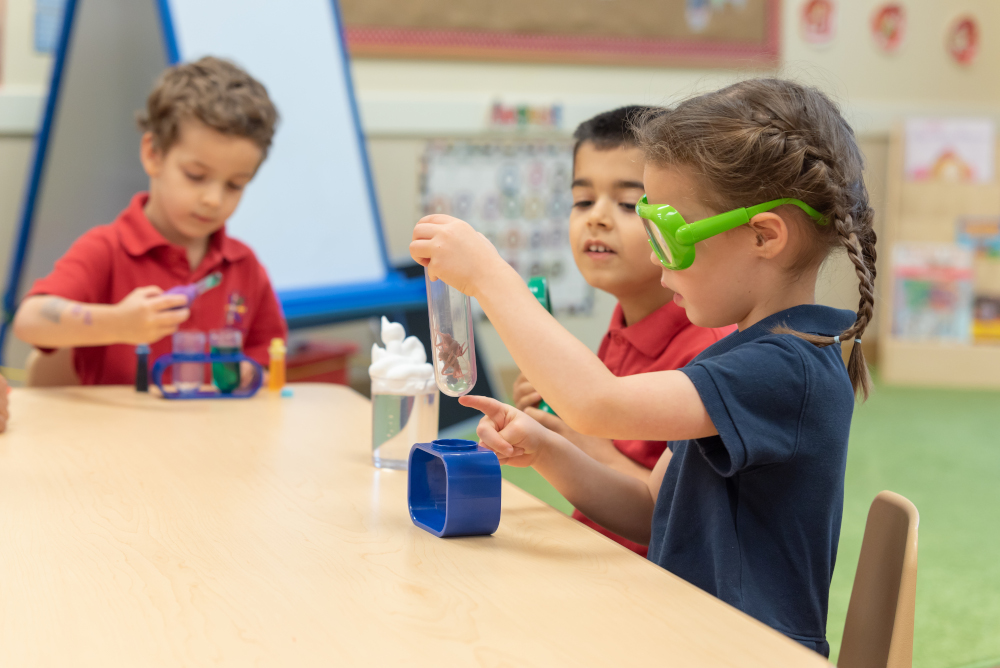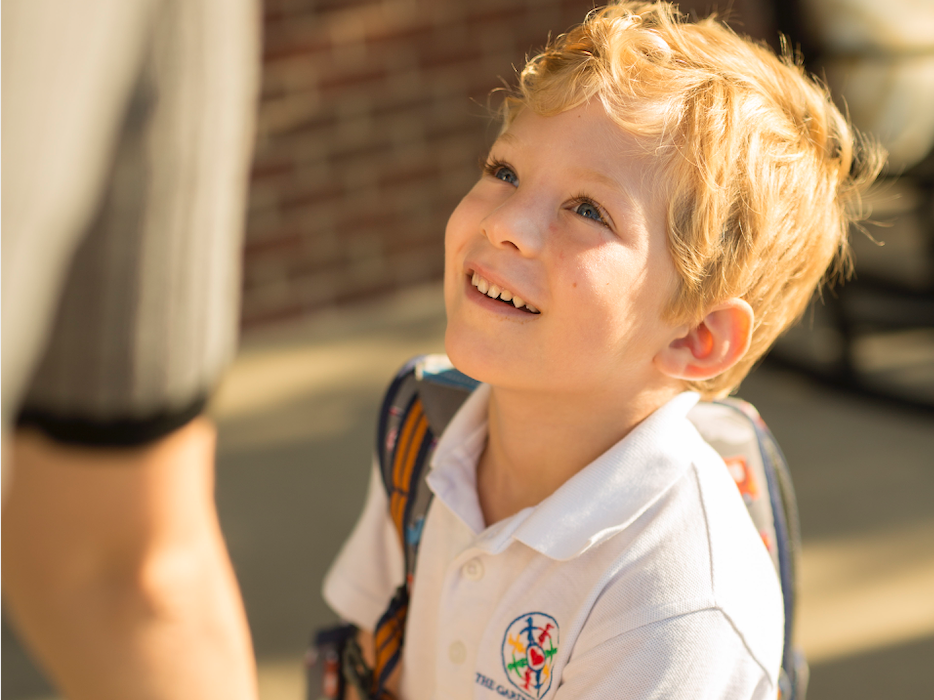
Back to school can mean a new adventure in the life of your child. While older kids return to classrooms, younger children may be entering a new environment for the first time. For kids beginning preschool, parents can provide a smooth transition for their child by implementing a few key practices. While both parents and children can sometimes feel unsure about transitioning into a preschool environment, a scaffolded process can make the experience a positive one for the entire family.
1. Introduce the Concept of Preschool Slowly
The first day of preschool shouldn’t be the first day your child sees their new daily environment. You can build excitement and anticipation by pointing out the preschool location any time you pass by. Prime your child’s eagerness by mentioning fun activities and privileges that occur at preschool, such as art classes, physical activities, games, or reading. To help them orient themselves physically, point out landmarks you may pass on the way to preschool. For example, saying, “Your school is right next to the grocery store” helps them understand where they’ll be in relation to the rest of their community. Find books that explore children going to preschool, or point out children walking to school. Remember, your child’s first impression of preschool comes from you. They’ll be excited if you are!
2. Visit the Location, if Possible
Many preschools hold “Meet the Teacher” or “Open House” nights to introduce parents and children to their staff, classroom, and other spaces in the school. It’s important to take advantage of this opportunity to habituate your child to their new location. Kids are reassured by familiarity. Knowing a friendly face or a familiar object in the classroom can help ease the transition. While you’re in the new space, use imaginative play to help kids begin picturing themselves in the location. “Here is where you can sit and read your favorite books!” or “Look, this is where art is created!” will serve a dual purpose of orienting children and helping them imagine themselves in the future. Asking questions is also a great way to help kids engage in positive visualization. Try asking your child, “When you’re here, which toys will you play with in this corner?” or “What kind of snack will you have when you sit at this table?” Point out memorable spaces or objects so that they feel familiar when you return.
3. Normalize the Transition and Model Resilience
Kids naturally imitate what they see, and that includes parental demeanor. Modeling positivity and affirming a child’s capability will help them internalize resilience. Many parents try to reassure children by anticipating and asking about their fears and anxieties. However, children may not be feeling anxious, and prematurely mentioning these feelings may color their perceptions of the transition. Instead, a mix of mirroring and modeling works best for child-parent communication. If your child is verbal, ask how he or she is feeling about going to preschool. Then, echo back positive feelings. You can also add reassurance if any of those feelings show hesitation or skepticism. You can mix empathy with encouragement by validating their concerns while focusing on their strengths. If children say they will miss you while you’re at work, try saying, “I’ll miss you while you’re at preschool, too, but I’m so excited for the adventures you will have,” or “Sometimes, it’s hard to try new things, but I know you’re ready for the challenge.” Whenever possible, model a positive, excited attitude about preschool. There’s so much to look forward to about this new stage in your child’s life, and you can share that excitement with your child.
4. Practice Caretaker Self-Care
The transition to preschool can also bring up a variety of feelings in parents. You may feel excited about your child’s new adventure, but you’re worried about how he or she will adjust. All these feelings are normal, and it’s important to make sure you’re caring for yourself as this new stage begins. Know that the first few days or weeks may bring up many emotions for your family. This is a great time to build in bonding and sharing rituals to help both parent and child feel connected before and after school. In the morning, ask your child what he or she is looking forward to about preschool that day, or sing a song together on the drive to school. After work, share stories and adventures during meal time. Before bed, make time for extra snuggles and storybooks, especially in the first month. Ritualized togetherness can help make reunions calming and reassuring for both parent and child.
Experience a Smoother Transition to Preschool with The Gardner School
The Gardner School has years of experience giving children a positive transition into the world of early childhood education. If you’re looking for a preschool that helps children grow academically while supporting them emotionally, schedule a tour to learn more. Our interactive curriculum, academic focus, and degreed and highly qualified teachers can keep kids engaged as they make their transition into a caring preschool environment. We’d love to tell you more about how we bring the best in education to our students.